






What Exactly Is a Solar Generator — And How Does It Work for Camping?
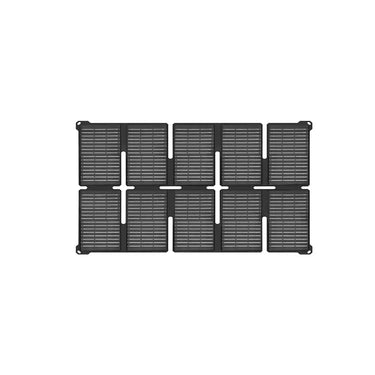
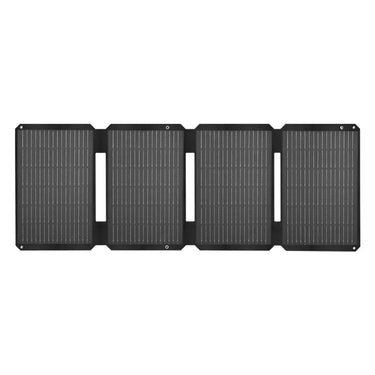
A solar generator combines three components: a rechargeable battery pack, a charge controller that regulates incoming solar power, and an inverter that converts stored DC energy into the AC power your devices use. Pair it with foldable portable solar panels, set those panels in the sun while you hike, and you come back to a charged battery ready for the night.
Two numbers define every unit on the market, and confusing them is the most common buying mistake:
Watts (W) — how much power the generator can deliver at once. A 300W unit can run a 300W load simultaneously — think a laptop, phone charger, and fan all at once.
Watt-hours (Wh) — the total energy stored. A 256Wh unit can deliver 30W for roughly 6.8 hours, or 100W for about 2 hours, before it needs recharging.
For camping specifically, battery chemistry also matters. LiFePO4 (lithium iron phosphate) cells carry no thermal runaway risk — important when your generator is sitting inside a tent vestibule or a closed RV on a hot afternoon. They also hold more charge cycles than standard lithium-ion, meaning the pack stays useful for years of trips rather than degrading after a few seasons.
How Much Power Do You Actually Need? A Scenario-Based Sizing Guide
This is where most buying guides fall short — they list specs without connecting them to real camping situations. Here's how to think through it by trip type.
Tent Camping: Light, Efficient, and Portable
Solo or couple tent camping has a surprisingly small power footprint. A typical load might be:
- Smartphone charging: ~10–18W
- Compact LED lantern: 5–10W
- Small portable fan: 15–30W
- Bluetooth speaker: 5–10W
- Camera battery charger: 10–20W
That's roughly 45–88W running concurrently. Using the runtime formula — Wh × 0.8 ÷ device watts — a 256Wh battery delivers approximately 2.3 to 4.5 hours of that full combined load, or a full night of just the fan and lights at lower draw.
For tent campers, the priority is portability over raw capacity. A compact 256Wh unit that fits under the passenger seat is genuinely more useful than a 1000Wh unit you leave in the trunk because it's too heavy to carry to the site.
RV and Car Camping: Multi-Device Comfort Over Multiple Days
Step up to an RV or car camping setup and the load profile changes significantly:
- 12V mini-fridge: 40–60W continuous
- CPAP machine: 30–60W
- Two laptops: 60–120W total
- Phone charging ×3: 30–45W
- LED interior lights: 10–20W
Running a fridge plus a CPAP and lights simultaneously puts you at roughly 130–160W continuous draw. At that load, a 1024Wh battery delivers approximately 5.1 hours of runtime — enough to cover a full night, and then the solar panels top it back up through the day.
The recharge speed matters as much as the capacity here. The GEYOTO N1000 (1024Wh, 1800W output) charges to 80% in approximately 43 minutes via AC — which means if you're leaving home Friday evening after work, you plug in for under an hour and leave with a full battery. No waiting overnight.
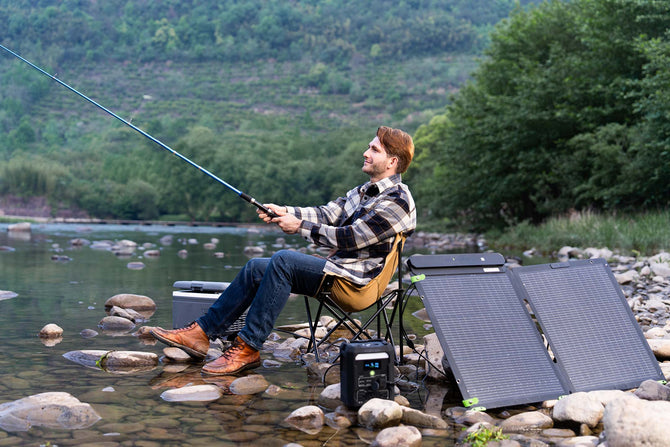
Weekend Group Trips, Tailgating, and Fishing
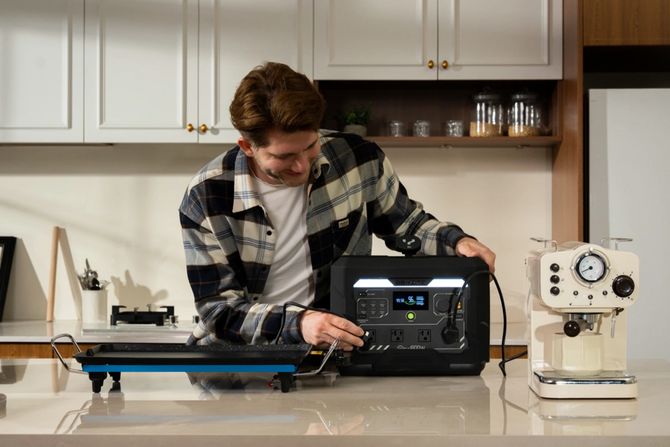
Group settings introduce higher-wattage devices: electric griddles, projectors, powered coolers, or trolling motors on a fishing kayak. Two things to check before buying:
- Continuous output wattage — the generator's sustained output must exceed your combined device load
- Surge/starting watts — motors and compressors draw 2–3× their running wattage for a split second at startup; your generator needs to handle that spike
For a weekend group trip, a 1024Wh unit with 1800W output covers most scenarios short of an electric grill drawing 1500W solo. Pair it with a 200W foldable solar panel and you're adding back usable charge through the afternoon.
What Should You Look for in a Portable Solar Generator for Camping?
Beyond capacity and output, these are the features that actually separate a good camping unit from one that disappoints after the first trip.
Portability and weight
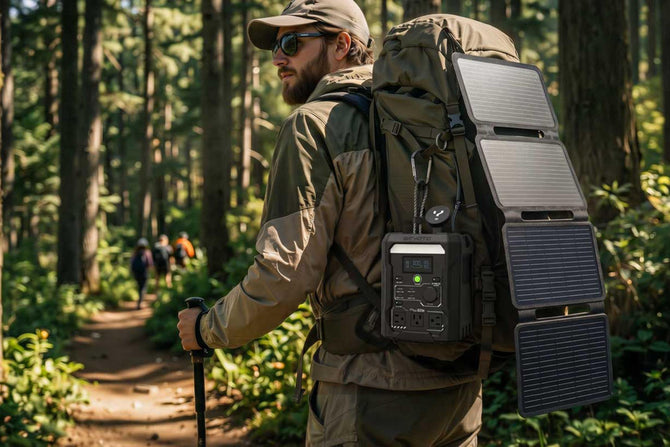
A unit you use every weekend beats a spec-sheet winner that stays in the garage. Match weight to how you'll transport it: backpackable trips need sub-10 lb; car camping can accommodate 20–30 lb.
Solar input ceiling
This determines how fast you recharge mid-trip using your panels. A higher maximum solar input (measured in watts) means fewer hours in the sun to recover the same amount of energy.
Port variety
Check that your specific gear matches the available outputs. USB-C Power Delivery for modern laptops, USB-A for older devices, standard AC outlets for appliances, and DC outputs for 12V car-style accessories all serve different gear. Arriving at a campsite and discovering a port mismatch is avoidable.
Noise output
Solar generators produce zero operational noise. That matters at national parks, dispersed camping areas, and anywhere within earshot of neighbors. Many campgrounds restrict or prohibit gas generators after certain hours; a solar unit has no such limitation.
Warranty and build quality
Look for multi-year coverage. GEYOTO backs its portable power stations with a 3–5 year warranty, which reflects real confidence in field durability.
How Do Portable Solar Panels Fit Into Your Camping Setup?
Real-world solar recharge math varies significantly by region and season:
US SOUTHWEST
5.5–7 hrs/day
Arizona, Nevada, Southern California
MOUNTAIN WEST & MIDWEST
4.5–5.5 hrs/day
PACIFIC NW & NORTHEAST
3–4.5 hrs/day
Running a 100W panel in the Southwest gives you roughly 550–700Wh of potential input per day — enough to fully recharge a 256Wh unit and partially recharge a 1024Wh unit. Stacking two panels doubles that math. If you're camping in lower-sun regions, sizing up your panel wattage compensates for shorter productive windows.
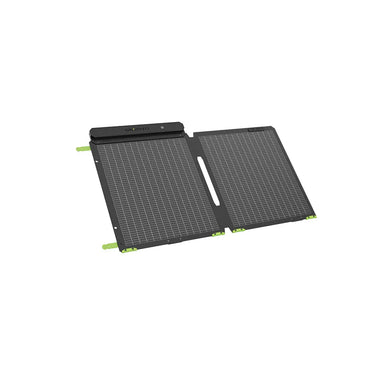
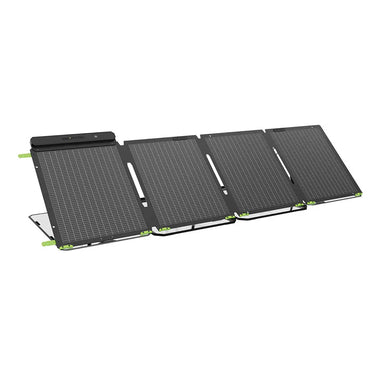
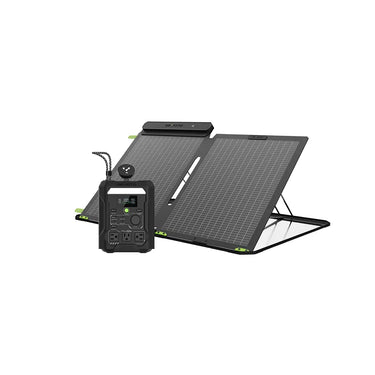
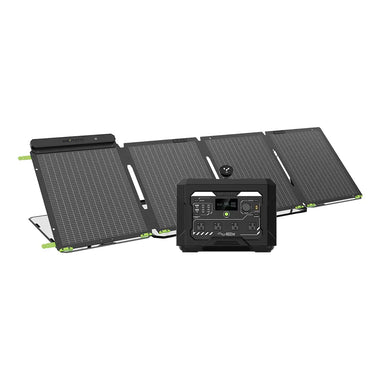
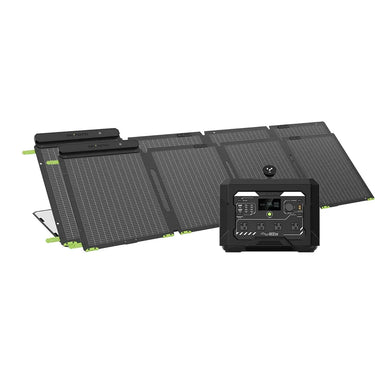
GEYOTO's S100 (100W bifacial) and S200 (200W bifacial) foldable panels are designed to pair directly with the N300 and N1000 stations, with compatible connectors and matched input specs — no adapter hunting.
Gas Generator vs. Solar Generator for Camping: Is the Switch Worth It?
This is the real question for campers who grew up with gas generators. Here's an honest comparison:
| Factor | Gas Generator | Solar Generator |
|---|---|---|
| Noise | 65–75 dB (loud) | 0 dB |
| Fumes | CO risk — never indoors | Safe in tents and RVs |
| Fuel | Must carry/buy gasoline | Sun recharges for free |
| Maintenance | Oil, filters, carburetors | None |
| Weight | Typically 40–70 lbs | 5–30 lbs depending on model |
| Cloudy days | Full power regardless | Reduced recharge rate |
| High continuous load | Can run for days | Limited by battery capacity |
The honest caveat: if you're running a construction site off-grid for two weeks with power tools all day, a gas generator still has an energy density advantage. But for 1–4 day camping trips — which describes the vast majority of American weekend campers — a solar generator is quieter, lighter, cleaner, and operationally simpler.
5 Common Mistakes Campers Make When Buying a Solar Generator
1
Buying by watts, ignoring watt-hours.
Output watts tell you what the generator can power at once. Watt-hours tell you how long. A high-wattage unit with a small battery drains fast.
2
Forgetting surge wattage.
A mini-fridge compressor starting up draws roughly double its running wattage for a fraction of a second. Check the peak/surge output rating, not just continuous output.
3
Not accounting for real sun hours at your destination.
A panel rated at 100W produces 100W under ideal lab conditions. At a shaded forest site in Oregon in October, expect considerably less. Size your panel input to your actual location.
4
Choosing the wrong weight class for the trip.
A 30 lb unit is fine if it stays in the RV. It's a burden if you're carrying it 200 yards to a tent site. Match the unit to how it travels, not just how it performs.
5
Ignoring port compatibility before the trip.
Modern laptops often need USB-C PD. Older gear uses USB-A. Appliances need AC. Confirm your generator's port mix matches your actual device list before you leave home.
Which GEYOTO Solar Generator Fits Your Trip?
Rather than a generic recommendation, here's how the two core models map to real camping scenarios:

TENT CAMPING · SOLO TRAVEL · FISHING
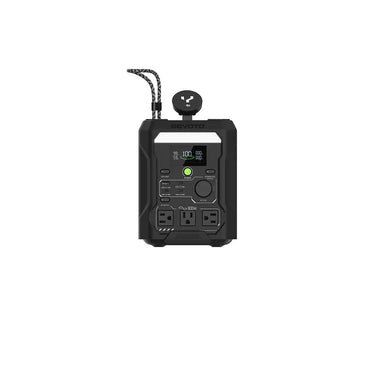
GEYOTO N300
256Wh · 300W Output · Compact & Lightweight
Covers a full night of phone charging, a fan, lights, and a speaker — compact enough to fit under a passenger seat. Pair with the S100 foldable panel for a complete off-grid setup.
Learn More
RV · CAR CAMPING · GROUP TRIPS
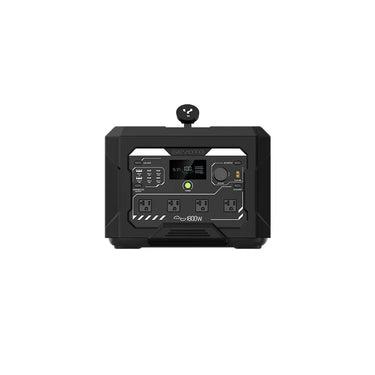
GEYOTO N1000
1024Wh · 1800W Output · Charges to 80% in ~43 min
Handles a fridge, CPAP, and multiple devices simultaneously. The 43-minute AC charge means you leave home fully prepared — even on a Friday-evening departure. Pairs with the S200 bifacial panel.
Learn MoreGEYOTO portable power stations include a 3-year standard warranty, with an additional 2-year extended warranty available after registration. GEYOTO portable solar panels include a 1-year standard warranty, with an additional 2-year extended warranty available after registration. Free shipping is available within the US. See the full outdoor lineup at GEYOTO.
The Right Size Makes All the Difference
A solar generator doesn't make camping more complicated — it makes it quieter, cleaner, and more self-sufficient. The key is matching capacity to your actual scenario rather than defaulting to the biggest number you can afford or the smallest unit that fits your bag. Run the math on your devices, check the sun hours at your destination, and pick the unit that solves your specific trip — not someone else's.
Off-grid power has moved well past the noisy gas generator era — and most weekend campers won't miss the fuel smell, the noise, or the pre-trip run to the gas station. A solar setup asks very little of you: point the panels at the sky, let the battery do its job, and focus on the trip itself. Pick the right size for how you actually camp, and it'll quietly become the piece of gear you never leave home without.


