





Car camping in a national forest, backpacking for a weekend, or setting up a quiet base camp outdoors — whatever your camping style, one question always comes up: how do you keep your devices powered without hauling a noisy fuel generator?
For many campers, the answer is a small solar generator for camping. A compact power station can charge phones, lights, cameras, laptops, small fans, and other essential gear without engine noise, fuel, or exhaust. But not every portable power station is built for real camping use.
This guide explains what makes a lightweight power station camping-ready, what size battery you may need, and why a 256Wh / 300W portable power station can be a practical choice for light camping, travel, and short outdoor trips.
What Actually Makes a Power Station Camping-Ready?
The term “camping power station” gets applied to everything from pocket-sized battery banks to large backup systems that weigh more than 40 pounds. For real campsite use, a compact power station needs to meet a few practical requirements: it should be easy to carry, quiet, safe to use around camp, compatible with solar charging, and powerful enough for the devices you actually bring.
1. Weight and Portability: The First Filter
If a power station is too heavy to move easily from your vehicle to your tent, picnic table, or campsite, it may end up staying in the trunk. For weekend camping, road trips, and light outdoor use, the 256Wh / 300W class is a practical size range.
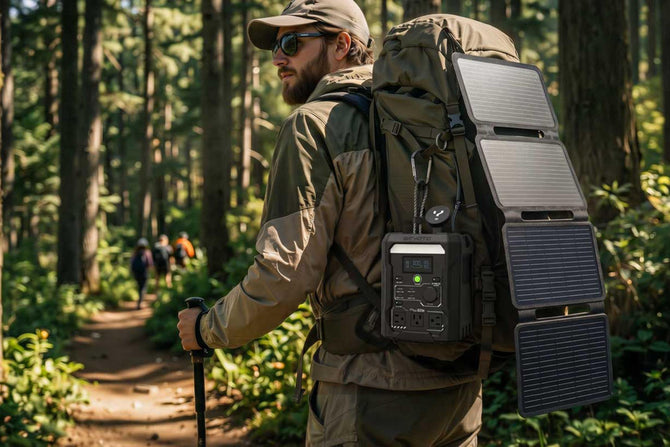
A lightweight unit is especially useful for campers who need to power essential electronics on the go.
✓ Smartphones
✓ Cameras and drone batteries
✓ LED camping lights
✓ Small fans
✓ Tablets
✓ Laptops
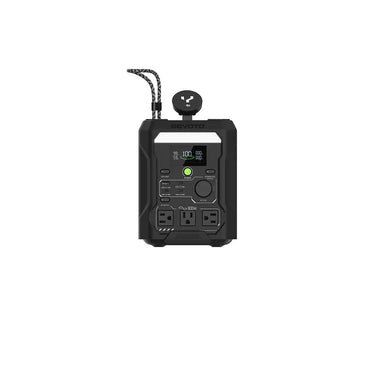
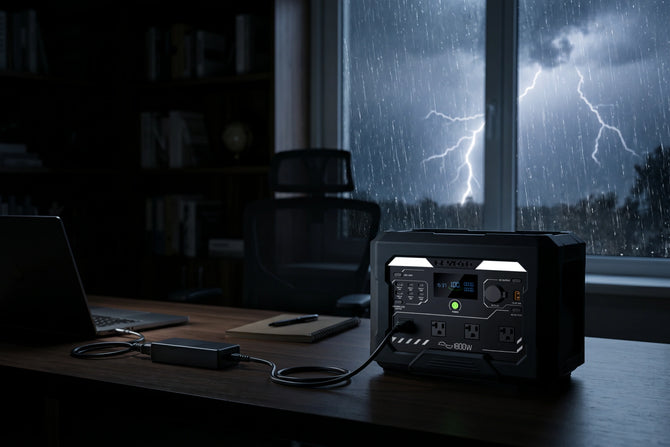
The GEYOTO 256Wh / 300W Portable Power Station fits this lightweight category. At 7.72 lbs, it is designed for users who want portable power for camping, travel, and daily backup without carrying a large home backup unit.
2. Noise Level: Choose No Engine Noise
Noise matters at campsites. Many campers want to enjoy quiet mornings, sleep comfortably at night, and avoid disturbing nearby tents or RVs.
Unlike gasoline generators, a battery-based portable power station has no fuel engine. That means no engine noise and no exhaust. Under heavier loads, a power station may still produce some fan noise, but it is generally much quieter than a fuel generator.
3. Port Selection: Cover the Devices You Actually Use
● AC outlet for laptops & appliances
● USB-C port for modern phones
● USB-A ports for flashlights
● 12V DC output for car gear
4. Solar Charging: The Feature That Makes It a Solar Generator
A power station stores energy. A solar generator adds the ability to recover energy from sunlight when paired with a compatible solar panel. For camping, this is useful because you may not have access to wall outlets for several days.
Weekend camping
Road trips
Dispersed camping
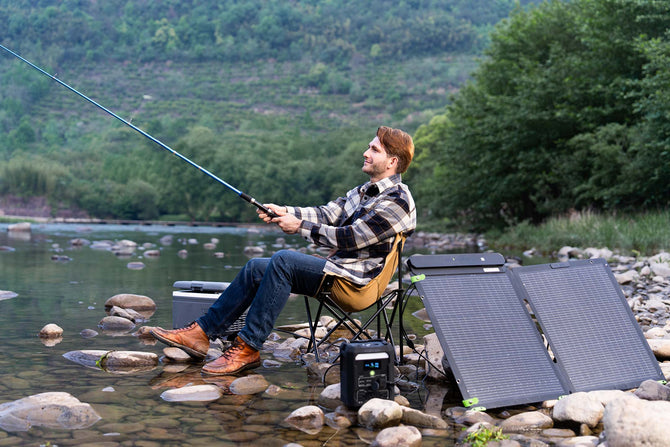
Fishing trips
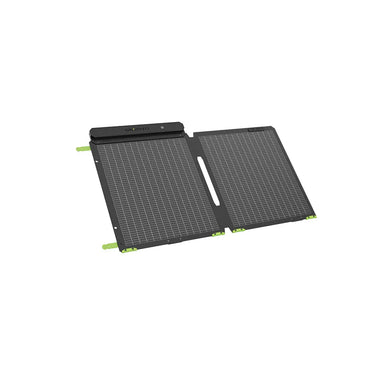
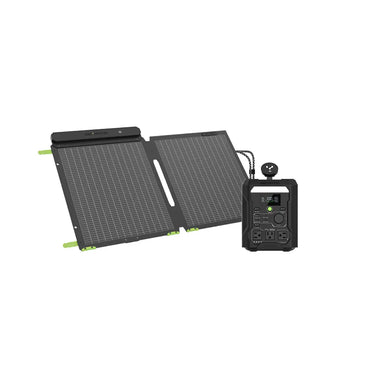
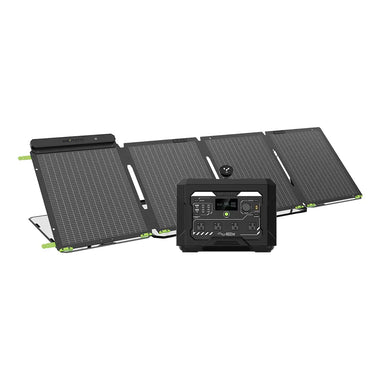
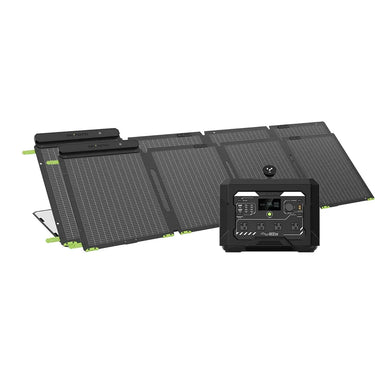
The GEYOTO N300 Solar Generator Kit pairs a 256Wh power station with a 100W solar panel, making it a better option for campers who want both portable battery storage and solar recharging capability.
5. Safety Around Tents and Campsites
Safety is one of the biggest reasons campers choose battery-based portable power stations over fuel generators. Gasoline generators produce carbon monoxide and should never be used inside tents, vehicles, or campers. Battery-based stations do not burn fuel, so they do not produce exhaust.
What Devices Can the GEYOTO 256Wh / 300W Power Station Run?
The GEYOTO 256Wh / 300W Portable Power Station is built for small electronics, short trips, and light backup use. It keeps essential camping and travel devices powered, including smartphones, laptops, cameras, drones, LED lights, and Wi-Fi routers.
| Device | GEYOTO N300 Runtime Info | Best-Fit Scenario |
|---|---|---|
| Smartphone | 15–20 charges | Camping, travel, daily backup |
| Laptop | 3–5 charges; 60W runs ~3–4 hrs | Camping, travel, remote work |
| Camera/Drone | Multiple full charges | Outdoor shooting/filming |
| LED light | Supported for long periods | Campsite lighting |
A Practical Buying Checklist
✔ Is it light enough to carry comfortably?
✔ Does it use LiFePO4 battery chemistry?
✔ Does the rated output match your devices?
✔ Can it charge from wall, car, and solar?
✔ Is it quiet enough for campgrounds?
✔ Does it have enough capacity for your trip?
Final Thought
The best small solar generator for camping is not always the largest or most expensive option. It is the one that fits your actual camping style.
For light camping, weekend trips, travel, outdoor photography, and basic backup power, a compact 256Wh / 300W power station offers a practical balance of portability, quiet operation, safety, and useful capacity.


