







When a Power Bank Covers Everything You Need
For a significant number of use cases, a power bank genuinely is enough — and buying a full battery portable power station would be over-engineering the solution.
If your charging needs look like this, a power bank handles them well:
- Keeping a smartphone topped up through a long travel day
- Charging wireless earbuds, a smartwatch, or a small Bluetooth speaker
- Running a USB-C laptop through a few hours of work away from an outlet
- Topping up a tablet or e-reader on a weekend trip
Power banks excel here because they're light, fit in a bag pocket, and don't require any setup. For USB-only devices with modest power draws, the portability trade-off of a larger station isn't worth it.
The Shift Happens When You Need an Actual Plug
The moment a device requires a wall outlet, a power bank stops being an option. USB-C adapters exist for some appliances, but most devices with AC-only plugs don't have an alternative charging path.
Home Backup
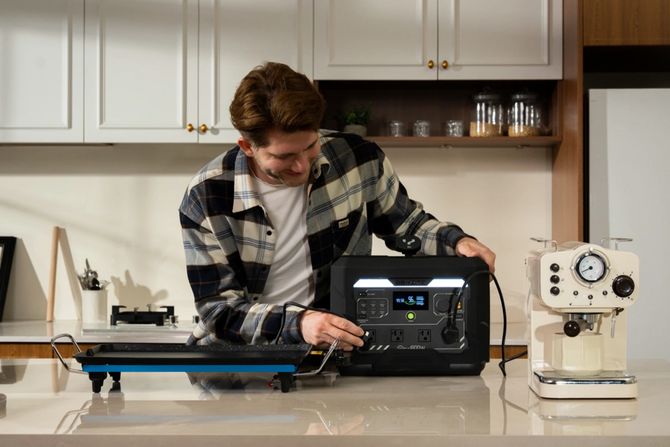
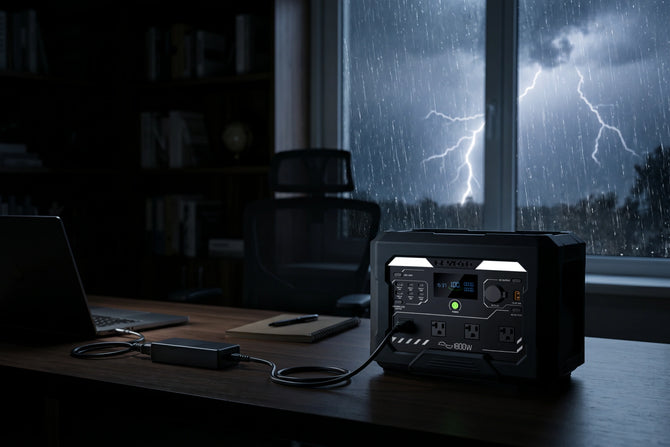
A router, a lamp, a small refrigerator, or a fan running during a power outage all require standard AC plugs. No power bank handles these.
Medical Devices
CPAP machines, nebulizers, and similar equipment typically require AC power and, in many cases, pure sine wave output specifically to run safely. Modified sine wave can interfere with sensitive electronics.
Outdoor & Tools
An electric kettle, a mini blender, a power drill, or a heat gun all need AC. If you're car camping with more than basic gear, USB output isn't enough.
Remote Work
A monitor, a desk lamp with a standard plug, or external hard drives with AC adapters don't run off USB alone.
"Power Bank With AC Outlet" — What to Actually Check
The category marketed as a portable power bank with AC plug or portable power bank with AC outlet sits between consumer power banks and full power stations. They solve the AC gap, but not all of them solve it equally. Before buying, three things are worth verifying:
Output Wattage
A 150W AC outlet won't run a coffee maker or a small heater. Match the unit's continuous wattage to the highest-draw device you plan to use. Running near the rated ceiling constantly puts stress on the unit.
Pure vs. Modified Sine Wave
Pure sine wave is safe for sensitive electronics, motors, and medical gear. Modified sine wave is cheaper to produce but can degrade certain appliances — fine for a light bulb, problematic for anything with a motor or microprocessor.
Surge Capacity
Motor-driven appliances draw significantly more power at startup. A unit without enough surge headroom will trip even if the continuous draw is within spec.
Where GEYOTO's Lineup Fits This Decision
GEYOTO's two current portable power stations address the most common points in this decision.
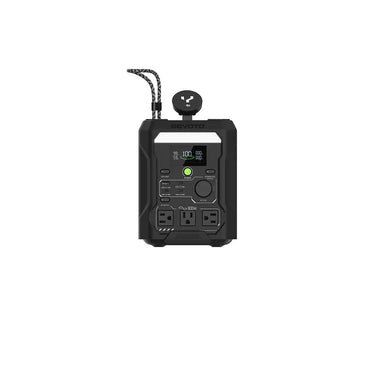
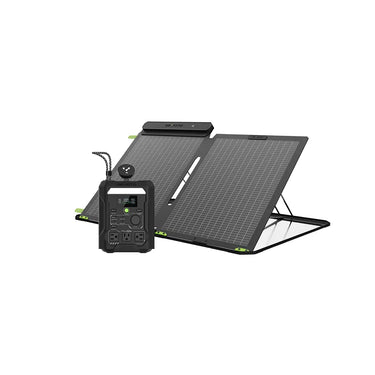
GEYOTO N300
256Wh · 300W · LiFePO4
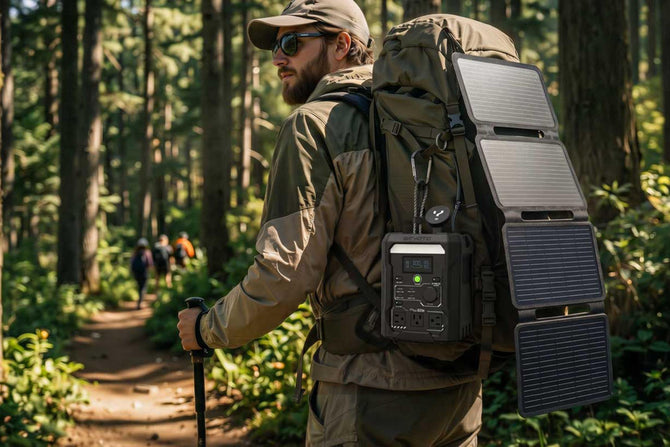
The compact option — closest to the power bank end of the spectrum in form factor, but with full AC output. For occasional standard-plug use without carrying a large unit, it covers that gap. LiFePO4 chemistry means more charge cycles and better thermal stability than many compact alternatives in this category.
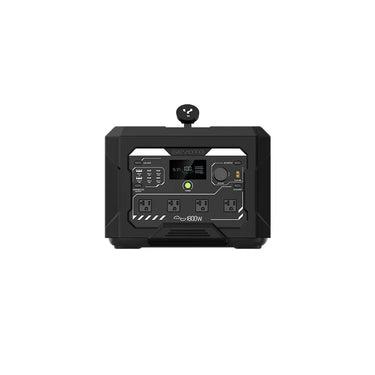
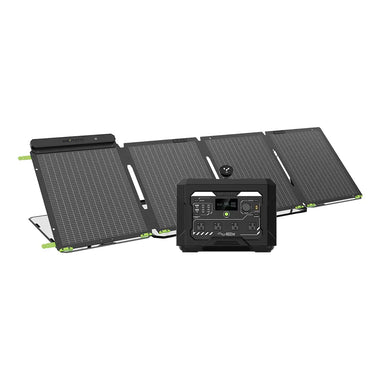
GEYOTO N1000
1024Wh · 1800W · 3000W Surge · Pure Sine Wave
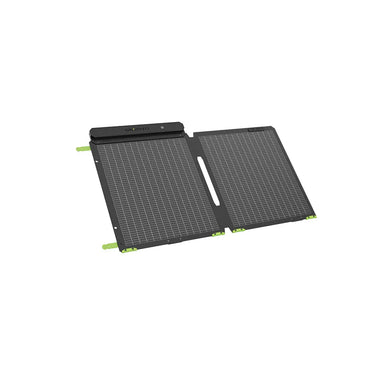
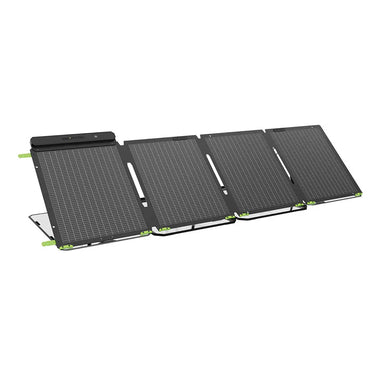
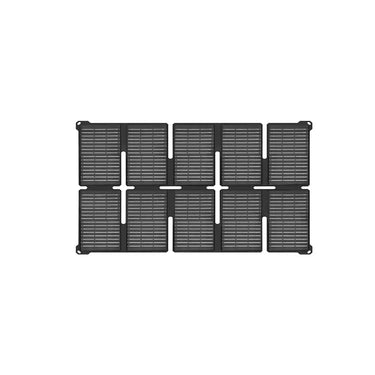
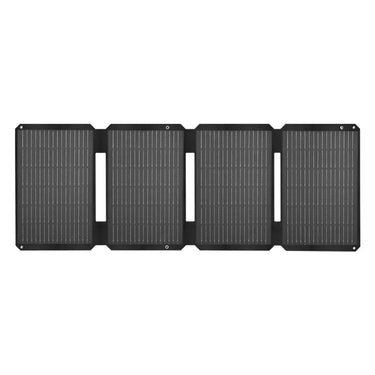
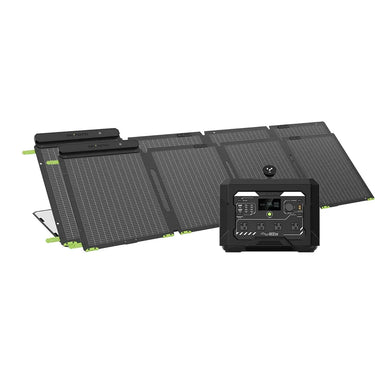
Designed for heavier demands: sustained home backup, multiple devices at once, or extended off-grid use where AC output is non-negotiable. Pure sine wave AC, pass-through charging, and 3000W surge handling for motor-driven appliances at startup. Accepts AC, 12V car input, and solar via GEYOTO's 35W–200W panel range.
Both carry a 3-year standard warranty, extendable to 5 years with member registration — worth factoring in when comparing against lower-priced alternatives in the portable power bank with AC plug category that carry 12-month coverage.
The Practical Decision Framework
Rather than thinking in product categories, the cleaner question is: what's the highest-draw device you need to run, and does it require AC?
| Your Situation | What Fits |
|---|---|
| USB-only devices, light travel | Standard power bank |
| Occasional AC device, need portability | Compact rechargeable power station (e.g., N300) |
| Home backup, medical devices, tools | Full battery portable power station (e.g., N1000) |
| Off-grid with solar recharging | Power station + compatible solar panels |
The Right Tool Depends on What You're Running
The power bank vs. power station debate usually resolves itself once you list the devices you actually need to run. USB-only loads don't require AC output — and adding it means carrying more weight for a capability you won't use. But the moment a standard plug enters the picture, the calculus shifts, and a rechargeable power station becomes the more practical tool rather than the more expensive one.
Capacity, wattage, and battery chemistry then determine which station fits — not the category label on the box.
If you're working through that decision, GEYOTO's N300 and N1000 cover the two most common use case tiers, with full specs and compatibility details on each product page. The broader lineup — including solar panels and generator kits — is at geyoto.com.


