

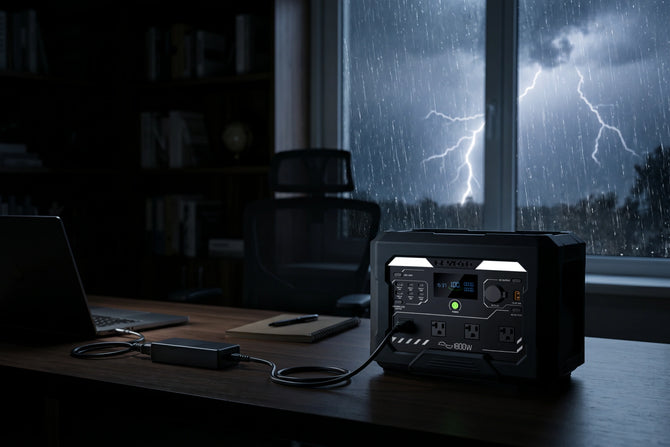




Whether you're preparing for a power outage, heading into the backcountry, or just tired of hunting for wall outlets at a campsite, a portable power station is one of the most versatile energy investments you can make. But picking the right one isn't always straightforward. Capacity ratings, port types, solar compatibility, and battery chemistry all affect how a unit performs in real life — and how well it fits your actual needs.
This guide breaks down the core specs you need to understand before buying, with practical context on how they translate to everyday use.
Watts vs. Watt-Hours: The Most Misunderstood Distinction
This is the question that trips up most first-time buyers, and it's worth getting right.
Watts (W) measure power output — how much electrical load the station can deliver at any given moment. If a device draws 100W and the station is rated at 300W, it can handle that device (and still has 200W of headroom for other things).
Watt-hours (Wh) measure energy capacity — how much total electricity is stored inside the battery. Think of it like a fuel tank: watts are the engine's horsepower, watt-hours are how full the tank is.
Practical Example: A 60W CPAP machine running from a 256Wh battery power station will last around 3.4 hours on a full charge. The same machine connected to a 1024Wh station extends that to roughly 13.6 hours. The wattage tells you what you can plug in; the watt-hours tell you how long.
When shopping, match your output wattage requirement to avoid overloading the unit, and match your watt-hour capacity to your expected runtime needs.
How Much Capacity Do You Actually Need?
A common mistake is buying either too small (running out of power mid-trip) or oversized (paying for capacity you'll never use). Here's a straightforward way to think about it:
Light use — up to 300W / ~256Wh
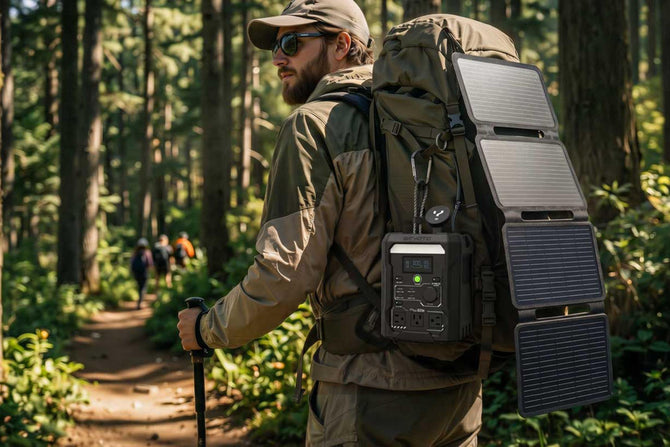
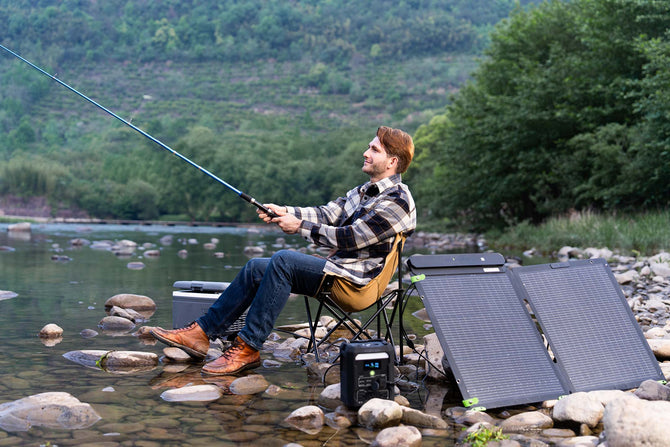
Smartphones, tablets, laptops, LED lanterns, small cameras. Good for day hikes, fishing trips, or keeping a device or two charged during a short outage.
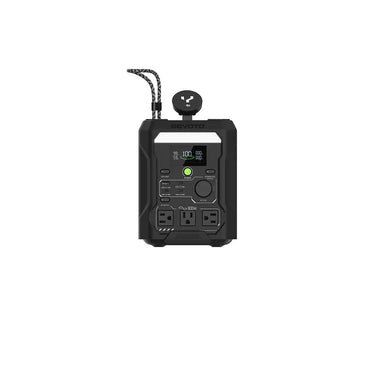
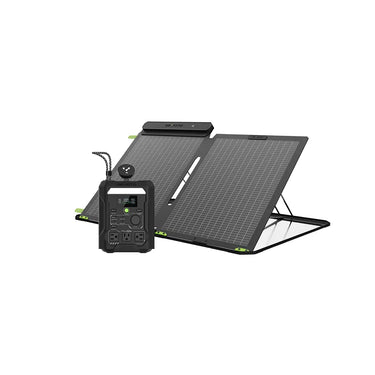
The GEYOTO N300 (256Wh, 300W) fits this category well — compact and easy to carry, it handles personal electronics and small appliances without issue.

Moderate to heavy use — 1000W+ / ~1024Wh
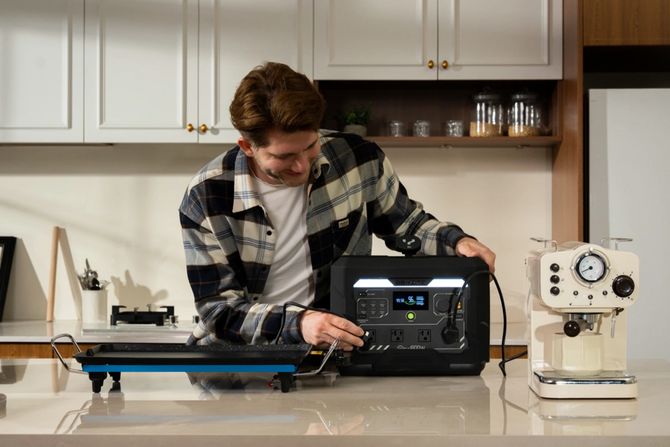
Mini fridges, electric blankets, power tools, CPAP machines, and home networking equipment. This tier covers most home backup scenarios.
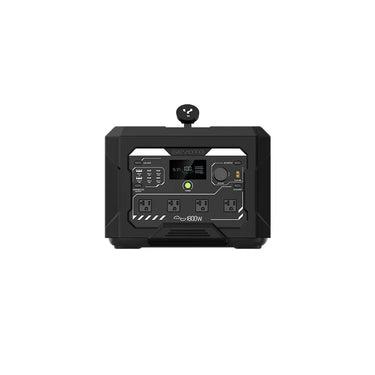
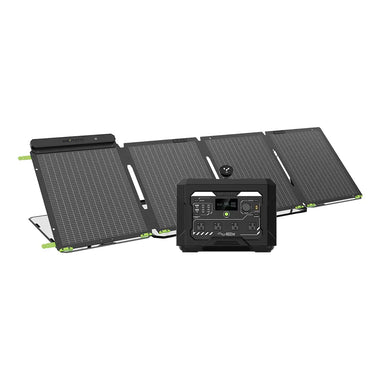
For users who need more headroom, the GEYOTO N1000 (1024Wh, 1800W) is built for heavier loads. It supports pass-through charging and high surge capacity (3000W).

Understanding Port Types — and Why They Matter
A rechargeable power station is only as useful as the ports it provides.
AC Outlets
Standard household outlets for laptops, kitchen appliances, and tools. The GEYOTO N1000 outputs pure sine wave AC, which mimics home grid power and is safe for sensitive electronics and medical devices.
USB-C & USB-A Ports
USB-C is essential for modern fast charging. The N1000 includes four USB-C ports. USB-A remains necessary for legacy devices like older phones and wireless earbuds.
Total Simultaneous Output: The GEYOTO N1000 supports powering up to six devices at once (4 USB-C + 2 USB-A), practical for households during outages.
Solar Charging: What to Know Before You Buy
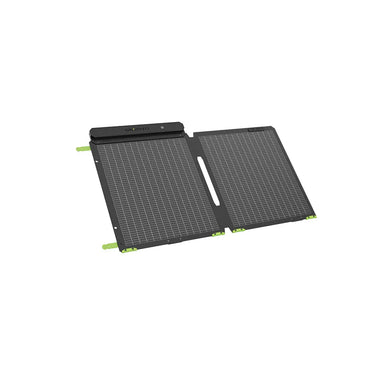
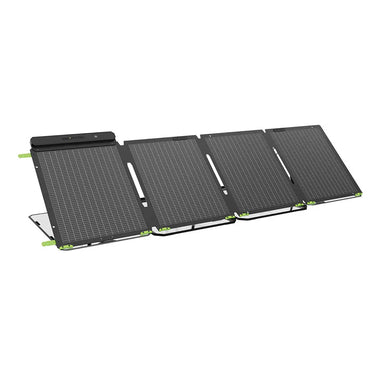
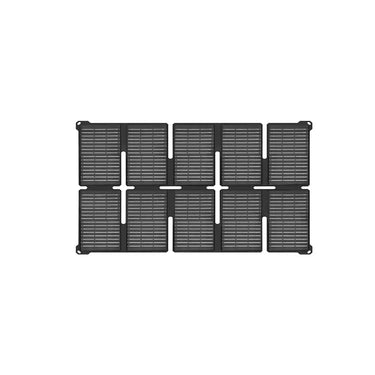
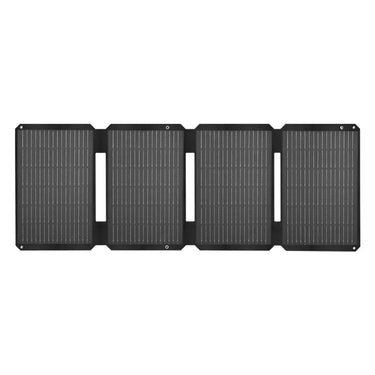
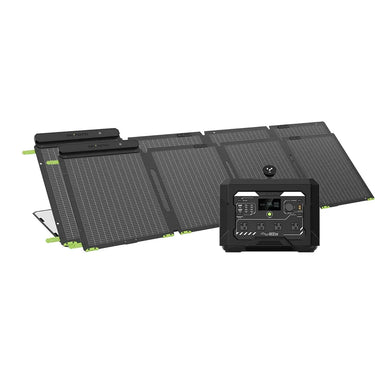
Solar compatibility transforms a portable power station into a truly off-grid solution. GEYOTO offers a range of panels: S35 (35W), S45 (45W), S100 (100W), and the bifacial S200 (200W).
- • Panel wattage: Higher wattage means faster recharge. A 200W panel paired with the N1000 cuts recharge time significantly.
- • Bifacial design: S100 and S200 panels capture light from both sides, improving efficiency in open environments.
- • Multi-input flex: Recharge via AC (0-80% in 40 mins), solar, 12V car charger, or generator.

Battery Chemistry: LiFePO4 vs. Standard Lithium-Ion
GEYOTO power stations use LiFePO4 (Lithium Iron Phosphate), which offers:
Longer Life Up to 4,000 charge cycles before dropping to 80% capacity.
Safer Design Greater thermal stability; less prone to overheating indoors.
Slow Decay Holds charge capacity far longer than standard lithium-ion.
Matching the Right Station to Your Situation
| Use Case | Recommended Capacity | Key Feature to Prioritize |
|---|---|---|
| Day trips, personal devices | ~256Wh (e.g., N300) | Portability, USB ports |
| Home backup, extended trips | ~1024Wh (e.g., N1000) | AC output, surge capacity |
| Off-grid / solar recharging | 1024Wh + 100–200W panel | Solar input, battery cycles |
| Medical devices, electronics | Any with pure sine wave | Pure sine wave output |
Ready to Find the Right Fit?
Find Your Power Match — Start with GEYOTO
GEYOTO N300 — 256Wh · 300W
Lightweight and portable. Ideal for day trips, camping, and keeping personal devices charged.
GEYOTO N1000 — 1024Wh · 1800W
Built for bigger demands. Home backup, multi-device charging, solar-ready, 0–80% in 40 minutes.
Have questions about which GEYOTO model suits your setup? Visit our FAQs or contact our support team directly.


