






When the power goes out, the refrigerator is usually the first thing people worry about. A full fridge can hold safe temperatures for roughly four hours — after that, the clock starts working against you. For anyone who's lost hundreds of dollars in groceries during a blackout, or who lives in an area prone to storms and grid instability, the question isn't really if you need backup power. It's whether a portable power station can actually handle the job.
The short answer is yes — but a few things determine whether yours will pull it off.
Understanding What a Refrigerator Actually Needs
The biggest misconception when pairing a portable power station for refrigerator use is treating wattage as a single number. It isn't.
Running Wattage
The steady draw while the fridge maintains temperature — typically 100–200W for modern household models.
Surge Wattage
The short spike when the compressor kicks on — can reach 3–4× the running draw for a second or two at startup.
If your power station's inverter can't handle that startup surge, the compressor won't spin up — or worse, it'll trip the unit into protection mode. This is why raw battery capacity alone doesn't tell the whole story. You need a station with both sufficient capacity and a high enough peak output rating.
How Long Can a Power Station Actually Run a Fridge?
Once you've confirmed the station can handle the surge, runtime comes down to capacity.
Using the GEYOTO N1000 — a 1024Wh home backup power station with 1800W AC output — here's what the numbers look like across common fridge types:
| Refrigerator Type | Running Wattage | Estimated Runtime |
|---|---|---|
| Standard household fridge | 150W | ~5.5 hours |
| Energy-efficient model | 100W | ~8.2 hours |
| Mini / compact fridge | 60W | ~13.6 hours |

That's meaningful coverage. Most power outages — from summer storms to brief grid failures — resolve within a few hours. An 8+ hour window on an efficient fridge is more than enough for most scenarios, and even the standard fridge estimate comfortably covers the critical four-hour food safety threshold.
Why Pure Sine Wave Output Matters for Compressor Appliances
Not all inverters are equal. Modified sine wave inverters — common in cheaper units — produce a choppy approximation of AC power. For basic resistive loads like lamps or phone chargers, that's often fine. For compressor-driven appliances like refrigerators, it can cause the motor to run hotter, wear faster, or refuse to start altogether.
A pure sine wave inverter produces clean, grid-quality AC power that compressor motors are designed to run on. If you're looking at a home backup power station specifically to keep a fridge running during an outage, pure sine wave output isn't a nice-to-have — it's a requirement for protecting the appliance long-term.
The N1000 from GEYOTO outputs pure sine wave AC, which means refrigerators, medical equipment, and sensitive electronics all receive the same quality power they'd get from the wall.
Three Real Scenarios Where This Matters
1. Power Outages
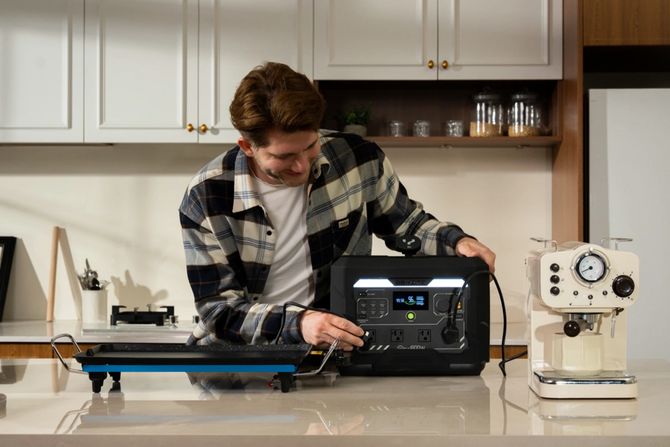
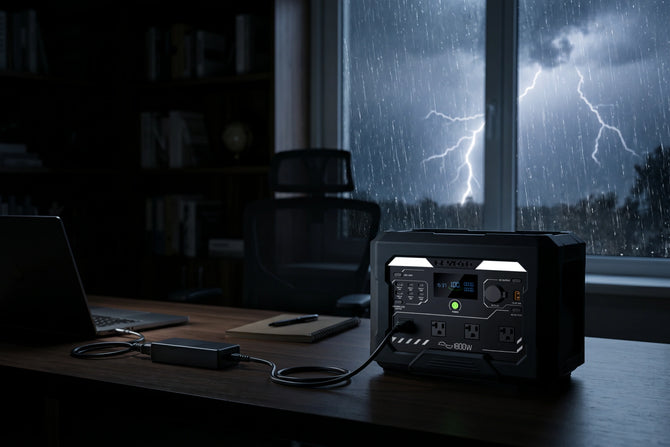
This is the most obvious use case and the one most people prepare for. Whether it's a planned utility maintenance window or an unplanned storm outage, a battery backup refrigerator power outage solution needs to be ready with zero setup time. A station that's already charged and sitting in the kitchen can be plugged in and running within seconds — no fuel, no fumes, no generator exhaust indoors.
2. Reducing Peak-Hour Energy Costs
In regions with time-of-use electricity pricing, running high-draw appliances during off-peak hours and supplementing with stored battery power during expensive peak windows is a practical way to lower monthly bills. A charged power station can absorb some of that load without any grid draw.
3. No-Backup Households
A surprisingly large number of households have no contingency plan for grid failure at all. A portable station addresses this gap immediately, without the installation cost or maintenance complexity of a whole-home generator. It's a home backup power station fridge solution that works out of the box.
What Makes the GEYOTO N1000 Work for This Job
GEYOTO — a North America-based energy company built on the intersection of AI and power engineering — designed the N1000 specifically with home backup scenarios in mind. The specs align well with what running a refrigerator actually demands:
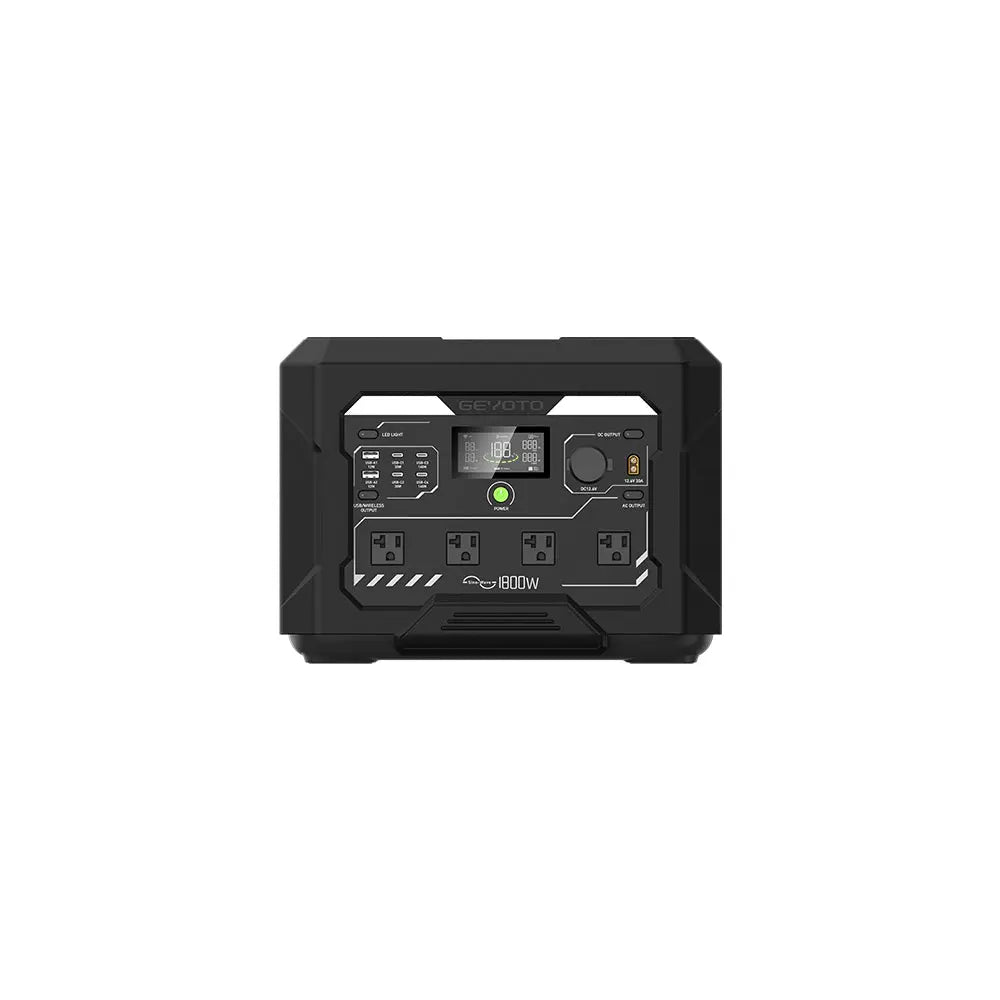
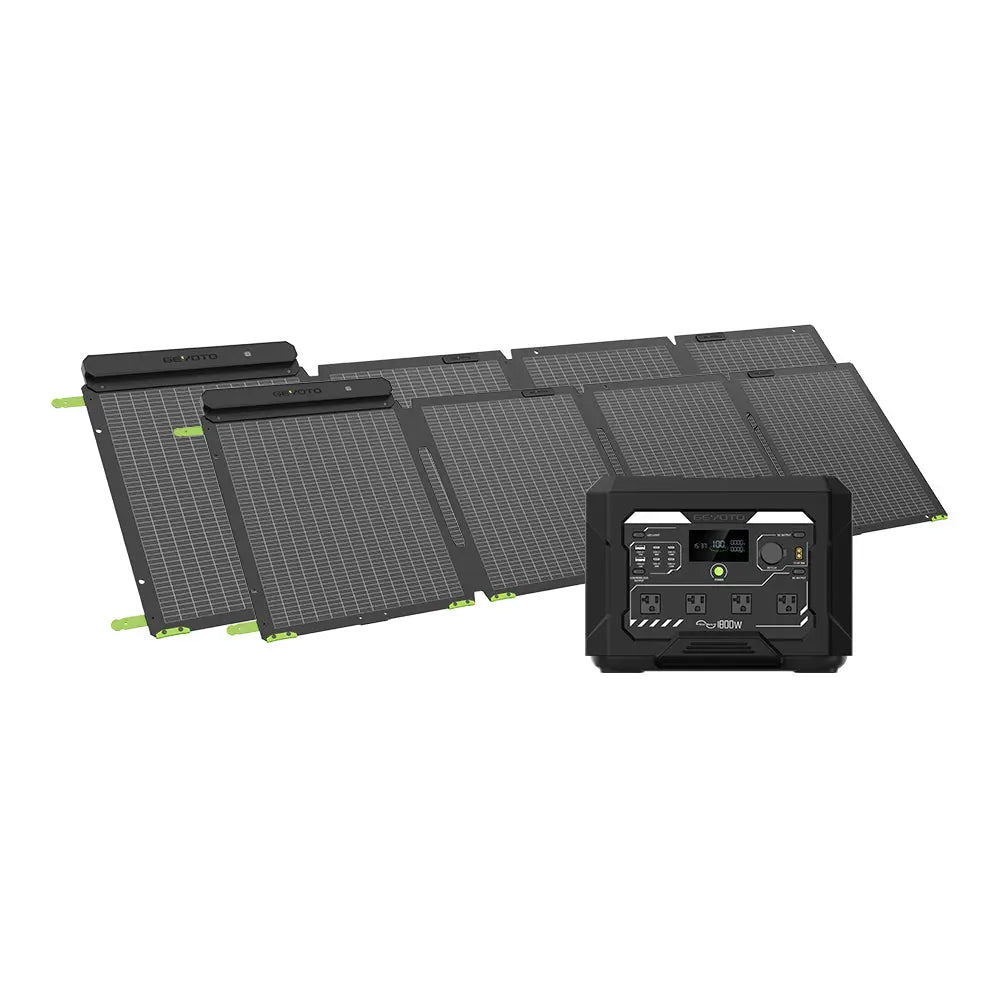
- 1024Wh Gives you meaningful runtime across fridge types — exactly as the calculations above show.
- 1800W AC Handles the startup surge of most standard household refrigerators without issue.
- Pure Sine Pure sine wave inverter output protects compressor motors and sensitive electronics.
- Multi-Port Multiple output ports mean you're not sacrificing the fridge to charge a phone — run both simultaneously.
- 3–5 Yr Warranty coverage that reflects the durability standard you need from a device protecting your food supply.
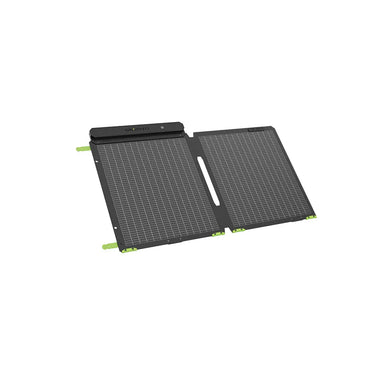
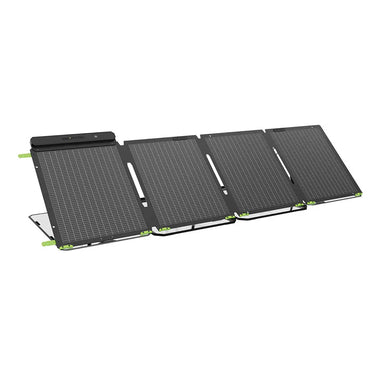
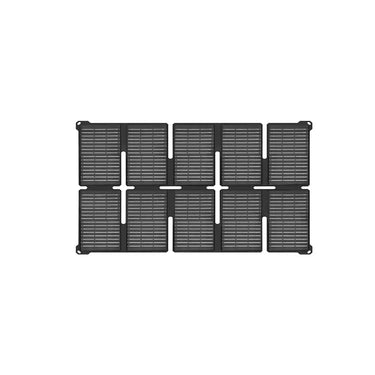
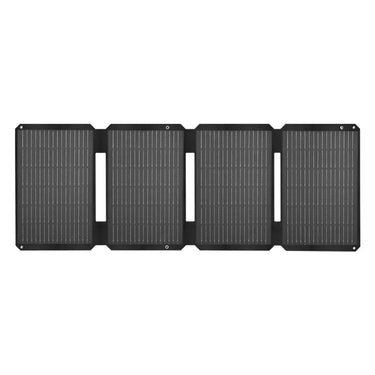
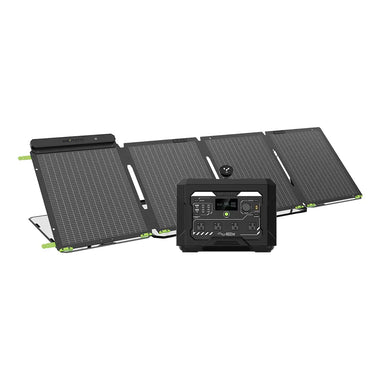
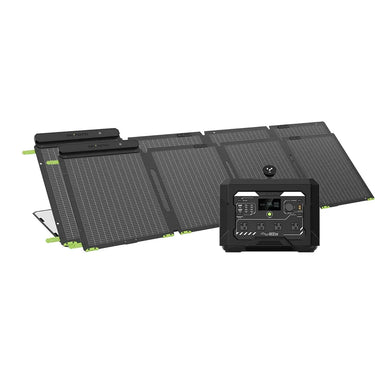
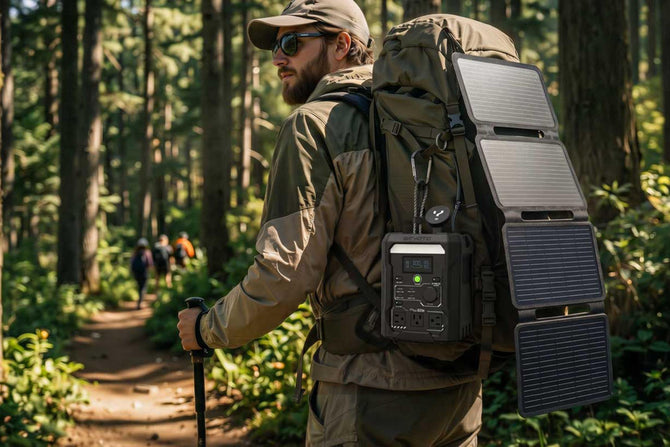
Beyond the spec sheet, the N1000 is designed to fit naturally into household life rather than sit unused in a garage until disaster strikes. It supports solar charging via GEYOTO's compatible panel lineup, which means it can stay topped up passively — ready when needed without any manual maintenance cycle.
If you're evaluating which appliances the N1000 can realistically support alongside the fridge, GEYOTO's household scenario page breaks down typical home use cases with the kind of practical detail that helps you plan your actual setup rather than guess.
What to Check Before You Buy
If you're comparing options for a power station run fridge during outage setup, run through this checklist:
Capacity (Wh)
Use the formula above with your fridge's rated wattage. Aim for at least 1000Wh for a standard fridge if you want 5+ hours of runtime.
Inverter Output (W)
Check your fridge's surge wattage (usually on the label or in the manual). Your station's rated output should exceed this comfortably.
Inverter Type
Confirm pure sine wave. This isn't always prominently labeled — it's worth verifying in the spec sheet before purchasing.
Recharge Options
A station that only charges via wall outlet is limited. Solar compatibility means you can restore capacity even if the grid stays down.
Portability
If the station needs to move between rooms or travel, weight matters. Dedicated home-backup units trade portability for capacity; portable models balance both.
The Practical Bottom Line
A well-spec'd portable power station for refrigerator backup isn't a niche product anymore — it's a reasonable preparedness investment for any household. The math works: 1024Wh of clean power can keep a standard fridge running for over five hours, an efficient one for over eight, and a compact model for most of a day.
The key is matching capacity and output to your actual appliance, choosing pure sine wave for compressor protection, and picking a unit designed with real home backup use in mind.
GEYOTO's N1000 hits those marks cleanly. You can review the full specs and charging options on the N1000 product page, or explore the broader household backup lineup to see how it fits into a complete home power setup.


