


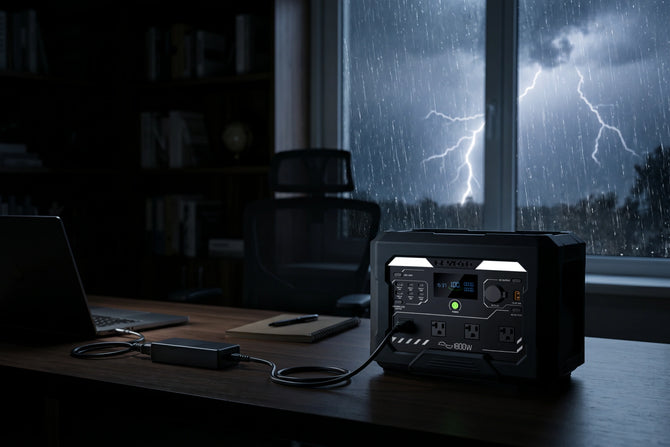




Let's say you are sitting at home on a stormy night. Then the lights suddenly flicker and go dead. Your home sinks into complete silence. You pick up your phone, and it has 2% battery. The refrigerator stops humming. The Wi-Fi router is switched off. It is at this point that a power failure becomes a frustrating experience.
Power outages have been increasing because of aging grids and extreme weather. However, you don't have to sit in the dark. A modern home battery backup system allows you to have your lights on, your food intact and your family in touch.
Preparation is not only a case of having a flashlight. It is about having a reliable plan and the right technology. This checklist will help you navigate all the things you need to do before the grid goes down again.
Why You Need an Emergency Power Supply For House Planning
The majority of people will not consider backup power until the lights are off — at that point, it is too late. Batteries are sold out of stores and there are long lines at gas stations. Investing in an emergency power supply for house before it happens means you are never left scrambling in the dark.
Step 1
Identify Your Must-Have Electronics
The first thing on your checklist is to choose what will stay on. You will probably not be able to have all of your devices running on one battery, so you have to set priorities. Consider what is needed to stay safe, comfortable, and connected.
Phones, tablets, and your Wi-Fi router
CPAP machines, oxygen concentrators, or refrigerated medications
Your refrigerator and freezer
At least 2 powerful lamps or overhead LED lights
A small TV or laptop for weather updates
Step 2
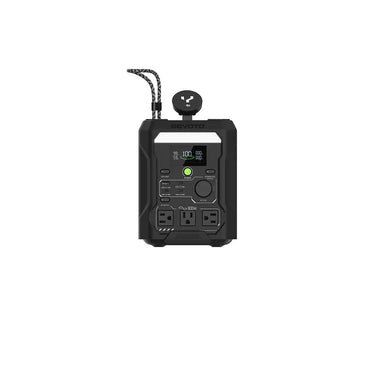
Choose the Right Home Power Station
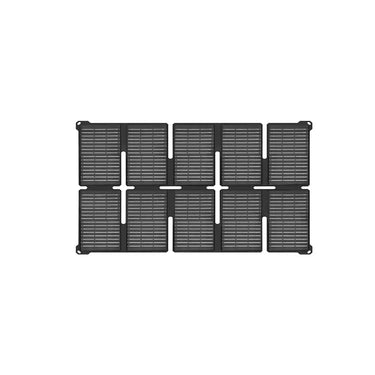
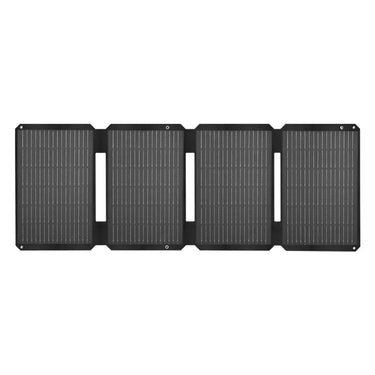
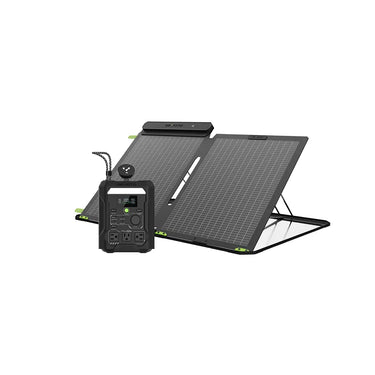
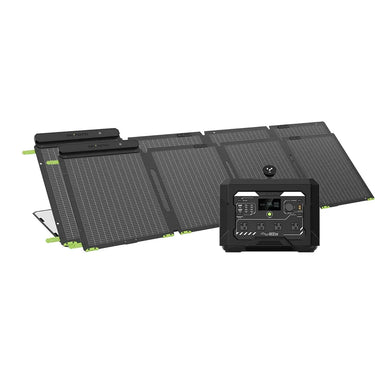
Not all backup systems are created equal. You should choose the size of the battery according to your requirements. When the outage takes days, you can recharge the battery using solar panels during sunny days — forming an energy cycle that doesn't depend on the grid at all.

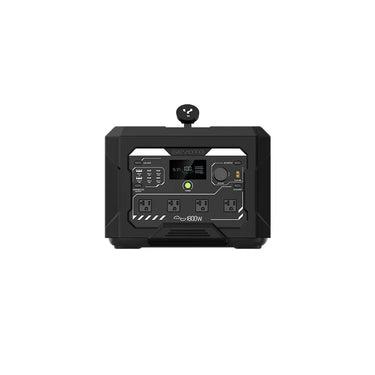
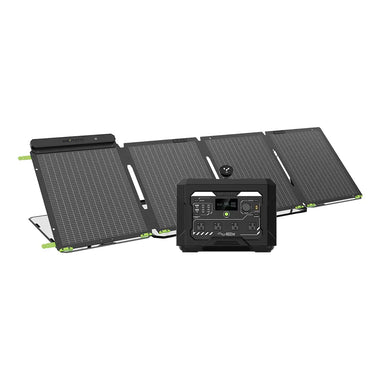
GEYOTO N1000 — Recommended for Most Households
1024Wh · 1800W · LiFePO4 · Pure Sine Wave
A great middle ground for most families. 1024Wh of capacity can run a refrigerator for several hours or charge a smartphone dozens of times. With a 3000W surge rating and pure sine wave AC output, it handles sensitive electronics and motor-driven appliances without issue.
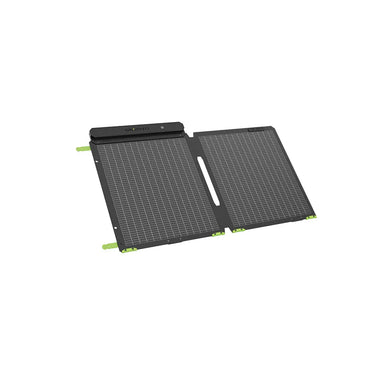
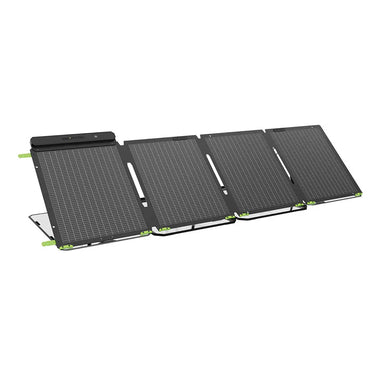
Compatible with GEYOTO's solar panels (35W–200W) for off-grid recharging during extended outages.
Step 3
Where to Place Your Backup Power Supply
The location of your equipment matters as much as the purchase itself. Keep these placement principles in mind:
Keep It Central
Place the unit in a living room or hallway where it can be accessed easily in the dark.
Dry and Cool
Store the battery away from damp basements or very hot areas to protect cell longevity.
Near Essentials
If running the fridge, keep the station close by to avoid long extension cords.
Accessibility
Make sure all family members know where it is and how to switch it on before an emergency happens.
Step 4
Create a "First-To-Plug" Protocol
When the power cuts off, people tend to panic and plug everything in simultaneously — which can overburden your battery backup. Have a priority order ready before it happens:
First 5 Minutes
Connect your Wi-Fi router and main smartphone. Check local news or utility maps to estimate the outage duration. Information is power.
First 30 Minutes
Plug in the refrigerator if the outage is expected to last over two hours. A closed fridge maintains temperature for approximately four hours on its own.
As Needed
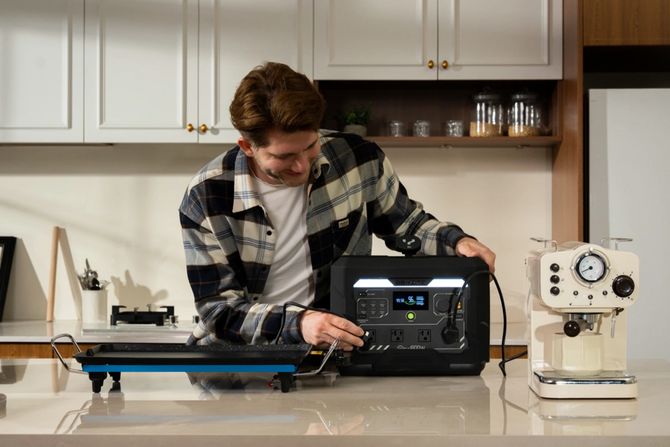
Use remaining capacity for smaller tasks — a quick coffee, charging a work laptop, or powering a light for the evening.
Step 5
The Maintenance and Recharge Habit
A backup battery can only help when it's actually charged. Most people buy a system, put it in a closet, and forget about it — only to find a depleted battery when they need it most.
Set a Quarterly Reminder
Every three months, check the charge level of your house power supply. When it drops below 80%, plug it in and top it up. That simple habit keeps it ready when it counts.
Consider Solar for Long-Term Readiness
Pairing your station with solar panels is the most effective approach for extended emergencies where the grid could be down for a week or more. Emergency solar power ensures your battery can recharge even without wall access.
Step 6
Build Your Full Emergency Kit
Your home battery backup system is the centrepiece, but a complete kit includes a few other essentials to keep your household comfortable through any outage.
LED Lanterns
Safer than candles and consume minimal power. Keep at least two fully charged at all times.
Non-Perishable Food
Stock nuts, protein bars, and canned goods — foods that require no cooking or refrigeration.
Bottled Water
Target at least one gallon per person per day. Store enough for a minimum of three days.
Blankets & Warm Clothes
In winter, heating may be unavailable during an outage. Layer up rather than relying on powered heaters.
Wrapping Up Your Preparation
The best day to plan against a power outage was yesterday. Now is the second-best time. Using this checklist, you can stop being a victim of the grid and take charge of your own home energy.
Start by assessing your needs. Check the power consumption of your essential devices. Then invest in a trusted home battery backup system that fits your lifestyle — whether you're dealing with summer storms or winter blizzards, having a reliable emergency power supply at home is one of the most practical decisions a homeowner can make.
Don't wait for the sky to turn grey. Get your home power station set up today — and sleep better knowing you have the power to keep the lights on. View the GEYOTO N1000 →


