



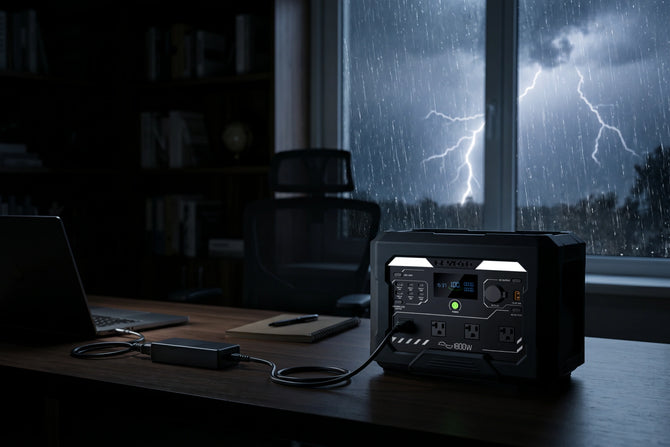




Hurricane season brings more than strong winds and heavy rain. The biggest challenge starts after the storm passes and the power goes out. Having a reliable refrigeration solution during a hurricane power outage can make a huge difference.
Extended outages can quickly turn a fully stocked refrigerator into hundreds of dollars of spoiled food. As a hurricane approaches, choosing the right generator to power your refrigerator during a hurricane becomes one of the most critical decisions a homeowner can make. Keeping your refrigerator running helps preserve food and maintains peace of mind during a stressful time.

Prepare Your Refrigerator
Start by organizing your refrigerator and freezer ahead of time. A well-stocked freezer can keep food cold longer. Aim to fill the freezer to at least three-quarters full. Use containers filled with water or ice to help maintain a low temperature.
If you can, set the thermostat to a colder setting before the storm hits, but be careful not to freeze items that shouldn't be frozen. Make sure that your refrigerator is clean for better airflow and efficiency.
Use a Power Station For Your Refrigerators
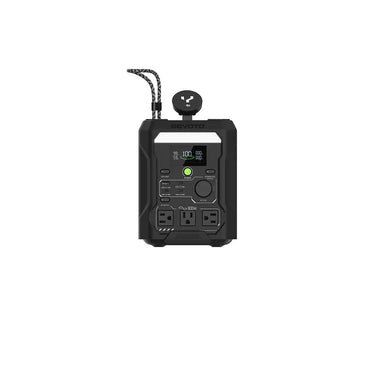
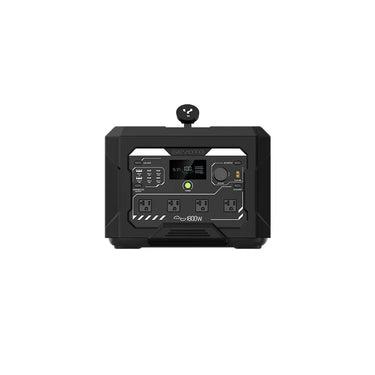
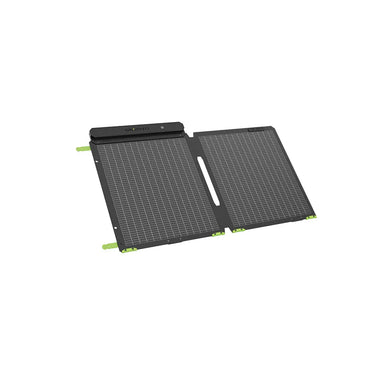
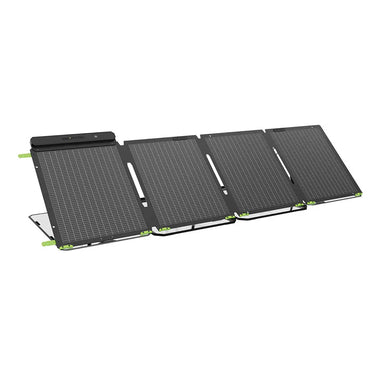
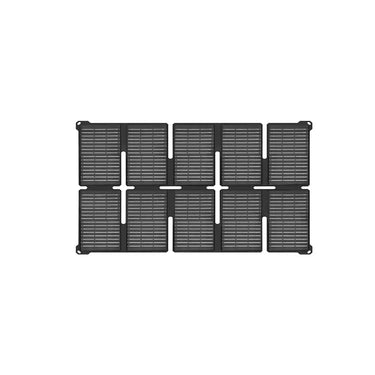
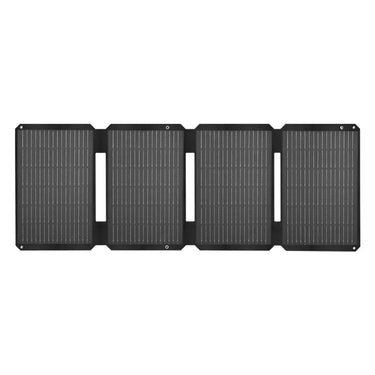
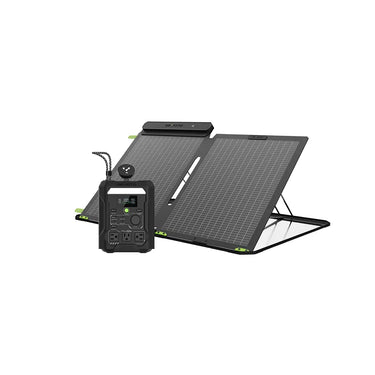
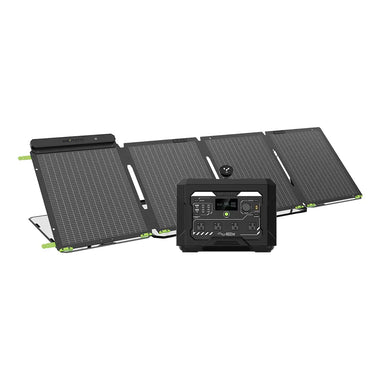
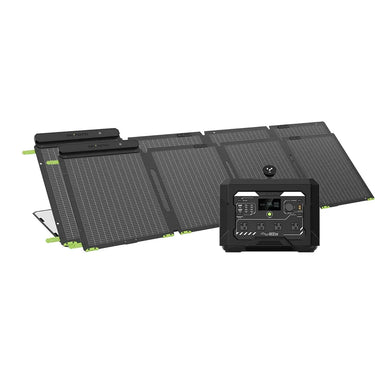
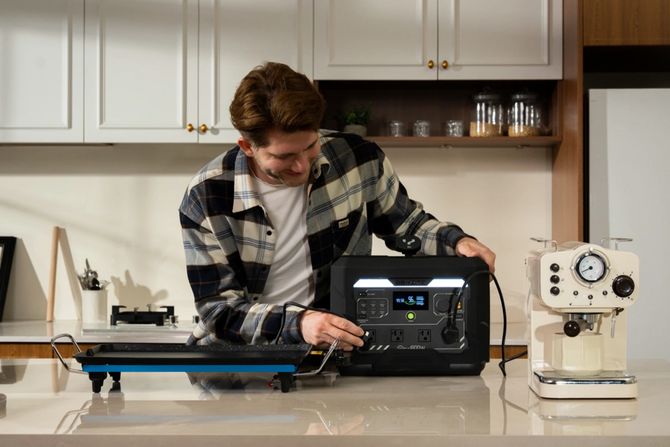
A portable power station with long lasting batteries and seamless solar charging is the best solution when it comes to keeping your refrigerator running during a hurricane power outage. With the right preparation and backup power solution, you can significantly improve your family's ability to weather prolonged outages safely and comfortably.
Know How to Minimize Heat
During a hurricane power outage, try to keep the refrigerator door closed as much as possible. A closed fridge can keep your food cold for about 4 hours, while a full freezer can maintain its temperature for approximately 48 hours if unopened.
Limit the time you spend opening the door by planning meals that allow you to use up perishable items first. Consider a cooking plan that utilizes foods that are most at risk if power is lost.
Monitor Temperatures
A refrigerator thermometer is another valuable tool. It provides accurate temperature monitoring and allows you to make informed decisions about food safety throughout an outage. If you have a thermometer, use it to monitor the refrigerator and freezer temperatures.
If temperatures rise above certain levels, you will need to evaluate the safety of your food. Understanding how long refrigerators stay cold, practicing proper food safety measures, and investing in dependable backup power all contribute to a stronger emergency preparedness strategy.
Food Safety After Hurricane Outage
Monitor refrigerator temperatures whenever possible. If temperatures rise above a certain level for extended periods, certain foods may no longer be safe to consume. Perishable food items and certain produce can become unsafe to eat if they are kept at temperatures above 40°F for hours. Keep a list of items in your fridge and freezer, noting their safe consumption timelines.
Perishable items such as meat, seafood, dairy products, eggs, and leftovers should receive special attention. When uncertainty exists, it is generally safer to discard questionable food than risk illness. Keeping a simple inventory of refrigerated items before the storm can also make post-outage decisions easier and reduce confusion during recovery.
How Long Can a Refrigerator Stay Cold During Hurricane Outage?
A refrigerator that remains closed can generally maintain safe temperatures for approximately four hours after losing power. A full freezer may keep food frozen for up to 48 hours, while a half-full freezer may maintain safe temperatures for around 24 hours. These estimates assume the doors stay closed as much as possible.
Every time the refrigerator door opens, cold air escapes and warm, humid air enters. During hot and humid hurricane conditions, internal temperatures can rise much faster than many people expect. This is why experts recommend minimizing door openings and planning ahead before the storm arrives.
Why Are Refrigerators Vulnerable During Hurricane Power Outage?
Once power is lost, temperatures inside the refrigerator unit begin to rise gradually. The longer the outage continues, the greater the risk of food spoilage and potential foodborne illness. During major hurricanes, utility restoration can take days or even weeks in heavily impacted areas. This makes refrigeration one of the most important household functions to plan for before hurricane season arrives.
Beyond food preservation, people around the world also store medications, baby formula, and other temperature-sensitive items that require consistent cooling. Losing refrigeration can therefore affect both convenience and health.
Hurricane Power Planning: How to Keep Your Refrigerator Running During a 72-Hour Blackout
Running a refrigerator from a portable power station isn't as simple as matching the appliance's listed wattage. To prepare effectively for a hurricane, homeowners must understand surge power, compressor behavior, and smart power-management strategies that stretch battery reserves over multiple days.
The Hidden Challenge: Refrigerator Surge Wattage
Most modern refrigerators consume between 100 and 300 Watts while operating normally. However, the compressor motor requires a much larger burst of power every time it starts. This startup demand, known as surge wattage or inrush current, can temporarily reach two to five times the refrigerator's normal running power.
A refrigerator that typically runs at 150 watts may briefly require 600 to 1,000 Watts when the compressor kicks on. For this reason, hurricane preparedness isn't just about battery capacity. Your backup power solution must provide sufficient surge output to handle compressor startups reliably.
Refrigerator Cycling During Power Outage
Refrigerators do not run continuously. Instead, they cycle on and off throughout the day to maintain internal temperatures. Understanding cycling patterns helps you estimate backup runtime more accurately.
When the compressor turns on, power consumption increases. Once the desired temperature is reached, the compressor shuts off, and energy use drops dramatically. This cycling behavior means actual energy consumption is often lower than many people expect.
The GEYOTO 2-Hours-On / 4-Hours-Off Power Cycling Strategy
For extended outages lasting up to 72 hours, GEYOTO recommends a practical power-conservation approach known as the 2-Hours-On / 4-Hours-Off Refrigerator Power Cycling Strategy.
The concept is straightforward:
- Run the refrigerator from the power station for 2 hours.
- Disconnect power for 4 hours.
- Repeat the cycle throughout the outage.
This schedule allows the compressor to cool the refrigerator thoroughly during active periods while leveraging the appliance's insulation during inactive periods. Over a six-hour cycle, the refrigerator receives power for only one-third of the time, significantly reducing overall energy consumption.
Using Power Station for Refrigerator During Hurricane Emergencies
Battery power stations have become increasingly popular among hurricane-prone households. Unlike fuel-powered generators, they can operate safely indoors because they produce no exhaust emissions. This makes them particularly attractive for apartments, condominiums, and homes where outdoor generator use may be impractical.
The GEYOTO's 1024Wh power station supports additional essentials such as smartphones, internet equipment, medical devices, lights, and laptops. This versatility allows families to maintain a greater sense of normalcy during hurricane emergencies.

Why Traditional Generators Are Not Always Ideal
Fuel availability often becomes limited before and after major hurricanes, making refueling difficult. Generators also produce exhaust emissions and must never be operated indoors.
Noise can be another concern, especially in densely populated neighborhoods where multiple households may be dealing with storm recovery simultaneously. Therefore, it is best to use battery-powered alternatives that provide reliable power during a hurricane outage, without worrying about fuel storage, fumes, or excessive noise.
GEYOTO power stations are designed to provide portable energy storage that can support critical household devices during emergencies. Because they operate without gasoline or diesel fuel, they offer a cleaner and quieter alternative to traditional generators.
1024Wh Power Station Refrigerator Runtime
While actual performance varies depending on refrigerator size, efficiency, temperature settings, and ambient conditions, a 1024Wh power station can often provide many hours of refrigerator operation because the appliance cycles on and off rather than running continuously.
Actual runtime will vary based on household conditions, but this capacity level is often considered a practical starting point for emergency refrigeration support.
Why You Need the Right Fridge Backup Power Solution
Battery capacity is typically measured in watt-hours (Wh). This figure indicates how much energy the power station can store. Power output is measured in watts (W) and determines whether the unit can handle the refrigerator's startup surge and running requirements.
A dependable fridge backup power system should provide enough capacity to support your refrigerator while also powering essential electronics. When evaluating options, pay close attention to both battery capacity and power output.


