






When the power goes out, the refrigerator is often the first appliance people worry about. If you are asking how long will a refrigerator stay cold without power, the short answer is about 4 hours if the door stays closed. A full freezer can usually hold its temperature for about 48 hours, while a half-full freezer may stay cold for about 24 hours.
That time window matters. A short outage may only require keeping the doors shut and waiting for power to return. A longer outage, especially during storms, hurricanes, rolling blackouts, or summer heat, can become both a food safety issue and a home backup power problem.
This guide explains refrigerator power outage food safety, how long food lasts without power, what to do before and after an outage, and when a home backup power station can help keep essential appliances running.

Click the image to shop now
How Long Will a Refrigerator Stay Cold Without Power?
A refrigerator can usually keep food cold for up to 4 hours without power, as long as the door remains closed. That condition is key. Every time the door opens, cold air escapes and warm air enters, shortening the safe window.
A freezer gives you more time because frozen food acts like an ice block. A full freezer can often hold a safe temperature for about 48 hours if unopened. A half-full freezer usually holds for about 24 hours.
| Appliance | If the Door Stays Closed | Best Action |
|---|---|---|
| Refrigerator | About 4 hours | Keep the door closed and check temperature |
| Full freezer | About 48 hours | Keep closed and check for ice crystals |
| Half-full freezer | About 24 hours | Use food sooner or move it to a cooler |
| Refrigerator over 4 hours without power | Higher risk for perishables | Check temperature and discard unsafe foods |
The phrase “fridge without power 4 hours” is a helpful rule of thumb, but temperature should guide your final decision. If refrigerated perishable food has been above 40°F for too long, it may no longer be safe.
How Long Does Food Last in Fridge Without Power?
Most refrigerated perishable foods are safest within the first 4 hours of a power outage, assuming the refrigerator door stays shut. After that, foods such as meat, poultry, seafood, milk, eggs, soft cheeses, and cooked leftovers become higher risk.
This is where people often make mistakes. Food may look normal and still be unsafe. Smell and appearance are not reliable ways to judge food safety after a power outage. A refrigerator thermometer gives you a much better answer.
| Food Type | After 4+ Hours Without Power |
|---|---|
| Meat, poultry, seafood | Usually discard if above safe temperature |
| Milk, eggs, soft cheese | Usually discard if unsafe temperature |
| Cooked leftovers | Usually discard |
| Whole fruits and some condiments | Often lower risk, but check item by item |
| Frozen food with ice crystals | May still be safe depending on temperature |
If you are wondering how long does food last in refrigerator during power outage, the safest answer is: keep the door closed, track the time, check the temperature, and treat high-risk foods carefully.
What Affects How Long Your Fridge Can Go Without Power?
Not every refrigerator warms up at the same speed. The 4-hour guideline is useful, but real-world conditions can change the result.
A refrigerator that was already fully cooled before the outage will usually hold temperature better than one that was recently loaded with warm groceries. A tightly sealed, newer refrigerator may perform better than an older unit with worn door gaskets. Room temperature also matters. A refrigerator in a hot garage or warm kitchen may lose cold air faster.
The amount of food inside matters too. A fuller refrigerator or freezer holds cold better than an empty one, as long as air can still circulate properly. For freezers, frozen food helps maintain the cold environment.
Door openings are one of the biggest factors. During an outage, decide what you need before opening the door. If possible, avoid opening the refrigerator just to check. Use the outage start time and a thermometer once power returns.
What to Do During a Refrigerator Power Outage
A calm plan can help you avoid waste and make safer choices. Start with the simplest step: keep refrigerator and freezer doors closed.
Write down when the outage started. If power comes back within a few hours and the doors stayed closed, most refrigerated foods may still be safe. If the outage approaches or passes 4 hours, move high-risk perishables to a cooler with ice or frozen gel packs if you have one.
After power returns, check the refrigerator temperature or the temperature of the food. Foods that stayed at 40°F or below are generally in a safer range. If perishable foods were above 40°F for too long, discard them.
A basic power outage checklist can help:
- Keep refrigerator and freezer doors closed.
- Track the outage start time.
- Use a cooler with ice for high-risk foods if the outage continues.
- Check the temperature when power returns.
- Discard unsafe perishables rather than tasting them.
- Plan ahead if outages are common in your area.
Refrigerator power outage food safety starts with time, temperature, and preparation. Backup power becomes part of the plan when outages last long enough to put food at risk.
When Backup Power Becomes Useful for a Refrigerator
If power returns quickly, keeping the refrigerator closed may be enough. But when outages last several hours, happen overnight, or occur during severe weather, backup power can give you more control.
A refrigerator is different from a phone or a light. It uses electricity in cycles, and the compressor may require more power when starting than when running. That means refrigerator backup power should be sized carefully. You need to consider running watts, startup surge, battery capacity, room temperature, and whether other devices are connected at the same time.
A home backup power station is often useful for households that want to support essential devices during an outage. Instead of only thinking about the refrigerator, many families also need to keep phones charged, WiFi available, lights on, and in some cases, medical or work devices powered.
A smaller power station may be enough for phones, routers, and LED lights. For refrigerator backup planning, a 1024Wh portable power station gives households a more practical starting point than smaller units made mainly for light-duty charging.
Portable Power Station vs Gas Generator for Refrigerator Backup
Gas generators can support heavy loads and long outdoor use, but they must be operated outside and away from living areas because of exhaust risk. They also require fuel, maintenance, and safe storage.
A portable power station works differently. It stores energy in a battery and can power devices through AC outlets, USB ports, and DC outputs, depending on the model. For indoor household essentials, battery backup is often simpler and quieter than a gas generator. It is also easier to use in apartments, condos, overnight outages, and situations where storing fuel is not practical.
| Backup Option | Best For | Refrigerator Backup Consideration |
|---|---|---|
| Cooler with ice | Short outages | Temporary food protection |
| Small power station | Phones, router, lights | Not ideal as primary fridge backup |
| 1024Wh portable power station | Refrigerator plus essentials | Better fit for outage planning |
| Solar generator kit | Longer storm preparation | Solar input depends on sunlight |
| Gas generator | Outdoor high-load use | Never use indoors |
For many homes, the best plan is not just one tool. Ice, a thermometer, a cooler, and a properly sized backup power source all play different roles.
How GEYOTO N1000 Supports Refrigerator Backup Planning

Click the image to shop now
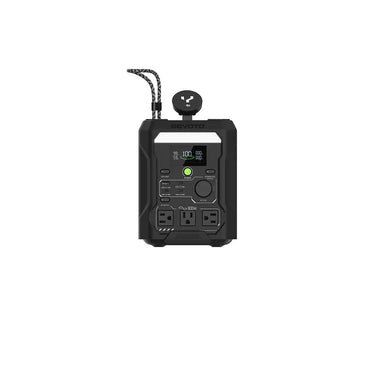
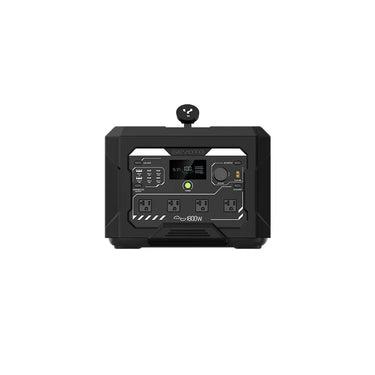
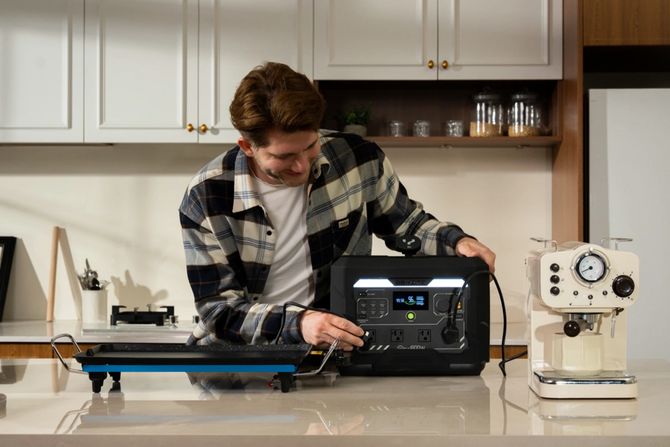
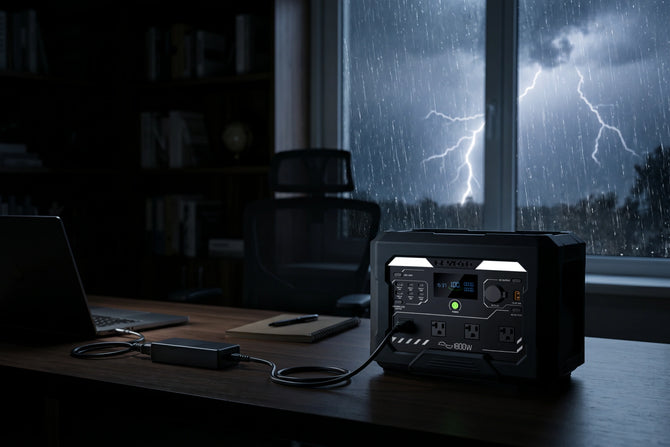
For homes where refrigerator backup is a priority, capacity matters. A compact power station may be useful for phones, lights, or a WiFi router, but a refrigerator has different power demands because its compressor cycles on and off. A 1024Wh home backup power station, such as the GEYOTO N1000, gives households more flexibility for refrigerator backup planning and other outage essentials.
The GEYOTO N1000 offers 1024Wh capacity and 1800W output, making it better suited to larger household essentials than smaller units designed mainly for phones, cameras, and lights. That does not mean every refrigerator will run for the same amount of time. Refrigerator runtime depends on wattage, compressor cycling, room temperature, how often the door is opened, and whether other devices are connected.

GEYOTO N1000 Portable Power Station
1024Wh capacity and 1800W output for refrigerator backup planning, home essentials, storm preparation, and emergency use.
Shop N1000Still, having a 1024Wh portable power station gives households a practical way to plan for outages that may last longer than the 4-hour food safety window. It can help reduce the time your fridge sits without power while also supporting selected essentials such as a WiFi router, phone, laptop, light, or small appliance, depending on total power demand.
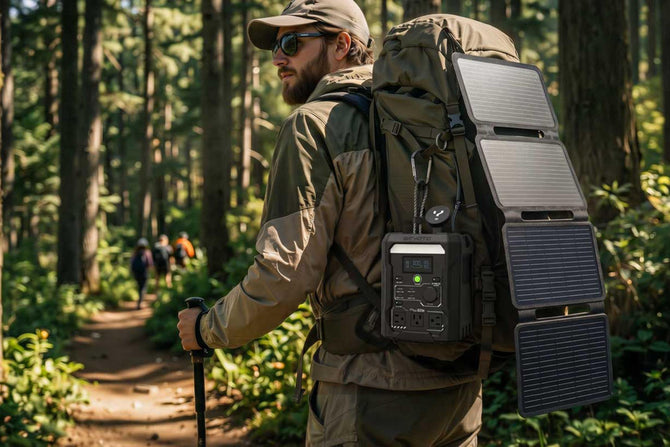
The N1000 is designed for home backup, outdoor use, and emergency scenarios. Its multiple output ports make it easier to organize more than one essential device during an outage. This matters during storms, when a household may need to keep food cold, maintain basic lighting, charge phones, and stay connected for weather updates.
Battery chemistry also matters for long-term backup planning. The GEYOTO N1000 uses LiFePO4 battery technology and is rated for 4000+ LFP battery cycles, which makes it suitable for repeated use across storm seasons, rolling blackouts, RV trips, weekend cabins, and emergency preparation.
Charging speed is another practical advantage. When severe weather is in the forecast, a power station that recharges quickly gives households more time to prepare. The N1000 supports fast AC charging, reaching 0–80% in about 43 minutes and a full charge in about 68 minutes under stated charging conditions.
The most useful way to think about the N1000 is not as a promise that food will never spoil. It is a backup planning tool. If you know your refrigerator wattage and understand your outage risks, it can help reduce food safety pressure and support other home essentials at the same time.

Click the image to shop now
GEYOTO N1000 Solar Generator Kit for Longer Outages
Some outages end quickly. Others last through the night or continue after a storm has passed. For longer interruptions, solar recharging can add another layer to a home backup plan.
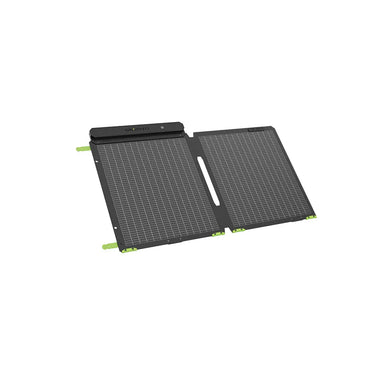
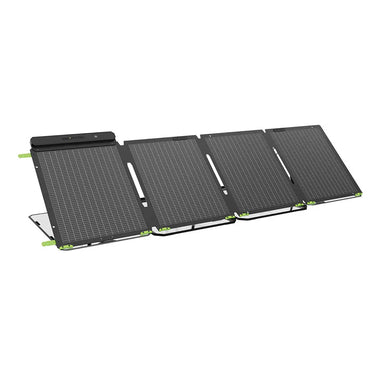
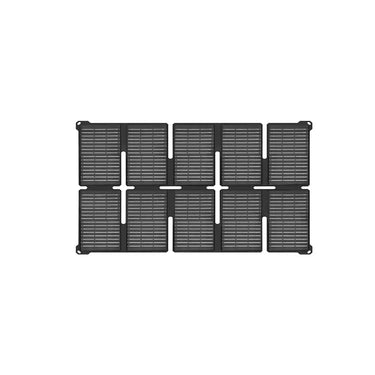
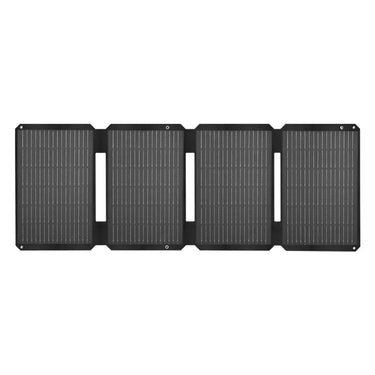
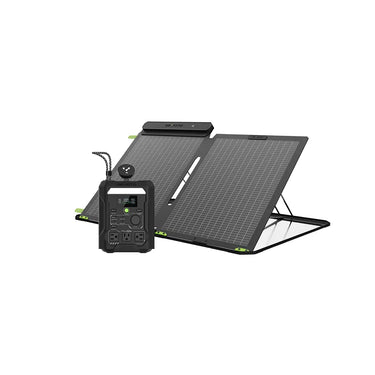
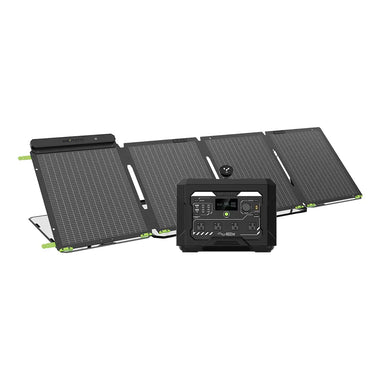
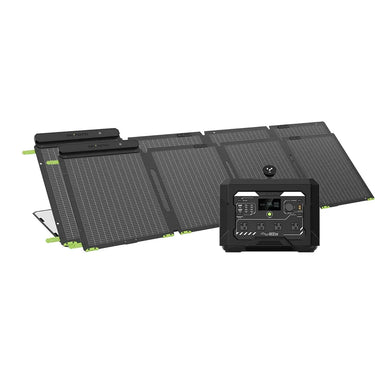
The GEYOTO N1000 Solar Generator Kit pairs the 1024Wh N1000 power station with solar panel options, including a 200W panel kit and a dual 200W panel configuration. This setup can be useful for storm preparation, camping, RV use, off-grid weekends, and emergency power planning.

GEYOTO N1000 Solar Generator Kit
Pairs the 1024Wh N1000 power station with solar panel options for longer outage planning, outdoor backup, and storm preparation.
Shop Solar KitSolar charging depends on real conditions. Sunlight, clouds, panel angle, season, shade, and location all affect charging performance. For that reason, solar should be treated as a flexible recharging option rather than a fixed guarantee.
For refrigerator backup, the biggest benefit is preparation. If a storm is expected, you can charge the power station in advance. If the outage continues and sunlight is available, solar panels may help replenish energy for essentials. This is especially useful when wall outlets are unavailable and fuel-based generators are not convenient.
Before the Next Outage: A Simple Refrigerator Backup Plan
The best time to prepare is before the refrigerator loses power. A few small steps can make a stressful outage easier to manage.
Place thermometers in both the refrigerator and freezer. Keep frozen gel packs or water bottles in the freezer when space allows. They help hold cold and can be moved to a cooler if needed. Know which foods are high-risk, especially meat, seafood, dairy, eggs, and cooked leftovers.
If storms are in the forecast, charge phones, lights, and backup batteries early. If you use a home backup power station, charge it before the weather arrives. Check your refrigerator’s wattage label or manual so you have a realistic idea of what kind of backup power you may need.
A simple plan might look like this:
- Keep the refrigerator and freezer doors closed once power fails.
- Use the 4-hour refrigerator window as your first checkpoint.
- Move perishables to a cooler with ice if the outage continues.
- Use a thermometer before deciding what to keep.
- Pre-charge a GEYOTO N1000 or similar 1024Wh home backup power station for longer outages.
- Consider a solar generator kit if storms or extended outages are common in your area.
Preparation does not remove every risk, but it gives you more options.
FAQ
How long can fridge go without power?
A refrigerator can usually keep food cold for about 4 hours without power if the door stays closed. After that, check the temperature and be cautious with perishable foods.
How long does food last in fridge without power?
Perishable food in the fridge generally has a 4-hour safe window when the door remains closed. Meat, poultry, seafood, milk, eggs, and leftovers need extra care after that point.
How long will a freezer stay cold without power?
A full freezer can usually stay cold for about 48 hours if unopened. A half-full freezer may hold temperature for about 24 hours.
Can a portable power station run a refrigerator?
Many portable power stations can support a refrigerator, but results depend on refrigerator wattage, startup surge, compressor cycling, battery capacity, and other devices connected.
Is GEYOTO N1000 suitable for refrigerator backup planning?
The GEYOTO N1000 offers 1024Wh capacity and 1800W output, making it a stronger option for refrigerator backup planning than smaller units. Actual runtime depends on your refrigerator and usage conditions.
Should I use a gas generator or a portable power station for a refrigerator?
A gas generator may be suitable for outdoor high-load use, while a portable power station is often easier for indoor household essentials. Gas generators should never be used indoors.
Final Thoughts
Knowing how long a refrigerator will stay cold without power helps you make safer decisions during an outage. A closed refrigerator usually gives you about 4 hours. A full freezer gives more time, but temperature still matters.
For short outages, keeping the door closed may be enough. For longer outages, storms, or repeated blackouts, a backup plan can help protect food and keep essential devices running. A 1024Wh home backup power station such as the GEYOTO N1000, or the GEYOTO N1000 Solar Generator Kit for added solar recharging flexibility, can be a practical part of that plan when sized and used properly.
Food safety starts with preparation. Keep thermometers ready, know your refrigerator’s power needs, and have a backup option before the next outage begins.


