


When asking “what size portable power station do I need,” start with your outage plan, not the biggest number on the product page. For phones, WiFi, lights, and a laptop, a compact power station can cover short outages. For a refrigerator, CPAP machine, router, lights, and several family devices, a 1024Wh portable power station is usually a better home backup direction.
A power outage does not affect every household the same way. An apartment renter may only need communication and lighting. A remote worker may care most about WiFi and a laptop. A family preparing for storm season may need to protect refrigerated food and keep several devices charged. This sizing guide helps you decide what capacity range makes sense before you choose a portable power station for home backup.
What Size Portable Power Station Do I Need for a Power Outage?
The right size depends on three decisions: what you need to power, how long you need backup power, and which devices must run at the same time.
For small electronics, you can choose a smaller unit. For appliances with motors, compressors, or overnight use, you need more capacity and stronger output. A portable power station is not the same as a whole-house standby generator, so the goal is not to run everything in your home. The goal is to keep essential devices working when the grid is down.
 Click the image to shop now
| Outage Plan | Better Capacity Direction | Typical Devices |
|---|---|---|
| Light backup | Compact power station | Phone, router, LED light, laptop |
| Overnight essentials | Mid-size to larger unit | CPAP, phone, small light, router |
| Food and family backup | 1024Wh unit | Refrigerator, router, lights, phones |
| Storm preparedness | 1024Wh or larger plan | Essentials plus recharge strategy |
| Whole-home backup | Larger installed or fuel-based system | HVAC, oven, large pumps, multiple appliances |
This approach keeps the buying decision practical. You do not need the same setup for a two-hour outage as you would for a storm that disrupts power through the night.
Step 1: What Devices Do You Actually Need During an Outage?
List essential devices first. Most households do not need to power every appliance; they need communication, light, food protection, and a few comfort or health-related devices.
Start with these categories:
| Priority | Device Group | Why It Matters |
|---|---|---|
| Communication | Phone, router, laptop | Alerts, family contact, remote work |
| Safety | LED lights, radio | Visibility and emergency updates |
| Food storage | Refrigerator, freezer | Helps protect groceries during longer outages |
| Health routine | CPAP or medical comfort devices | Overnight support and daily routine |
| Basic comfort | Small fan, tablet, camera, small electronics | Useful after essentials are covered |
This step prevents oversizing and under-sizing at the same time. If your real need is phone charging and WiFi, a compact unit may be enough. If your list includes a refrigerator and CPAP machine, your backup plan needs more headroom.
Avoid building your first estimate around high-wattage convenience devices such as electric heaters, microwaves, electric kettles, hair dryers, or large cooking appliances. These can quickly exceed what many portable power stations are designed to support.
Step 2: How Long Do You Need Backup Power?
Outage length changes the size decision. A short outage may only require a small battery. An overnight outage needs more planning. A storm-related outage may also require a way to recharge.
| Outage Length | Main Goal | Suggested Direction |
|---|---|---|
| 1–3 hours | Stay connected and keep lights on | Compact power station |
| Half day | Router, phone, laptop, lights | Compact to mid-size |
| Overnight | CPAP, phone, small light, router | Mid-size or larger |
| 12–24 hours | Refrigerator plus core essentials | 1024Wh |
| Multi-day storm | Essentials plus recharge plan | Larger setup, solar support, or outdoor generator support |
This table is more useful than asking for one universal size. A small household with a short outage plan may not need a large unit. A family that wants refrigerator backup during storm season should look at a larger category from the start.
Runtime also depends on how devices are used. A router may run steadily. A refrigerator cycles on and off. A CPAP machine may draw more power when humidification is active. These usage patterns are why home backup power size should be based on your actual devices, not a generic estimate.
Step 3: Which Devices Must Run at the Same Time?
Simultaneous load is one of the most overlooked parts of sizing. A portable power station may handle several low-power devices easily, but a different plan is needed when a refrigerator, CPAP machine, and multiple electronics are connected together.
Think in combinations:
| Device Combination | Load Level | Sizing Note |
|---|---|---|
| Phone + LED light | Very light | Compact unit is usually enough |
| Router + phone + laptop | Light to moderate | Good fit for compact or mid-size backup |
| CPAP + phone + small light | Moderate | More capacity helps for overnight use |
| Refrigerator + router + lights | Moderate to high | 1024Wh is a better starting point |
| Refrigerator + CPAP + fan + TV | Higher | Requires careful output and capacity planning |
This is also where rated output matters. Capacity tells you how much stored energy the unit has. Output tells you what it can power at one time. If one device has a compressor or motor, check the startup requirement as well as the running wattage.
For refrigerators, freezers, and other appliances, read the label or manual before assuming compatibility. A newer kitchen refrigerator, an older garage refrigerator, and a compact fridge may all behave differently.
What Size Portable Power Station Fits Different Households?
The right power station size often becomes clearer when you look at household type.
Apartment renters
A compact or mid-size portable power station is often enough for renters who mainly want phones, WiFi, a laptop, and a few lights. Indoor use, quiet operation, and easy storage usually matter more than running large appliances.
A smaller unit also makes sense when space is limited. It can sit near a desk, entry closet, or emergency kit without becoming a major storage issue.
Remote workers
Remote workers should prioritize a router, modem, laptop, phone, and one light. The goal is not to run the entire home office indefinitely; it is to protect communication and work access during short grid interruptions.
A mid-size plan may be useful if outages happen often or if internet access needs to last for several hours.

Click the image to shop now
CPAP users
CPAP users should size around overnight reliability. Check your machine’s power label and account for settings such as humidification or heated tubing. If the CPAP is the priority, avoid connecting extra devices overnight unless the remaining capacity supports them.
A practical setup may include the CPAP, a phone, and a small light rather than a long list of comfort devices.
Families worried about refrigerator backup
A refrigerator-focused plan usually points toward a larger unit. The refrigerator may not run continuously, but its compressor and startup behavior make it different from small electronics.
For this household type, a 1024Wh portable power station is a more realistic direction. It gives more room for refrigerator planning while still supporting small essentials such as phones, router, and lights.
Storm-prep households
Storm preparation requires both capacity and a recharge plan. Charge the power station before weather arrives, keep small devices topped up, limit unnecessary loads, and consider solar charging when conditions allow.
If a gas generator is part of the household plan, keep it outdoors and follow official safety guidance. Battery-powered stations and fuel-powered generators solve different problems.
When Is a Small Portable Power Station Enough?
A small portable power station is enough when your outage plan is light: phones, WiFi, LED lights, cameras, tablets, and occasional laptop use.
For this type of backup, the GEYOTO N300 fits the compact category with 256Wh capacity and 300W output. It is a better match for small electronics and short outages than for large appliances. For renters, students, remote workers, weekend trips, and simple emergency kits, this size can be a practical starting point.
Best-fit uses for a compact unit include:
- Charging phones and tablets
- Keeping a router running during a short outage
- Powering LED lights at night
- Charging a laptop
- Supporting small USB or AC devices within rated output
A compact unit is not the best choice if your main concern is a refrigerator, longer overnight backup, or several devices running together. In those cases, sizing up is usually more practical.
When Do You Need a 1024Wh-Class Portable Power Station?
A 1024Wh-class portable power station makes more sense when your outage plan includes larger essentials or longer runtime needs. This category is a better fit for refrigerator planning, CPAP use, router, lights, phones, and multiple family devices.
The GEYOTO N1000 fits this larger home-backup category with 1024Wh capacity and 1800W output. It is better suited for households that want more room than a compact unit can provide. If you are preparing for storm season, rolling outages, or refrigerator backup, this size direction is usually more realistic than a small-device power station.
The N1000’s 0–80% recharge in 43 minutes is especially useful before severe weather, when grid power is still available and you want to prepare quickly. In that situation, fast AC recharging is not just a convenience feature; it helps make the backup plan easier to execute before an outage begins.
A 1024Whunit is still not a promise to run every appliance. Device wattage, startup surge, usage pattern, and simultaneous load all matter. It is best used as part of an essential-device plan rather than a whole-home replacement.
When Is a Portable Power Station Not Enough?
A portable power station may not be enough when the goal is whole-home power or high-wattage appliance use.
Be careful with:
- Central air conditioning
- Electric space heaters
- Electric ovens or cooktops
- Large water heaters
- Large well pumps
- Multiple refrigerators or freezers
- High-wattage kitchen appliances
- Whole-home HVAC systems
These loads may require a larger installed backup system or an outdoor fuel-powered generator. If using a gas generator, never run it indoors, in a garage, in a basement, or near openings where exhaust can enter the home. Carbon monoxide is dangerous because it cannot be seen or smelled.
A portable power station is best for indoor essentials. A gas generator, if used, belongs outdoors and must be placed safely.
Portable Power Station vs Gas Generator: Which One Fits Your Outage Plan?
A portable power station is often the better choice for indoor essentials. It runs quietly, stores easily, and produces no exhaust during use. It is a strong fit for phones, routers, laptops, lights, CPAP machines, and selected appliances that match the unit’s capacity and output.
A gas generator is better for higher outdoor loads or longer off-grid use, but it requires fuel, maintenance, safe ventilation, and proper placement. It should not be treated as an indoor backup battery.
Many households do not need to choose one category for every situation. A portable power station can cover indoor essentials, while a larger outdoor generator may be used only when the home requires heavier backup.
The better question is not “which is always better?” The better question is “which devices do I need to power, and where will I safely use the backup source?”
Home Backup Power Size Checklist Before You Buy
Before choosing a portable power station, answer these questions:
- Which devices are essential during an outage?
- How many hours do they need to run?
- Which devices must run at the same time?
- Does any device have a motor or compressor?
- Do you need indoor backup power?
- Are you planning for a short outage or storm season?
- Do you need fast wall charging before weather arrives?
- Do you want solar charging support?
- Are you powering essentials or trying to power the whole home?
- Have you checked the wattage labels on your devices?
This checklist helps turn a vague search for an emergency power generator into a practical home backup plan. It also helps you compare small, mid-size, and 1024Wh options without relying on a one-size-fits-all answer.
Final Answer: What Size Portable Power Station Should You Choose?
Choose a compact portable power station if your outage plan includes phones, WiFi, lights, tablets, and occasional laptop use. Choose a larger unit if you need overnight backup, CPAP support, refrigerator planning, or several family devices at once. Choose a 1024Wh-class portable power station when your home backup plan includes refrigerator, router, lights, phones, and longer outage preparation.
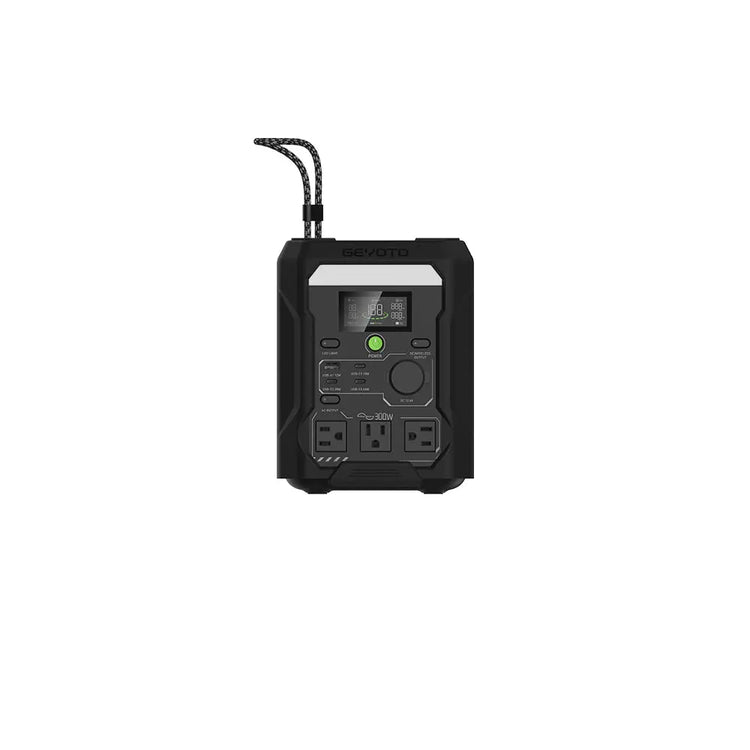
GEYOTO N300 Portable Power Station
The GEYOTO N300 fits light backup needs with 256Wh capacity and 300W output.
Shop GEYOTO N300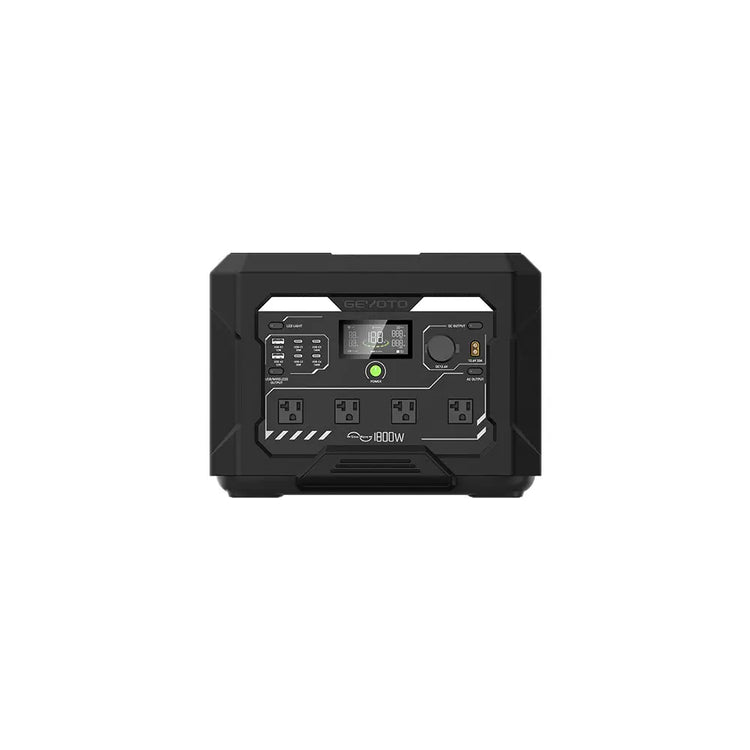
GEYOTO N1000 Portable Power Station
The GEYOTO N1000 fits larger home backup planning with 1024Wh capacity, 1800W output, and fast 0–80% recharge in 43 minutes.
Shop GEYOTO N1000The best size is not the biggest one by default. It is the one that matches your actual devices, outage length, and safe-use plan.
FAQ
What size portable power station do I need for a refrigerator?
A refrigerator usually needs a larger power station than phones, lights, or routers because it has a compressor and may require extra startup power. A 1024Wh unit is a better starting point for refrigerator-focused backup, but you should check the refrigerator’s label and test your setup before relying on it during an outage.
Is a small portable power station enough for a power outage?
A small portable power station can be enough for short outages if your priority is phones, WiFi, LED lights, tablets, and a laptop. It is not the best match for long refrigerator backup, electric heating, or several large devices running together.
What size generator do I need for a power outage?
If you mean a battery-powered portable power station, size it by your essential devices, outage length, and simultaneous load. If you mean a gas generator, make sure it is used outdoors only and sized for the appliances you plan to run.
Is 1024Wh enough for home backup?
A 1024Wh portable power station is a strong direction for essential home backup. It can support a more realistic plan that may include a refrigerator, router, lights, phones, CPAP machine, or multiple small devices, depending on their wattage and how they are used.
Can I use a portable power station indoors?
Yes, a battery-powered portable power station can be used indoors when operated according to the manufacturer’s instructions. Gas generators are different. They should not be used indoors, in garages, or near windows, doors, or vents.