

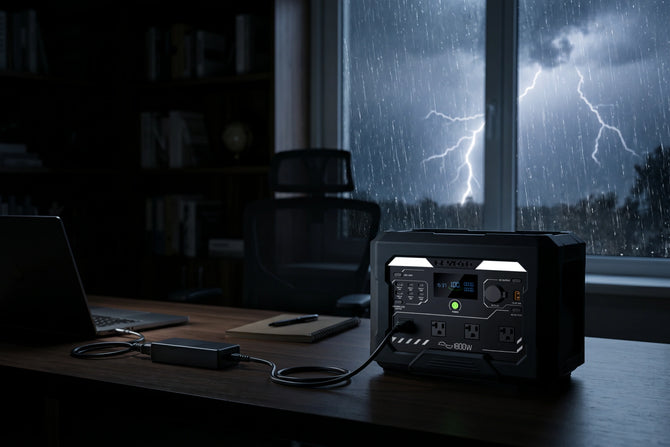




A Summer Power Outage Backup plan should start with essentials: phones, Wi-Fi, refrigerator cycling, CPAP or other health-related devices, LED lights, and a small fan. The goal is not to run the whole home as usual. The smarter approach is to protect communication, food safety, sleep, and basic cooling while avoiding high-draw appliances.

Why Is Summer Power Outage Backup Different From Other Outages?
Summer backup power is different because heat changes the risk. In winter, people may worry about heating. In summer, the first problems are indoor heat, spoiled food, medical-device continuity, and loss of emergency updates.
The CDC warns that power failures in hot weather can be dangerous, especially for older adults, young children, and people with health conditions. A charged phone, a small fan, and working lights support comfort, family contact, and local emergency information.
A portable power station works best as an essentials-first system, not a way to plug in every appliance.
What Should You Keep Running First During a Summer Outage?
Keep the lowest-wattage, highest-value devices running first. Start with communication and health, then protect food, then add comfort devices only when capacity allows.

Communication and Emergency Alerts
Phones, a Wi-Fi router, a modem, a laptop, and a weather radio should be near the top of the list. These devices help you check outage maps, receive storm warnings, contact relatives, and follow local instructions. If backup capacity is limited, run the router in check-in windows instead of continuously.
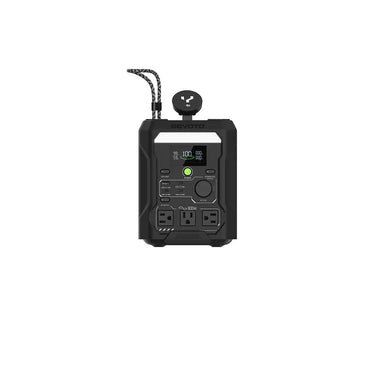
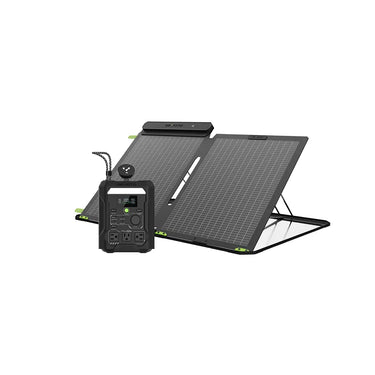
For this role, a compact power station can be enough. The GEYOTO N300, with 256Wh capacity, 300W output, and 9 outlets, fits small-device backup such as phones, laptops, LED lights, Wi-Fi routers, cameras, and short emergency use.

Medical and Health-Related Devices

CPAP machines, rechargeable medical equipment, and medication cooling deserve planning before storm season. Check the label or manual for device wattage, then test it with the backup power source before relying on it overnight.
CPAP users should pay attention to accessories. Heated humidifiers and heated tubing can increase power demand. A lower-power setup may extend backup time, but any change to medical equipment should follow the device provider's guidance.
Refrigerator and Freezer Protection
Food safety is a major summer concern. The FDA says a refrigerator can keep food cold for about 4 hours if the door remains closed, while a full freezer can hold temperature for about 48 hours if unopened. That makes the first rule simple: do not keep opening the door.
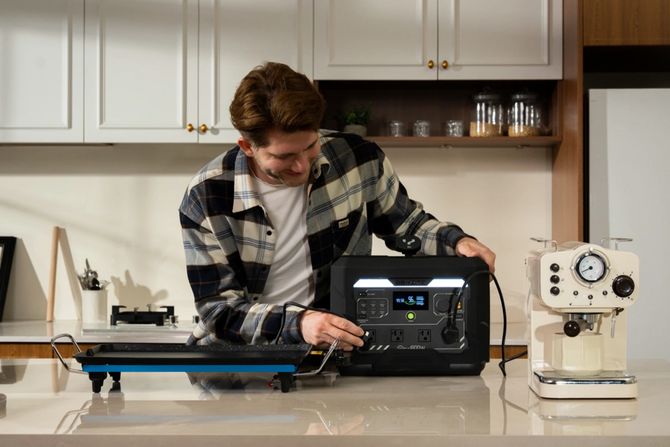
A portable power station is most useful when it supports refrigerator cycling rather than continuous operation. Let the refrigerator stay closed, then run it in planned windows if the outage lasts longer. Before plugging it in, check both running wattage and startup surge.
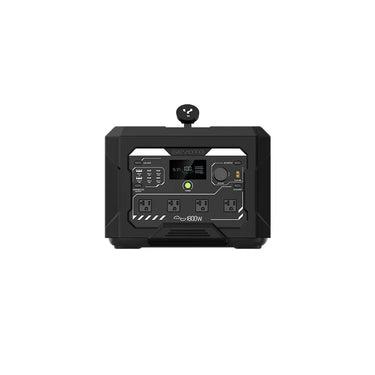
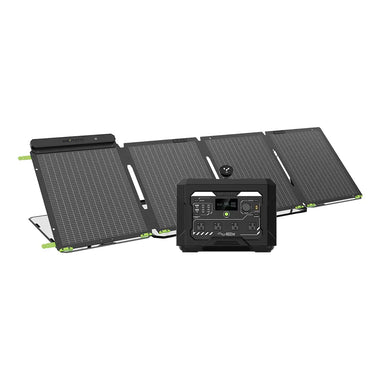
For refrigerator cycling and multiple home essentials, a larger unit such as the GEYOTO N1000 is a better match than a small power bank. Its 1024Wh capacity and 1800W output give it more room for appliances that require higher startup power, as long as the device stays within rated limits.

For refrigerator cycling and multiple home essentials, a larger unit such as the GEYOTO N1000 is a better match than a small power bank. Its 1024Wh capacity and 1800W output give it more room for appliances that require higher startup power, as long as the device stays within rated limits.
Shop GEYOTO N1000Lighting and Basic Cooling
LED lights and small fans provide high value for low energy use. Place LED lanterns in the kitchen, hallway, and bedroom so you do not waste phone battery as a flashlight. A fan can make sleep more comfortable, especially when paired with shade, hydration, and reduced activity.
A fan is not a replacement for air conditioning in dangerous heat. If indoor temperatures become unsafe, move to an air-conditioned public space, cooling center, neighbor's home, or other safe location.
What Should You Avoid Running on Backup Power?
Avoid high-heat and high-draw appliances unless your backup system is specifically rated for them. A summer outage is the wrong time to drain a battery on non-essential convenience loads.
| Device Type | Backup Priority | Why It Needs Caution |
|---|---|---|
| Central AC or large portable AC | Avoid | High continuous wattage and startup demand |
| Ovens, kettles, hair dryers | Low | Heavy wattage for short convenience use |
| Large pumps or power tools | Case by case | Surge demand may exceed output limits |
| Refrigerator or freezer | High | Use cycling and check startup watts |
| Router, phones, LED lights | High | Low draw and high practical value |
| CPAP or health devices | High if needed | Test before outage season |
Knowing what not to plug in is part of good backup planning. GEYOTO's product guidance says devices that exceed the unit's rated output cannot be supported. That applies to any portable power station: capacity matters, output matters, and startup surge matters.
How Much Backup Capacity Do You Need for Home Essentials?
Estimate backup capacity by listing the devices that truly need power, their wattage, and the hours they must run. Watts tell you how much power a device needs at a moment. Watt-hours tell you how much energy the battery stores.
| Outage Scenario | Main Goal | Device Priority | Backup Approach |
|---|---|---|---|
| 1–3 hours | Stay connected | Phones, router, one light | Small power station or power banks |
| Overnight | Sleep and safety | CPAP, phone, LED light, fan | Essential-load battery plan |
| 12–24 hours | Food and communication | Refrigerator cycling, router windows, fan | Larger power station and strict rotation |
| Multi-day | Conserve and recharge | Critical devices only | Battery rotation, solar or car recharge when safe |
A Florida family preparing for afternoon thunderstorms may prioritize a refrigerator, phones, router check-ins, a fan, and bedroom lighting. An apartment renter in Texas may care more about quiet indoor backup for Wi-Fi, CPAP, a laptop, and LED lights because fuel-burning generators are not practical indoors.
How Should You Prepare Before a Summer Storm or Heat Outage?
Charge early, reduce unnecessary loads, and test the exact devices you plan to run. Preparation matters more than the size printed on the box.
Before a storm watch, charge the portable power station, phones, laptops, power banks, rechargeable lights, and weather radio. Put USB-C cables, AC adapters, and CPAP cords in one labeled pouch. Label the router and modem plugs so anyone at home can reconnect them quickly.
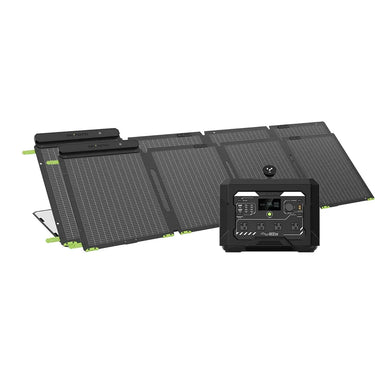
GEYOTO N1000 is relevant for last-minute charging windows because it can recharge from 0 to 80% in 43 minutes and reach a full charge in 68 minutes by AC fast charging. It also offers 18 total ports, including 13 output ports, so a household can connect several essentials without scattering chargers around the home. For longer outages, its up to 800W solar input gives users a recharge path when sunlight and outdoor conditions are safe.
Food preparation also helps. Freeze water bottles, group food together in the freezer, place a thermometer in the refrigerator and freezer, and keep coolers ready.
Is a Portable Power Station Better Than a Gas Generator for Summer Outages?
A portable power station is usually better for quiet indoor essentials. A gas generator is better suited to higher outdoor loads when operated safely and far from the home.
The CDC warns never to use gasoline, propane, charcoal, or fuel-burning equipment inside a home, garage, carport, or near doors, windows, or vents because carbon monoxide can be deadly. Battery power stations do not burn fuel, which makes them more suitable for indoor essentials when used dry, ventilated, and within rated output.
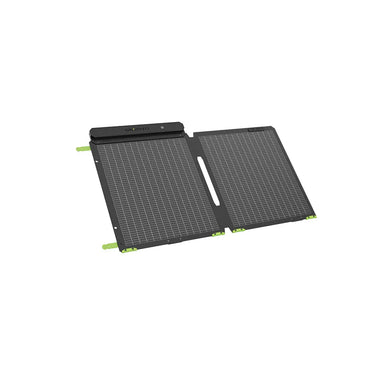
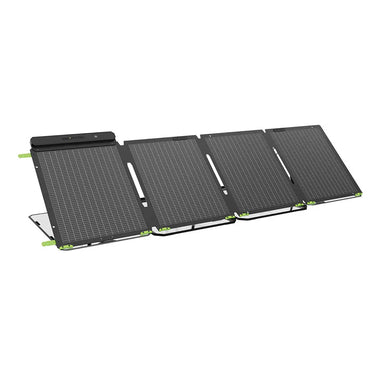
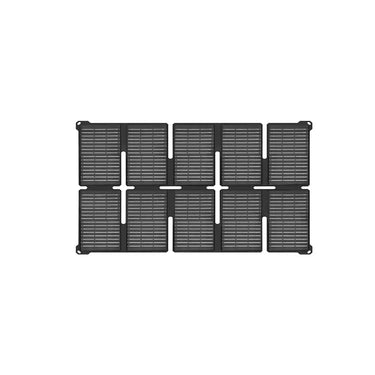
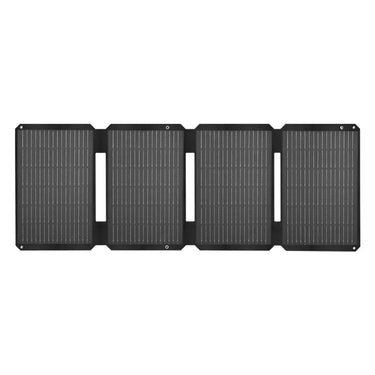
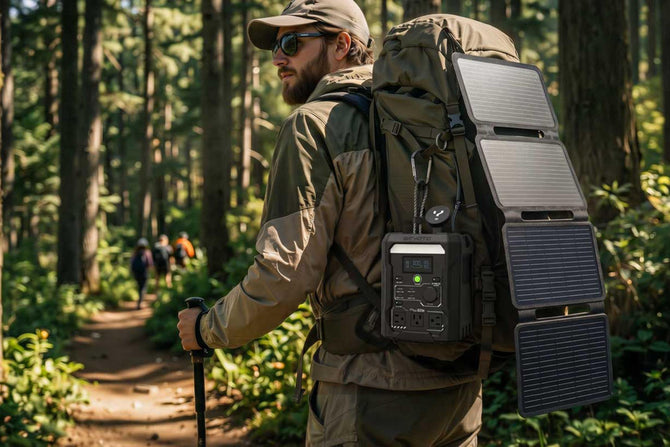
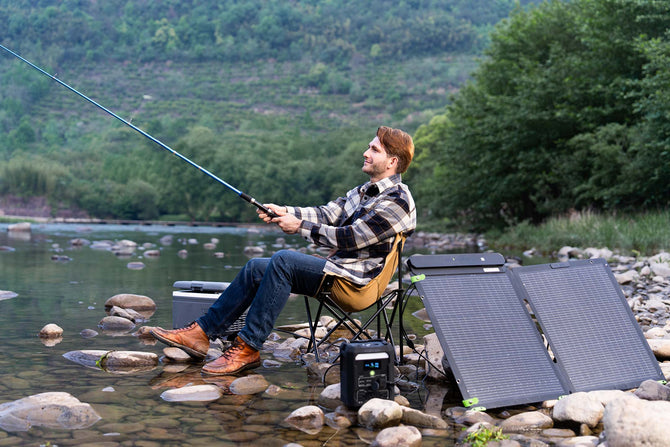
A solar generator kit adds another option after the outage begins. Charge before the storm, then use solar panels only when outdoor conditions are safe. Panels should not be deployed in high winds, flooding, lightning risk, or heavy rain.
Where Does GEYOTO Fit in a Summer Home Backup Plan?
GEYOTO fits best when the plan is quiet, indoor, essentials-first power. N300 works well for communication and light backup. N1000 is better when a household wants to rotate between refrigerator cycling, router access, LED lights, fans, laptops, and CPAP planning within device limits. With 1024Wh capacity, 1800W output, 4,000+ LFP battery cycles, fast AC recharge, and solar input, it should still be sized around the actual device list, not treated as a central-air or whole-home replacement.
What Is a Simple 24-Hour Summer Outage Power Schedule?
Rotate devices instead of running everything continuously. A simple schedule keeps power available when it matters most.
| Time Window | What to Power |
|---|---|
| First hour | Phones, alerts, one LED light, router check-in |
| Morning | Refrigerator cycle, recharge phones, fan as needed |
| Afternoon heat | Fan, phone, medical devices, cooling plan |
| Evening | Router window, lights, CPAP prep, short fridge cycle |
| Overnight | CPAP if needed, one light, phone |
The main idea stays the same: power the device when it serves a safety or practical purpose, then unplug it.
What Should Be in a Summer Outage Power Kit?
A reliable kit should be simple enough to use in the dark: a portable power station, USB-C and USB-A cables, router and modem adapters, CPAP adapter if needed, LED lanterns, weather radio, indoor-rated extension cord, printed device wattage list, refrigerator thermometer, cooler, ice packs, frozen water bottles, and solar charging cables if using panels.
Final Takeaway: What Should Stay Running at Home?
Keep health, communication, food safety, lighting, and basic comfort running first. Phones and emergency alerts come early. CPAP and medical devices need a tested plan. Refrigerators should be managed with door discipline and cycling. LED lights and small fans provide comfort without wasting capacity.
Before the next summer storm or heat-related outage, write down the devices your household truly needs, check their wattage, and choose a backup power source around that list. GEYOTO N300 fits lighter communication backup. GEYOTO N1000 is the stronger option for families planning around refrigerator cycling, router access, lighting, small fans, laptops, and longer essential-device support.
FAQ
Can a portable power station run a refrigerator during a summer outage?
Yes, if the refrigerator's running wattage and startup surge stay within the power station's rated output. Use refrigerator cycling and keep the doors closed.
Can a portable power station run an air conditioner?
Most compact and 1kWh-class portable power stations are not intended for central AC or large portable AC units. Use fans for comfort, and seek an air-conditioned location during dangerous heat.
Should I use solar panels during a storm?
No. Charge before the storm. Use solar panels only after conditions are safe.
What is the first thing to plug in after the power goes out?
Start with phones, emergency communication, medical devices, and one light. Add refrigerator cycling after checking battery level, device wattage, and the likely outage length.


