

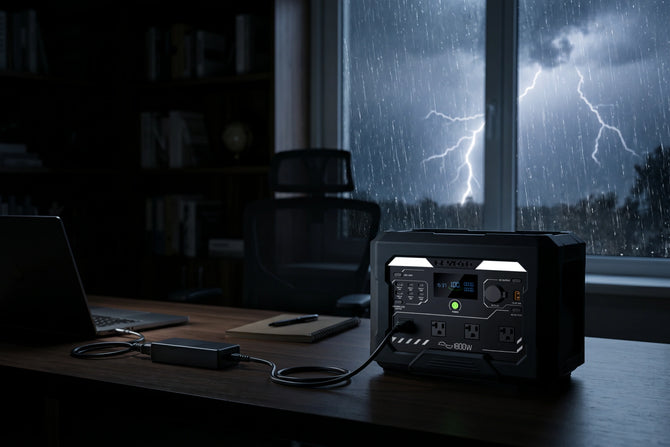




1024Wh on a portable power station means it can store 1,024 watt-hours of energy. In practical home backup use, that capacity can help run essentials such as a refrigerator, WiFi router, LED lights, phones, laptops, fans, or a CPAP machine for hours, depending on each device’s power draw and how many devices are used at the same time.
The number matters because it tells you more than “big battery” or “small battery.” A 1024Wh portable power station sits in a practical middle range: larger than compact camping batteries, but still portable enough for outages, RV use, garage work, and emergency backup planning.

What Does 1024Wh Mean on a Portable Power Station?
1024Wh means the battery can store 1,024 watt-hours of electrical energy. A watt-hour is a measure of energy over time. If a device uses fewer watts, the battery lasts longer. If a device uses many watts, the same battery drains faster.
Think of watt-hours as the size of a water tank. Watts are the flow rate. A large tank can last a long time with a slow flow, but it can empty quickly if the flow is high.
That is why a 1024Wh portable power station may charge phones many times, run a WiFi router through a long outage, or support a refrigerator for a useful backup window. The same battery will not run a space heater or electric oven for long because heat-producing appliances use much more power.
Quick takeaway:
Wh is capacity. W is power draw. A 1024Wh portable power station is best understood as an energy budget for selected home essentials.
Why Is It 1024Wh Instead of Exactly 1000Wh?
1024Wh is not just a rounded marketing number. In battery products, final capacity comes from cell configuration, battery voltage, amp-hour rating, and system design. The number 1024 is also familiar in engineering because it equals 2¹⁰, which makes it a recognizable capacity point in electronics and energy systems.
For a buyer, the practical meaning is more important than the math behind the number. A 1024Wh unit gives you a clearer planning target than a vague “high-capacity” label. You can compare it with your home essentials and ask: which devices must stay on, how much power do they use, and how long do I need backup?
Is 1024Wh the Same as 1024W?
No. 1024Wh and 1024W describe different things.
Wh, or watt-hours, measures stored energy.
W, or watts, measures how much power a device uses at a moment.
A 1024Wh battery tells you about capacity. A 1800W AC output rating, for example, tells you how much load the power station can support through its AC outlets. Both numbers matter. Capacity helps estimate runtime. Output rating helps decide whether the unit can handle the device at all.
This difference is especially important for refrigerators, freezers, pumps, coffee makers, power tools, and other devices that may draw more power when starting than when running normally.
How Long Will 1024 Watt Hours Last?
A 1024Wh portable power station can last from less than an hour to several days depending on what you plug in. A low-power router or LED light may run for a long time. A high-watt appliance can drain the battery much faster.
Real-world runtime is usually lower than the label number because power stations use electronics to convert battery power into AC outlet power. Device behavior also changes the result. A refrigerator cycles on and off. A CPAP machine uses more power with a heated humidifier. A laptop may draw more power during heavy work than while browsing.
The estimates below are planning ranges. For the most accurate result, check the wattage label on your device or use a plug-in watt meter.
| Device | Typical Power Range | Estimated Runtime on 1024Wh | What It Means in a Home Outage |
|---|---|---|---|
| WiFi router | 10–20W | About 40–80 hours | Keeps internet and alerts available |
| LED lamp | 8–15W | About 50–100 hours | Good for safe movement at night |
| Phone charging | Low draw | Many recharges | Keeps emergency communication available |
| Laptop | 45–90W | About 9–18 hours | Useful for remote work or updates |
| Box fan | 40–70W | About 11–20 hours | Helps during warm-weather outages |
| CPAP without humidifier | 30–45W | About 18–27 hours | Better runtime when heat features are off |
| CPAP with humidifier | 60–90W | About 9–13 hours | Heated humidifiers reduce runtime |
| Mini fridge | 60–100W average/cycling | About 8–13 hours | Depends on compressor behavior |
| TV | 70–120W | About 7–12 hours | Better as a limited-use device |
| High-heat appliance | Very high draw | Short runtime | Not ideal for battery backup |
These numbers are not promises. They are decision-making estimates. A newer energy-efficient appliance may use less power than an older one. A device with heat, a motor, or a compressor may behave differently from a simple charger or LED light.
What Can a 1024Wh Portable Power Station Run?
A 1024Wh portable power station is best matched with essential home backup loads: refrigerator cycling, WiFi, phones, laptops, LED lighting, CPAP machines, fans, and small electronics. It is not meant to replace whole-home power.
That distinction matters. During a blackout, the goal is usually not to live exactly as if the grid were still on. The goal is to protect food, stay connected, keep medical routines stable, and maintain basic comfort until power returns.
- For communication: phones, routers, and laptops are efficient uses of stored energy.
- For safety: LED lamps use very little power and are easy to support.
- For food protection: refrigerators can be supported, but startup surge and cycling behavior matter.
- For sleep and health routines: CPAP runtime depends heavily on humidifier and heated tube settings.
- For comfort: fans are usually more practical than air conditioners on a portable battery.
A 1024Wh power station is strongest when you choose a focused load list instead of plugging in everything at once.
Best matched with essential home backup loads
Refrigerator cycling, WiFi, phones, laptops, LED lighting, CPAP machines, fans, and small electronics.
Why Refrigerator Runtime Is Different From Simple Math
A refrigerator does not run at full draw every minute. It starts, cools, rests, and starts again. This is called cycling. Because of that behavior, refrigerator backup planning is different from charging a phone or running a lamp.
A refrigerator may use a higher amount of power when the compressor starts, then use less while running, then drop very low while resting. In mild indoor conditions, a refrigerator may run only part of each hour. In a hot kitchen, with frequent door openings, or after warm food is added, it may run more often.
What Is Duty Cycle?
Duty cycle describes how much time a device is actively running. A refrigerator with a lower duty cycle uses less energy over time than its running wattage might suggest. This is why a simple “watts x hours” estimate can be misleading for refrigerators.
For example, a fridge label may show a running load, but the actual average over several hours depends on room temperature, how often the door opens, how full the fridge is, and how efficient the model is. A more realistic backup plan looks at both the refrigerator’s power rating and how it behaves in normal use.
Why Starting Watts Matter
Motor-based appliances can need extra power when they start. This short burst is often called surge wattage or starting watts. A portable power station must be able to handle that startup moment before runtime even matters.
This is why a small battery pack may look large enough on paper but still struggle with a refrigerator. The question is not only “how long will it run?” The first question is “can it start the load safely?”
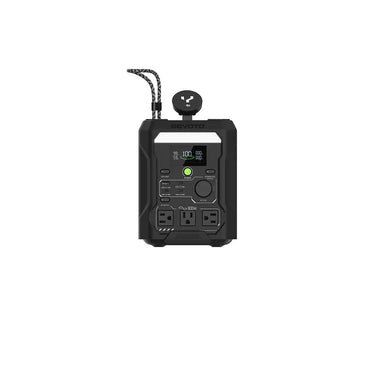
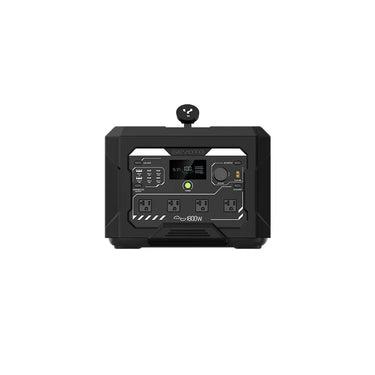
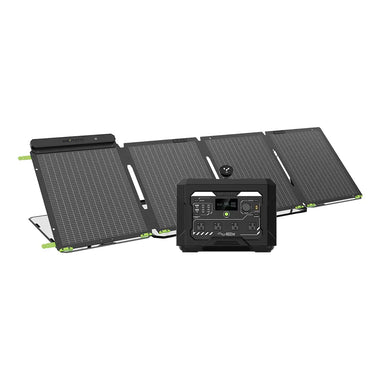
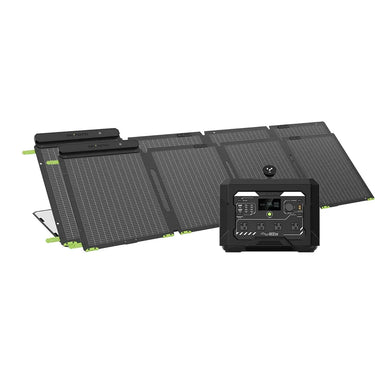
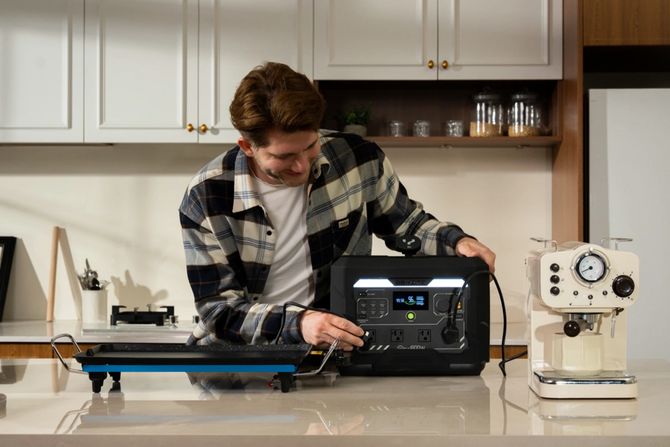
For home backup, a model such as the GEYOTO N1000 is a better fit than small power banks because it combines 1024Wh capacity with strong AC output for household essentials. That makes it more suitable for refrigerator backup planning, WiFi, lights, phones, CPAP support, and short-term emergency use.
Can a 1024Wh Portable Power Station Get a Household Through the Night?
A 1024Wh portable power station can support many overnight essential setups, but it depends on which devices you choose. The best plan is to separate “must-have” devices from “nice-to-have” devices.
Imagine a summer storm knocks out power at 10 p.m. You want to keep the refrigerator cold, charge two phones, keep a WiFi router online, run one LED lamp, and support a CPAP machine overnight. That is a realistic home backup scenario, not a whole-home replacement scenario.
| Nighttime Setup | Estimated Load Behavior | Estimated Runtime Range | Best Use Case |
|---|---|---|---|
| Router + phones + LED light | Low continuous/intermittent draw | Long overnight support | Communication and safety |
| Refrigerator + router + LED light | Cycling + low draw | About 8–14 hours | Food protection plus basic connection |
| CPAP without humidifier + phone + router | Moderate draw | About 9–16 hours | Sleep support and communication |
| Refrigerator + CPAP + router + light | Mixed essential load | About 5–8 hours | More demanding overnight backup |
| Refrigerator + TV + multiple devices | Higher combined load | Shorter runtime | Use only if capacity remains |
The most efficient approach is to run essentials first, then add comfort devices only when you know how much capacity remains. A heated CPAP humidifier, a large TV, or several devices charging at once can shorten runtime quickly.
How Fast Recharging Changes Home Backup Planning
Fast recharging changes the way you use a portable power station during rolling outages. Runtime tells you how long the battery lasts once. Recharge speed tells you how quickly you can prepare for the next outage window.
This matters during storm recovery. Sometimes power returns for a short period before going out again. In that window, a slow-charging unit may not recover enough capacity to be useful. A faster-charging 1024Wh power station can restore a large portion of its battery while the grid is available.
GEYOTO N1000 is designed around this type of home backup use. It offers 1024Wh capacity, 1800W AC output, and can recharge to 80% in about 43 minutes. For users focused on refrigerator backup, WiFi, lights, phones, and CPAP support, that charging speed can make the unit easier to rotate through repeated outage periods.
If your main concern is keeping essentials available rather than powering an entire home, compare your device list with the GEYOTO N1000 1024Wh portable power station before choosing a backup setup.

What Should You Not Run on a 1024Wh Portable Power Station?
A 1024Wh portable power station is not designed to run every appliance in a house. It works best when reserved for essentials.
Avoid treating it as the main power source for:
- Space heaters
- Electric ovens
- Large air conditioners
- Long microwave sessions
- Large well pumps unless output and surge are verified
- Multiple high-watt appliances at the same time
These loads either drain the battery quickly, require high startup power, or create unrealistic expectations for a portable backup unit. If a device produces heat, cools a large space, or uses a large motor, check both running watts and starting watts before plugging it in.
The better strategy is simple: keep food cold, stay connected, keep key medical devices available, and use low-power lighting.
How Should You Choose Devices During an Outage?
Start with the devices that protect safety, food, communication, and health routines. After that, add comfort devices only if the remaining capacity allows it.
| Priority | Device Type | Why It Comes First |
|---|---|---|
| 1 | Medical device such as CPAP | Supports essential sleep and health routines |
| 2 | Phone | Emergency calls, weather alerts, family contact |
| 3 | Refrigerator/freezer | Helps protect food during longer outages |
| 4 | WiFi router | Keeps information and communication available |
| 5 | LED light | Improves safety at night |
| 6 | Fan | Adds comfort during warm outages |
| 7 | Laptop or TV | Useful, but not always essential |
Food safety deserves special attention. During a power outage, refrigerator doors should stay closed as much as possible. Many food safety guidelines use a short safety window for refrigerated food when power is out, so a backup power plan can help extend your response time and reduce waste. A portable power station does not replace safe food handling, but it can support your refrigerator during the period when cold storage matters most.
Is a 1024Wh Portable Power Station Enough for Home Backup?
Yes, 1024Wh is often enough for essential-device backup. It is not enough for unrestricted whole-home power.
Choose a 1024Wh portable power station if your backup list includes:
- Refrigerator or freezer support
- WiFi router and phones
- LED lights
- CPAP machine
- Laptop
- Small fan
- Short-term storm preparation
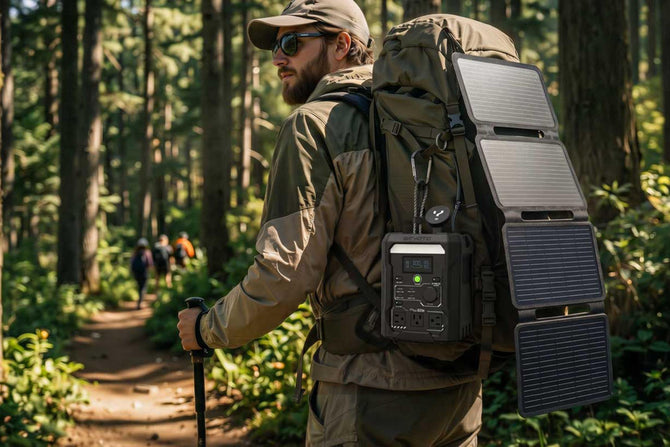
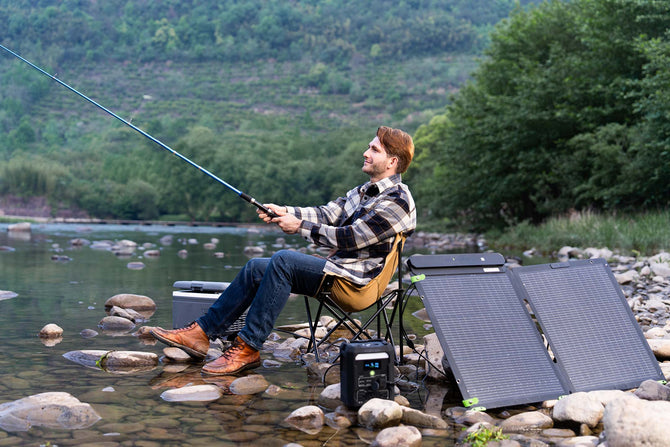
- RV or garage power needs
Consider a larger backup system if you need to support multiple refrigerators, large air conditioning, electric cooking, a well pump, or multi-day whole-home power. Those needs require a different level of planning.
For many U.S. households, the practical value of 1024Wh is balance. It offers enough stored energy for important essentials, but it is still easier to move, store, recharge, and use than a large fixed backup system.
Quick Checklist Before Choosing a 1024Wh Portable Power Station
Before buying, check the devices you truly plan to use during an outage. A clear list prevents overbuying, underbuying, and unrealistic runtime expectations.
Use this checklist:
- Check the wattage label on each appliance.
- Separate running watts from starting watts.
- Decide which devices must run at the same time.
- Treat heat-producing appliances as high-drain loads.
- For CPAP use, note whether you use a humidifier or heated hose.
- Use LED lighting instead of high-watt lamps.
- Keep refrigerator and freezer doors closed during outages.
- Plan for repeated outages by checking recharge speed.
- Choose a unit with enough AC output for motor-based devices.
- Match your backup plan to real household priorities, not every appliance you own.
A 1024Wh portable power station becomes more useful when the plan is specific. “Power my home” is too broad. “Run the fridge, router, one lamp, phones, and CPAP overnight if possible” is the kind of plan that leads to a better choice.
Final Answer: What Does 1024Wh Mean for Home Backup?
1024Wh means a portable power station stores enough energy to support selected household essentials during a power outage. It is most useful for devices that protect food, communication, lighting, work, sleep, and basic comfort.
The number does not mean unlimited power. It means you have a defined energy budget. The way you spend that budget matters. A refrigerator with a cycling compressor behaves differently from a space heater. A CPAP machine without a humidifier lasts longer than one with heat settings on. A router and LED light use far less energy than a microwave or large air conditioner.
For home backup, 1024Wh is a practical size for users who want a dependable middle ground: more capable than a small power bank, easier to manage than a whole-home battery system, and well suited for outage essentials.
If your outage plan starts with keeping food cold, staying connected, and powering the basics overnight, the GEYOTO N1000 1024Wh portable power station is a practical model to review. Compare your refrigerator, CPAP, router, lights, phone chargers, and other essential devices with its capacity and output before building your backup setup.


