

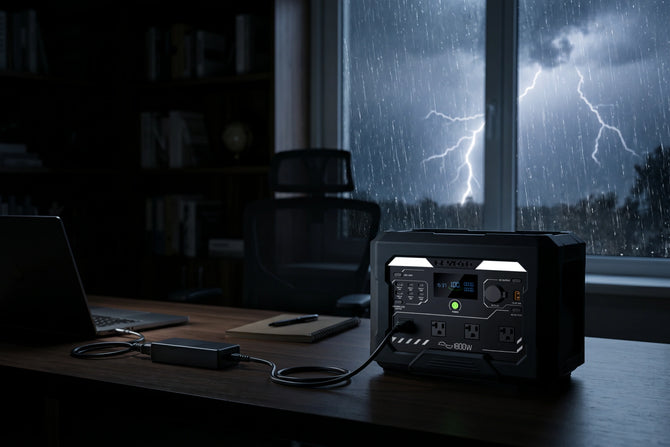




Unannounced urban emergencies disrupt daily activities, causing families to shelter in place and rely heavily on household devices. These situations include warehouse fires, smoke emergencies, and air quality emergencies. The recent warehouse fire in Los Angeles serves as a perfect example that the need for emergency preparedness in urban areas extends beyond only wildfire and hurricane zones.
This Los Angeles warehouse fire emergency guide explains the situation, describes why smoke emergencies should be taken seriously, and includes shelter-in-place tactics along with backup power procurement for essential devices.

Click the image to shop now
Overview Of The Los Angeles Warehouse Fire
The recent warehouse fire in Boyle Heights, Los Angeles, highlights the need for smoke and air quality emergency kits for safety measures. The incident was reported as a wide hazardous incident that emergency crews had to contain, and security personnel had to instruct residents to shelter in place. Those in the incident area were told to keep a distance and close all windows immediately for safety concerns.
Although smoke and air emergencies should be contained as fast as possible, this fire demonstrated how fast an urban emergency can disrupt even the most unaffected of households, and cause reliance on emergency preparation and supplies even for households miles away.
This emergency makes it evident that planning for smoke emergencies is necessary for household safety and security.
Importance Of Smoke Emergencies
Smoke emergencies quickly disrupt daily activities, especially for those household members who are the most vulnerable.
Some groups of people and animals may experience more discomfort during prolonged smoke events. These groups include children, the elderly, and youths who do not get themselves exposed to smoke or air pollution. In fact, people who are not nearby may be forced to stay indoors because smoke particles with strong odors can make outside activities dangerous.
Some effects people may experience during smoke events include:
- The quality of air indoors becomes poor.
- Outdoor activities become limited.
- There is a greater need to depend on air purifiers and fans.
- Emergency alerts are monitored more frequently.
- There is a greater need to depend on phone and internet services.
- The changing smoke emergency causes more anxiety.
Due to these, people need to stay in place during a smoke alarm.
Emergency kits for sheltering in place
When smoke emergencies take place and notice is given, it is essential to have emergency supplies in your home to help ease the situation and provide some comfort.
Some items that should be in a smoke emergency supply kit are:
- N95 masks in case you need to go outside.
- Food and water.
- A light source with batteries.
- An emergency radio with batteries.
- A first aid kit with medicine.
- An air purifier.
- Thus, portable power stations to help power electronics.
These supplies should be stored somewhere easy to access and easy to check. Changing lapsed supplies, plugging batteries, and doing a regular check on tools should be a priority for the utmost emergency kits.
Provided, power outage emergency kits can keep your household safe from smoke emergencies.
Shelter-in-Place Advice for Smoke Emergency Concern
When officials say to shelter in place:
- Keep all windows and outside doors locked and closed.
- Seal all gaps where outside air can get through.
- Air purifiers should be used if they are available.
- Do not use candles or other equipment that may worsen the quality of your air.
- Keep your phone charged and stay put for immediate emergency updates.
- Put in place backup lighting in the event in case a power shortage occurs.
Smoke Emergency Situations: Why Backup Power is Important
Among the most important things people forget about smoke emergency preparedness is backup power. Even if the power grid is still functional and working, people rely on more important everyday electronics such as:
- Smartphones are used for important communication during an emergency.
- Emergency radios.
- LED lights that allow safe navigation in the dark.
- Air purifiers and small fans.
- CPAP machines.
- Fridges that keep medication cool.
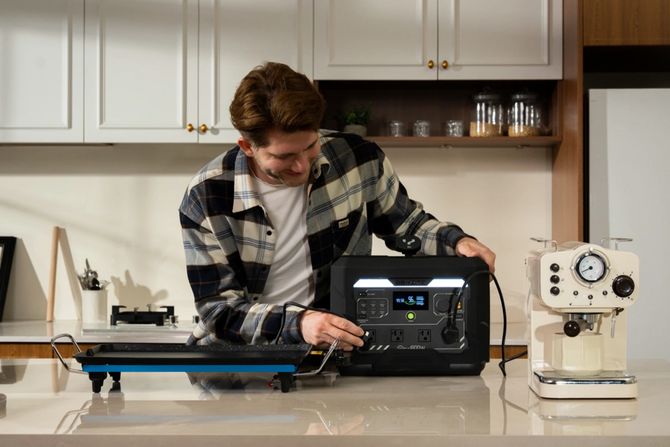
A portable power station for emergencies allows a safe and quiet way to keep power for these important devices.
Whereas other devices may be offline, many families may be more concerned with the power supply to critical electronics until the emergency is over.
Portable Power for Immediate Emergency Preparedness
For small, light uses, a portable power source may be a good temporary solution to an emergency.
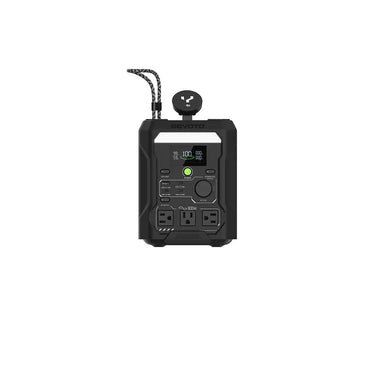
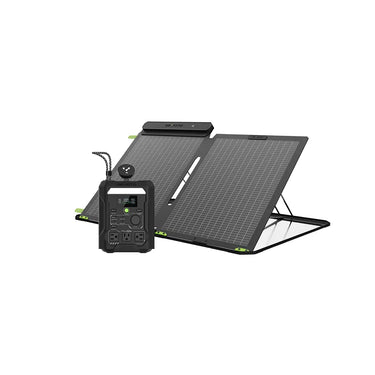
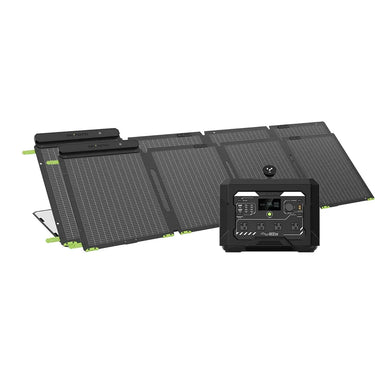
The GEYOTO N300 Portable Power Supply is good for small electronics that do not require too much power, like phones, laptops, small LED lights, Wi-Fi routers, and small cameras. Easy to pack away in an emergency closet.


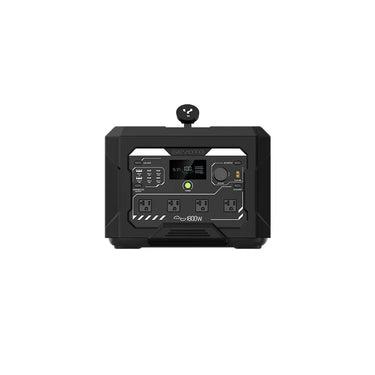
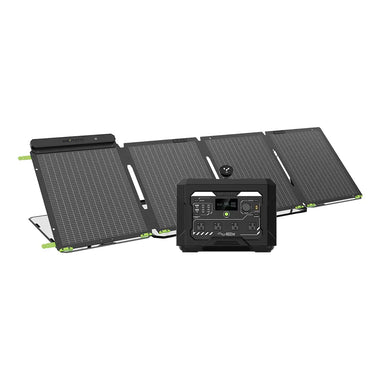
Longer power disruptions may require a larger supply that can power more electronics. The GEYOTO N1000 has a greater power supply to help sustain disruption longer and can power routers, lights, TVs, CPAP machines, air purifiers, a mini fridge, and more.
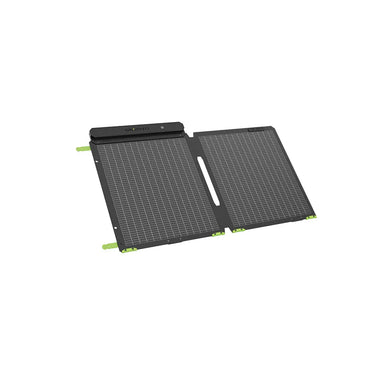
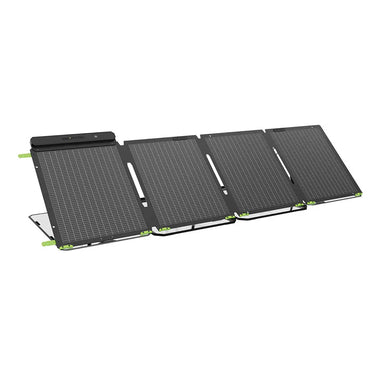
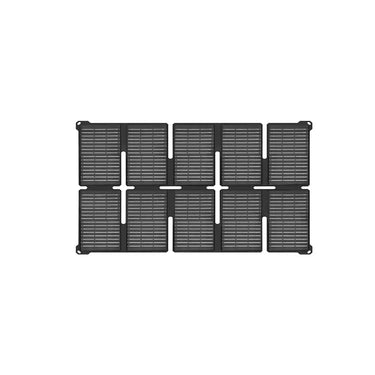
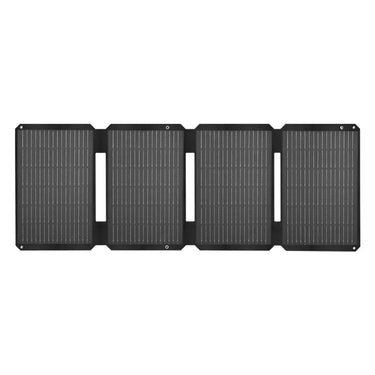
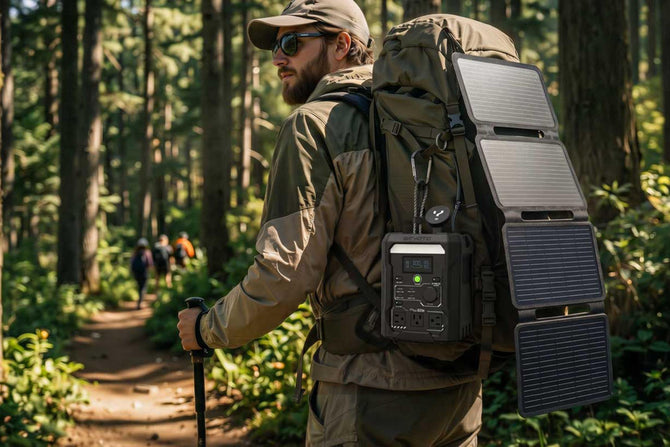
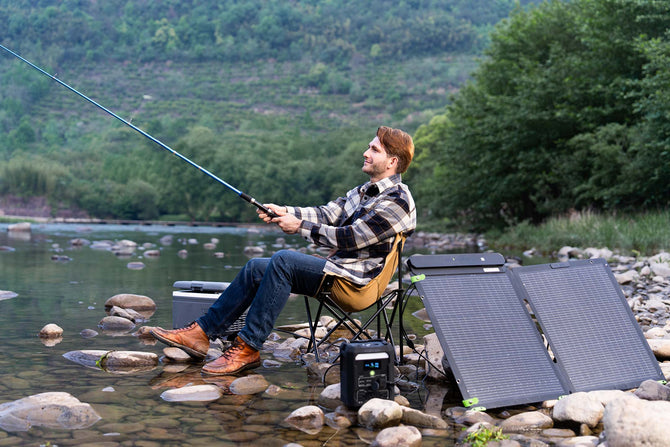
The idea is not to fully replace a whole home generator, just to keep the valuable and necessary electronics accessible. For longer solar generator kits may be used if emergency authorities allow outdoor activities and the situation is safe.
The Backup Power Safety Reminders
Safety is a crucial component when using emergency generator equipment. Take note:
- Avoid using Gas generators indoors.
- Fuel generators must never be used in garages or other enclosed spaces or near doors and windows.
- Portable power stations must never be used beyond their rated output.
- Solar panels must never be used in active fire conditions, or areas of heavy smoke or strong winds, or emergency restricted areas.
- Power stations must be kept dry and away from excessive heat.
- Follow equipment instructions for safe usage.
Choosing the right equipment is mandatory, but knowing its safe usage is necessary for my safety measures. Yet, stay put to the official emergency notices, while fake alerts can go widespread in the media.
To keep the highest level of safety, use social media the least, and instead, check:
- Local emergency management
- City notifications
- Fire department alerts
- Air-quality notifications
- Local news
- Emergency radio
Informed families help make the best decisions and respond correctly to changing situations.
Final Thought
The Los Angeles warehouse fire shows that emergency preparation should not be about planning for the worst, but for the unexpected.
Smoke will interrupt normal routines and communications, will help you access everyday services and make them available, and will make certain services and devices harder to get. Having a shelter-in-place emergency kit, along with the best air safety solutions and backup power for emergencies, will help you the most during tough times.


