

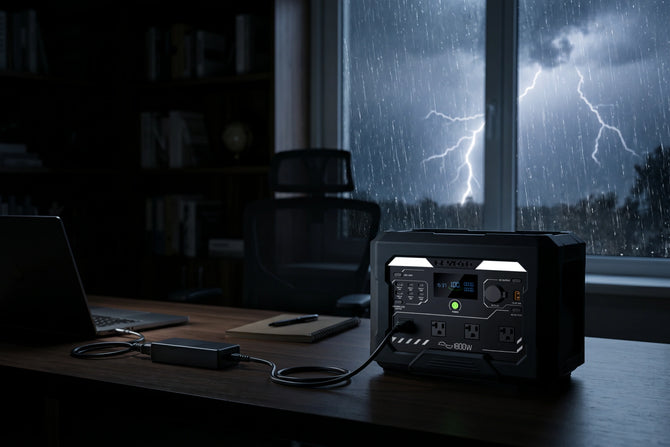




A hurricane season home backup timeline helps your household know what to do before the season starts, when a hurricane watch is issued, during the first hours without power, through the first night, and after the storm passes. The core answer is simple: prepare the home layout first, charge and stage backup power before landfall, use electricity in short planned windows, then reconnect and recharge only after checking for water or electrical damage.
This approach is different from a general power outage checklist. A checklist tells you what to buy or pack. A timeline tells you when to move equipment, where to place it, who handles each task, and how to avoid wasting battery power during a stressful night.
For households in Florida, Texas, Louisiana, the Carolinas, Georgia, and other hurricane-prone areas, the goal is not to run a home normally during a grid outage. The better goal is to keep communication, lighting, food safety, health-related devices, and basic comfort organized enough that the family can make calm decisions.

Click the image to shop now
How Does a Hurricane Season Home Backup Timeline Work?
A hurricane season home backup timeline works by turning storm preparation into clear household stages. Each stage has a different job: setup, staging, active outage use, overnight management, and recovery.
NOAA encourages people to prepare before hurricane season and understand what to do before, during, and after a storm. That same idea applies to backup power. Most mistakes happen because families wait until the outage begins: cables are missing, phones are not charged, the router adapter is in another room, or the power station is still stored in a closet.
A practical timeline fixes that by answering these questions early:
- Where will backup power equipment be placed?
- Which room becomes the family charging area?
- Who checks the power station and cables?
- Which devices stay unplugged unless needed?
- What changes after the first two hours without power?
- What needs to be inspected before recharging after the storm?
Think of the timeline as a household operating plan, not a product list. The power station is only one part of the system. Placement, labeling, timing, and safe use matter just as much.
What Should You Set Up Before Hurricane Season Starts?
Before hurricane season starts, create a fixed backup power area and test it once under normal conditions. The setup should be simple enough that another family member can follow it without asking where everything is.
Choose a dry indoor location that is easy to reach but away from windows, exterior doors, and any area that may flood. A utility shelf, hallway cabinet, or living-room corner can work if it stays clear and accessible.
Place these items together:
- Portable power station
- Phone charging cables
- USB-C and AC adapters
- Router and modem power adapters
- Rechargeable LED lights
- Weather radio
- Small power banks
- Flashlight batteries
- Printed emergency contacts
- A short written power plan
- Extension cord only if it is rated for the intended use
Label the plugs that matter. A simple label like "router," "modem," "CPAP," "lamp," or "phone station" reduces confusion when the lights are out. If a device has a special adapter, tape a small tag to the cord.
How Should You Test the Backup Area?
Test the backup area by simulating a short outage for communication and lighting devices. You do not need to shut down the whole house.
A useful test takes about ten minutes:
- Plug the router and modem into the backup setup.
- Confirm that internet service stays active.
- Charge two phones at the same time.
- Turn on one LED light in the hallway.
- Check that every cable is stored in the same area afterward.
- Write down anything missing.
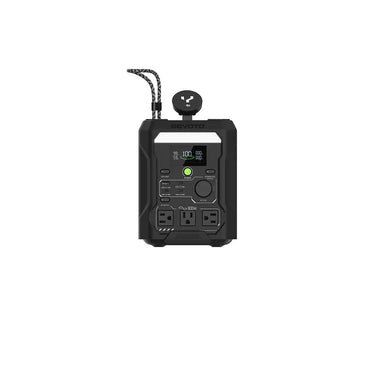
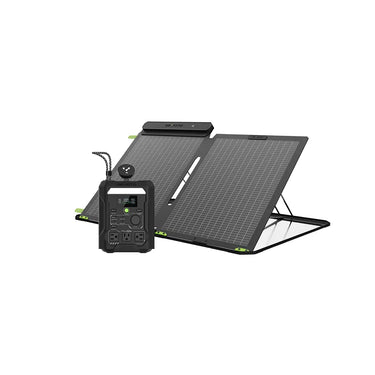
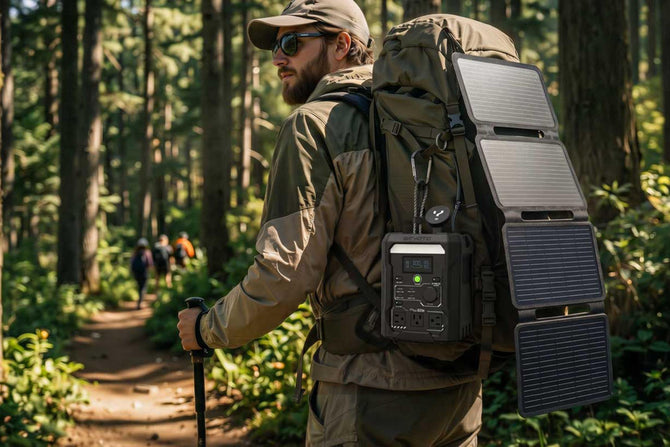
For small-device backup, a compact unit such as the GEYOTO N300 fits the communication zone because it is designed around a 256Wh capacity and 300W output for phones, laptops, LED lights, Wi-Fi routers, cameras, and similar electronics.

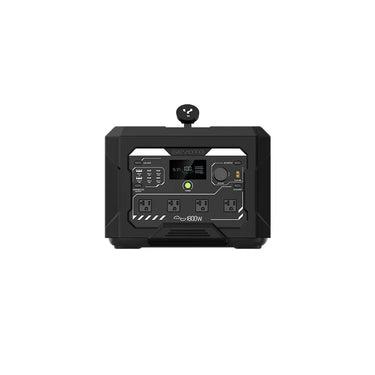
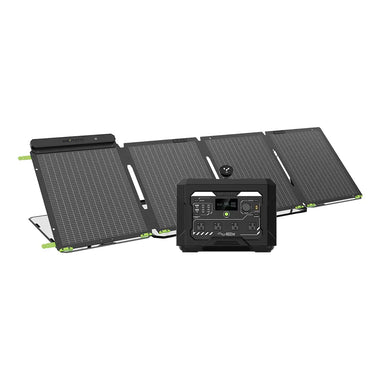
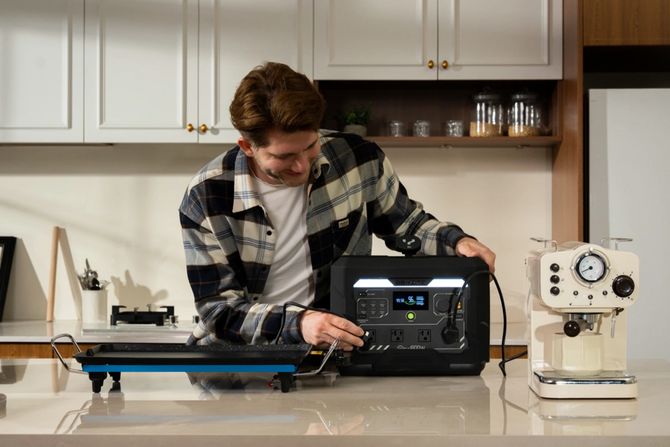
For a larger home backup station, the GEYOTO N1000 is better suited to a central area because it provides 1024Wh capacity and 1800W output for more demanding essential-use scenarios.
The point is not to decide every runtime in advance. The point is to know which outlet, cable, and room will be used when the outage starts.

What Should You Do When a Hurricane Watch Is Issued?

Click the image to shop now
When a hurricane watch is issued, move from storage mode to staging mode. The backup equipment should leave the closet and move to its planned dry indoor location.
Start with a household check:
- Charge the portable power station.
- Charge phones, power banks, and rechargeable lights.
- Move cables into the charging area.
- Confirm the weather radio works.
- Save local emergency contacts offline.
- Download maps or documents that may be needed without internet.
- Keep evacuation items near the exit if local officials issue instructions.
This is also the time to check whether your home backup plan matches the storm situation. A short outage may only require communication and lights. A longer outage may require scheduled charging windows, refrigerator monitoring, and more careful battery use.
GEYOTO N1000's fast AC charging is useful in this stage because it can charge from 0% to 80% in about 43 minutes under supported conditions. That matters when a storm track changes and the home needs to move from normal routine to backup mode quickly. It should still be charged before conditions become unsafe.
What Should Each Person in the Household Do?
Each person should have a clear job before the storm arrives. This reduces repeated questions and keeps important tasks from being missed.
| Person or Role | Task | Why It Helps |
|---|---|---|
| Adult 1 | Charge and stage backup power | Keeps the power system ready |
| Adult 2 | Prepare food, cooler, and refrigerator thermometer | Supports food safety decisions |
| Older child or teen | Gather cables, lights, and power banks | Keeps small devices organized |
| Medical device user or caregiver | Confirm device cable and overnight plan | Protects health-related needs |
| Everyone | Charge phones and save emergency contacts | Keeps communication available |
A timeline works best when it feels boring before the storm. If every person knows their role, the household has fewer decisions to make later.
How Should You Arrange Your Home the Day Before Landfall?
The day before landfall, arrange your home by rooms, not by devices. Room-by-room preparation makes the backup plan easier to follow when the power goes out at night.
A family in a Gulf Coast single-story home, for example, might set up the living room as the communication area, the kitchen as the food-safety area, one hallway as the lighting route, and the main bedroom as the overnight comfort area. A renter in a Florida apartment may use a dry hallway shelf as the central backup zone and keep a smaller device near the bed for phones and lighting.
| Area | What to Place There | Why It Helps |
|---|---|---|
| Kitchen | Refrigerator thermometer, cooler, one LED light | Food checks and safe movement |
| Living room | Weather radio, phone charging station, printed contacts | Family updates and communication |
| Bedroom | CPAP cable if needed, small fan, low light | First-night comfort and safety |
| Entryway | Go-bag, documents, power bank | Evacuation readiness |
| Dry indoor corner | Power station, labeled cables, adapter pouch | Backup power control center |
Ready.gov recommends keeping refrigerators and freezers closed during outages, so the kitchen setup should reduce unnecessary door openings. Put a small light nearby so no one opens the refrigerator just to use its interior light.
If you plan to use portable solar panels after the storm, keep them packed and protected before landfall. Do not place panels outdoors during high wind, heavy rain, or flooding.
What Should Change in the First Two Hours After the Power Goes Out?
In the first two hours after power goes out, confirm safety, preserve cold air, and avoid plugging everything in at once. This first window sets the pattern for the rest of the outage.
Do these steps in order:
- Confirm everyone is safe and away from windows or water intrusion.
- Check local alerts by phone, radio, or mobile data.
- Turn on only the lighting needed for safe movement.
- Keep refrigerator and freezer doors closed.
- Charge phones in short sessions if battery levels are low.
- Wait before running comfort devices unless heat or health needs require them.
- Watch for signs of flooding, wet outlets, or damaged cords.
This is not the moment to test every appliance. It is the moment to stabilize the home.
If the outage may be short, save the larger backup system for later. If the outage appears widespread, start using planned charging windows. For example, the family may run the communication zone for 20 to 30 minutes, check alerts, send messages, then turn nonessential devices off again.
How Should the Backup Power Station Be Used at This Stage?
Use the backup power station as a control point, not as an open outlet strip. Keep it in one dry location and bring devices to it when possible.
GEYOTO N1000 with 13 output ports available for device use. That can support multiple essential devices, but the safer habit is still to connect only what needs power at that moment. More ports should mean more flexibility, not uncontrolled charging.
How Should You Manage the First Night Without Grid Power?
The first night without grid power should be managed around sleep, communication, low lighting, and health-related needs. Nighttime is when poor planning becomes most noticeable.
Before bedtime, charge phones enough for overnight use, then unplug them. Keep one phone in low-power mode for alerts. Place one LED light in a hallway or near the bathroom. Avoid bright room lighting unless needed; low lighting reduces battery use and helps people rest.
If the household uses a CPAP machine or another health-related device, reserve backup power for that need first and follow the device provider's guidance. Test the setup before hurricane season, including the correct cable and placement near the bed.
A small fan can be useful in a warm bedroom, but it should be used where people are sleeping, not as a whole-room cooling plan. If the internet is still active, run the modem and router only during check-in windows instead of leaving them on all night.
A simple first-night routine might look like this:
| Time | Household Action | Backup Power Action |
|---|---|---|
| Early evening | Check alerts and message family | Run phone and router charging window |
| Before bed | Set hallway light and prepare medical devices | Reserve power for overnight needs |
| Overnight | Keep one phone available for alerts | Avoid unnecessary charging |
| Early morning | Recheck outage status and weather updates | Restart communication window |
This approach keeps the home calmer. It also prevents the common problem of using too much backup power during the first evening.
What Should You Check Before Recharging After the Storm?
After the storm passes, check for water, damaged cords, wet outlets, and unsafe outdoor conditions before recharging anything. Recovery is still part of the backup timeline.
Start indoors. Look for water near outlets, extension cords, power strips, appliances, or the backup power station. If any area is wet, damaged, or smells burned, do not reconnect devices there. Leave electrical inspection to qualified help if the home has flooding or visible electrical damage.
Fuel-powered generators require strict outdoor use because they produce carbon monoxide. The CDC warns that generator exhaust can be deadly, and generators should never be used inside a home, garage, balcony, crawl space, or near windows and vents. Battery-based portable power stations do not create exhaust during use, but they still need to be kept dry, ventilated, and operated within their rated limits.
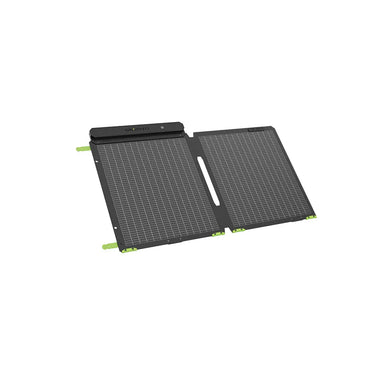
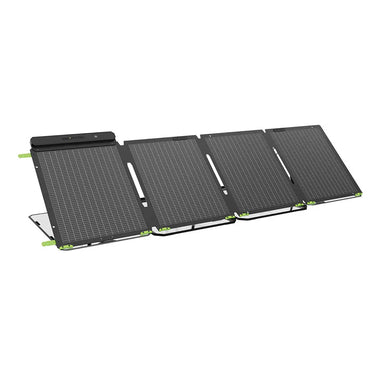
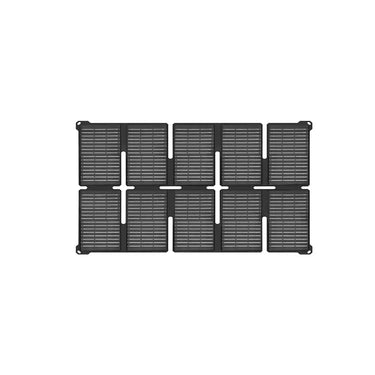
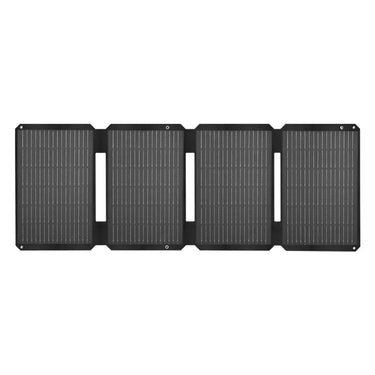
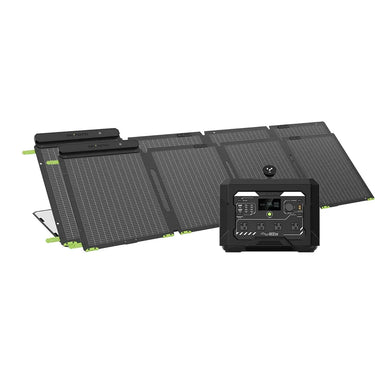
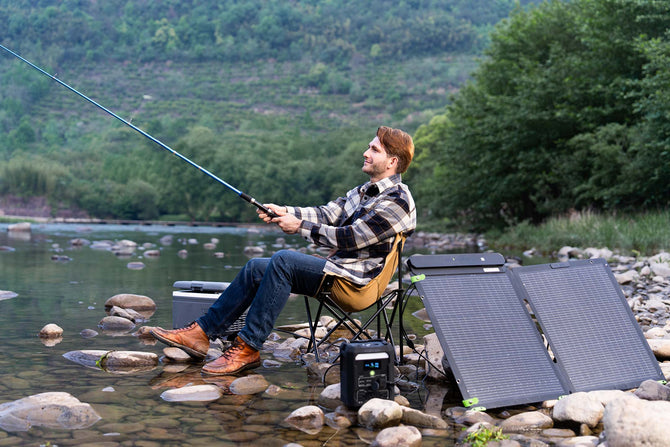
If sunlight and outdoor conditions are safe, solar recharging can support recovery. GEYOTO solar generator kits pair power stations with portable solar panels for emergency, household, RV, and outdoor scenarios. Solar charging depends on sunlight, panel position, shade, weather, and input limits, so it should be treated as a support method rather than a fixed guarantee.

Click the image to shop now
What Is the Complete Home Backup Timeline Checklist?
A complete home backup timeline should show what happens at each stage, who acts, and how backup power changes. Keep this checklist printed near your backup area.
| Timeline | Household Action | Backup Power Action |
|---|---|---|
| Before season | Label plugs, store cables, test setup | Keep power station charged and accessible |
| Hurricane watch | Move equipment to a dry indoor zone | Top off power station, phones, lights |
| Day before landfall | Set room-by-room backup areas | Prepare kitchen, bedroom, and communication zone |
| First 2 hours outage | Confirm safety and alerts | Power communication first, avoid overload |
| First night | Protect sleep, health needs, and low lighting | Use backup power in short windows |
| After storm | Inspect water and electrical risks | Recharge only when conditions are safe |
This checklist can sit beside your portable power station, inside a pantry door, or in a storm folder with insurance documents and emergency contacts.
FAQ
▶ What is a hurricane season home backup timeline?
A hurricane season home backup timeline is a staged household plan for setting up, using, and safely recovering backup power before, during, and after a hurricane-related outage. It focuses on timing, room layout, family roles, and safe power use.
▶ When should I move my power station into place?
Move it when a hurricane watch is issued or when local forecasts show a realistic outage risk. Do not wait until wind and rain make movement unsafe.
▶ Should I keep my refrigerator plugged into backup power the whole time?
No. The better approach is to keep the door closed, monitor temperature, and use backup power only when needed. FoodSafety.gov states that a refrigerator can keep food safe for up to four hours during a power outage if the door stays closed.
▶ Where should a portable power station be placed during a storm?
Place it in a dry indoor location away from windows, doors, wet floors, and flood-prone areas. Keep the cables organized nearby and avoid creating tripping hazards.
▶ Can I recharge with solar panels right after a hurricane?
Only if outdoor conditions are safe. Wait until wind, rain, flooding, and debris risks have passed. Keep panels dry during the storm and set them up later in clear, stable conditions.
Final Takeaway
A hurricane season home backup timeline is not about powering everything. It is about preparing the home so the right devices are in the right rooms at the right time. Set up the backup area before the season, move equipment into place when a watch is issued, arrange rooms before landfall, manage the first two hours carefully, protect the first night, and recharge only after checking for water and electrical risks.
That structure gives a household a clear path when the grid goes down: stay informed, keep essential areas lit, protect food and health-related needs, and use backup power with intention instead of panic.


