

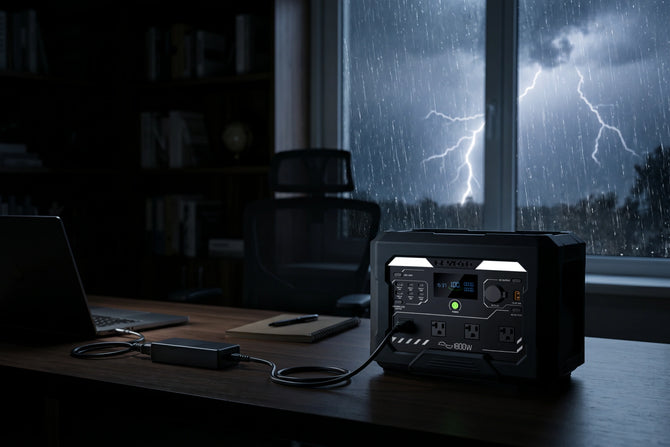




When an evacuation order is issued, most people focus on the obvious essentials: clothing, medications, important documents, food, and water. But there's another part of hurricane preparation that's easy to overlook until you're already on the road, keeping your electronics powered.
A dead phone can mean losing access to navigation, emergency weather alerts, hotel reservations, or the ability to contact family members. If traffic is backed up for hours or you're staying in a hotel or emergency shelter, finding an available outlet may not be as easy as you expect.
That's why having a hurricane evacuation power plan is just as important as packing your emergency supplies. This guide walks you through what to charge before leaving, which electronics to pack, how to prioritize power while traveling, and how a portable power station can help you stay connected throughout your evacuation.

Start Charging Before You Start Packing
One of the easiest mistakes to make is assuming you'll have enough time to charge everything at the last minute. Instead, begin charging your electronics several hours before you expect to leave or even the night before if an evacuation appears likely. Try to leave with every rechargeable device as close to a full battery as possible.
Your charging list should include; smartphones, tablets, laptops, smartwatches, rechargeable flashlights, weather radios, power banks, bluetooth headphones, camera batteries, rechargeable lanterns, CPAP batteries or other medical equipment (if applicable)
If multiple family members are traveling together, check that everyone's devices are fully charged before loading the car.
Pack the Right Charging Accessories
A fully charged phone won't help much if you forget its charging cable. Many evacuation destinations have limited outlets, so having the right accessories can make charging much easier.
Keep these accessories together in a small pouch so they're easy to find when you arrive.
Decide Which Devices Need Power First
During an evacuation, not every electronic device is equally important. If charging opportunities become limited, prioritize the equipment that helps you stay safe and informed.
1. Communication
Your phone should always be the highest priority. You'll likely use it for:
- Emergency alerts
- Family communication
- Hotel confirmations
- Calls and text messages
2. Medical Equipment
If anyone traveling with you relies on medical devices such as a CPAP machine, confirm the device's power requirements before departure and ensure you have an appropriate backup power solution.
3. Navigation
GPS navigation uses considerable battery power, especially during long drives. Download offline maps before leaving in case mobile service becomes unreliable.
4. Weather Information
A charged emergency radio or weather app helps you stay informed about changing conditions while traveling.
5. Lighting
Rechargeable flashlights and lanterns become especially useful if you arrive after dark or experience another outage at your destination.
6. Work and School Devices
If you're working remotely or your children need online access, keeping laptops and tablets charged can make temporary accommodations much more manageable.
Prepare for Long Traffic Delays
Major hurricane evacuations often mean slow-moving highways and unexpected delays. Even if your trip normally takes two hours, evacuation traffic can extend that journey significantly.
During that time, your family may be using:
- Navigation apps
- Music streaming
- Mobile hotspots
- Tablets for children
- Charging ports throughout the vehicle
These activities all consume power. Here are what you should do to conserve battery life;
- Enable Battery Saver or Low Power Mode.
- Reduce screen brightness.
- Close apps running in the background.
- Download maps before leaving.
- Limit video streaming while traveling.
- Charge devices whenever safe opportunities are available.
Small changes can noticeably extend battery life during a long evacuation.
Keep Essential Electronics Within Reach
It's tempting to pack everything neatly in the trunk. However, electronics you'll need during the trip should remain easily accessible. Keep these items inside the passenger area:
- Phones
- Charging cables
- Portable power station
- Flashlight
- Emergency radio
- Medical equipment
Searching through luggage during heavy rain or busy evacuation traffic is the last thing you'll want to do.
How Can a Portable Power Station Help During Evacuation?
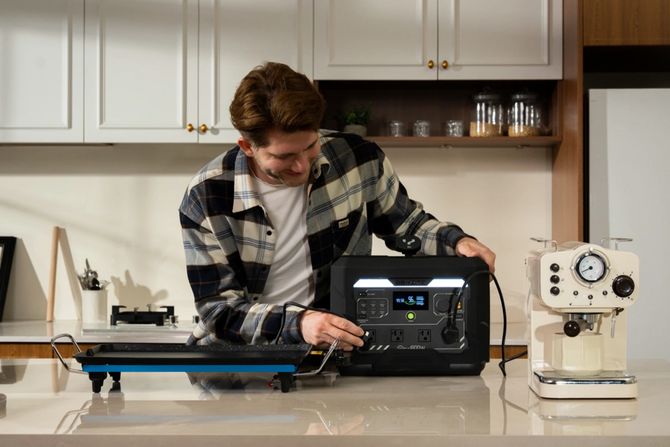
A portable power station gives you another charging option when wall outlets aren't immediately available. Depending on your destination, a portable power station can be useful in your vehicle during rest stops, vacation rentals, friends' or relatives' homes, emergency shelters (where permitted) and so on.
Instead of relying solely on vehicle charging or crowded wall outlets, you have a dedicated battery that can recharge multiple devices when needed. The right size depends on how many devices you're bringing and how long you expect to be away.
A Compact Option for Essential Electronics
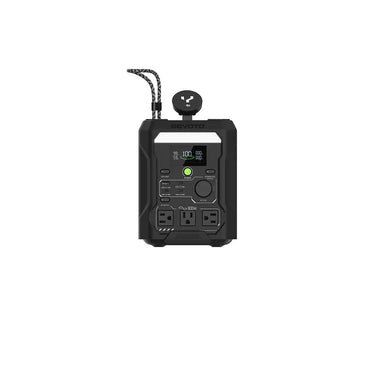
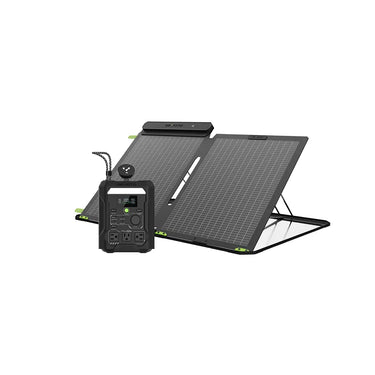
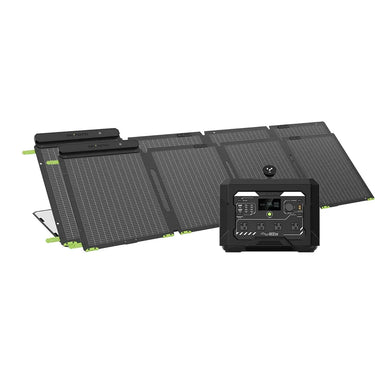
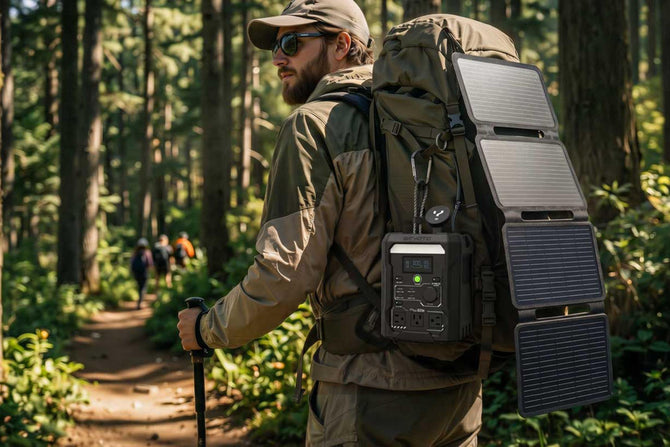
If your priority is keeping everyday electronics charged, the GEYOTO N300 Portable Power Station is designed with portability in mind. With a 256Wh LiFePO4 battery, 300W pure sine wave AC output, and 550W Constant Power, it's well suited for powering or charging smartphones, tablets, laptops, Wi-fi, LED lights, small fans, emergency radios, cameras and other small electronics.
Its compact design makes it a practical choice for travelers who want reliable backup power without carrying a larger unit.

Click the image to shop now
When a Larger Power Station Makes Sense
Families traveling with multiple devices or anyone expecting a longer evacuation may benefit from additional battery capacity.
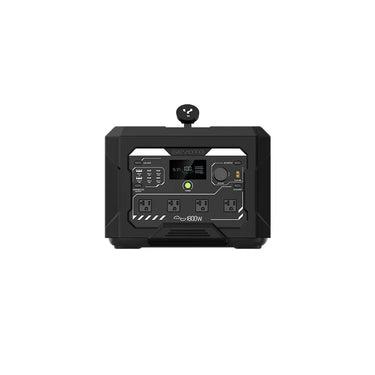
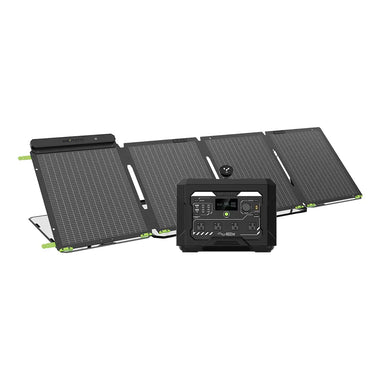
The GEYOTO N1000 Portable Power Station offers:
- 1,024Wh capacity
- 1,800W pure sine wave AC output
- 2,400W Constant Power
- 13 output ports
- LiFePO4 battery
- Up to 4,000 battery cycles
- UPS switching time under 10ms
- Approximately 43 minutes to recharge from 0% to 80% using supported wall charging
- Quiet, fuel-free operation
This larger capacity can help support combinations of phones, laptops, communication equipment, portable fans, LED lighting, and compatible medical devices such as certain CPAP machines after confirming their individual power requirements. The key is matching the power station to your expected usage rather than simply choosing the largest available model.

Recharging After You Evacuate
Once you've reached a safe location, there may be several ways to recharge your equipment.
Depending on where you're staying, you may be able to recharge using:
- Standard wall outlets
- Vehicle charging while driving
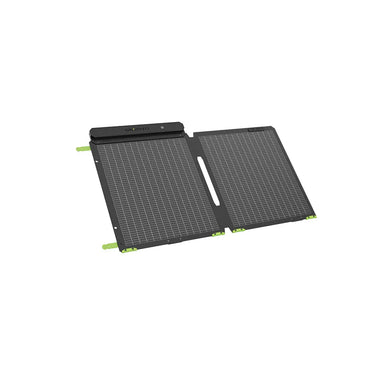
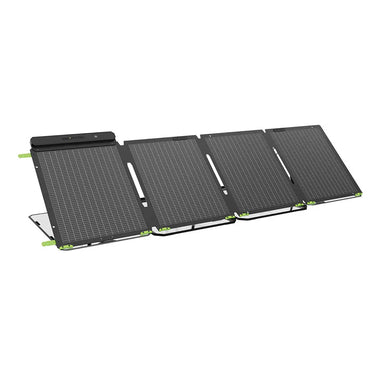
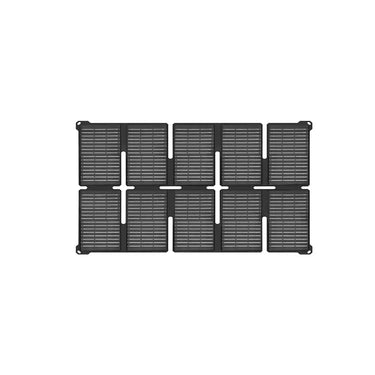
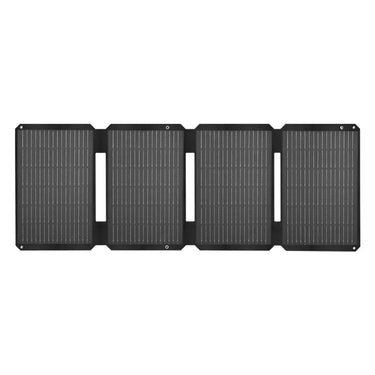
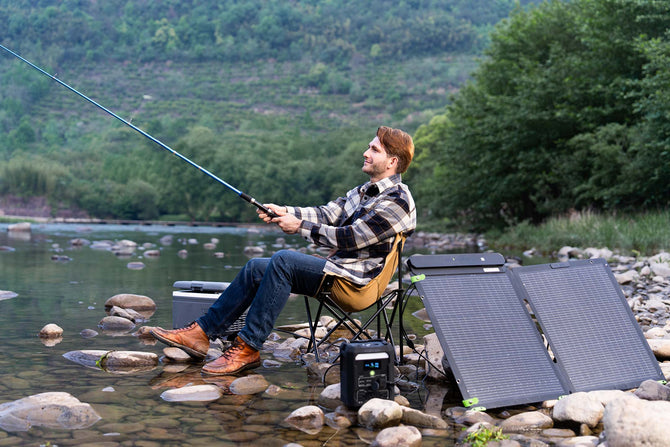
- Compatible portable solar panels
Solar charging can be especially useful if you're camping, staying in an RV, or experiencing an extended outage. However, it should only be used when weather conditions are safe, there is adequate sunlight, and local rules allow outdoor setup. Avoid setting up solar panels during high winds, heavy rain, or other dangerous storm conditions.
Travel Safely With Your Power Station
Portable power stations are designed for travel, but they should still be transported responsibly.
Before leaving:
- Secure the unit so it cannot slide during sudden braking.
- Avoid leaving it inside an extremely hot vehicle for extended periods.
- Keep it dry and away from floodwater.
- Make sure ventilation openings remain unobstructed.
- Never exceed the unit's rated output.
- Use compatible charging cables and adapters.
- Follow shelter or hotel rules regarding charging equipment.
- Never operate a fuel-burning generator inside a vehicle, hotel room, garage, or enclosed shelter.
A few simple precautions help ensure safe operation throughout your trip.
Stay Powered From Departure to Arrival
A hurricane evacuation often involves long drives, changing plans, and limited access to electricity. Preparing your electronics before you leave can make the trip smoother and help you stay connected when it matters most. Whether you're traveling alone or with family, a thoughtful power plan starts with fully charged devices, the right charging accessories, and realistic priorities for how you'll use your available power.
For travelers who mainly need to keep phones, laptops, and other small electronics running, a compact option like the GEYOTO N300 can provide convenient backup power. Families carrying more devices or preparing for longer evacuations may find the additional capacity of the GEYOTO N1000 better suited to their needs. The goal is to leave home knowing you have a reliable way to keep your essential devices powered throughout the journey.


