






What Should You Do Before a Hurricane Hits?

Click the image to shop now
Charge Everything Now
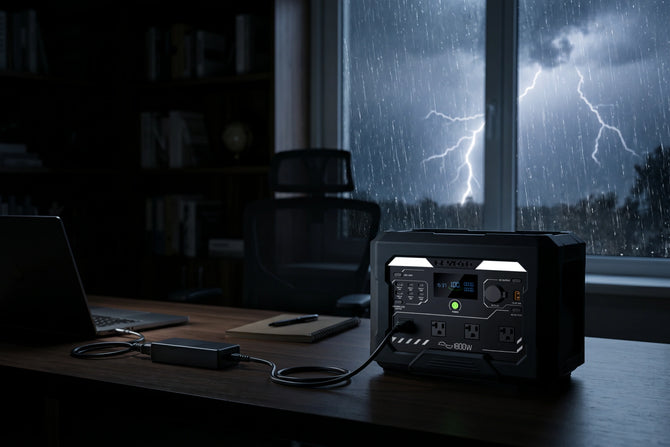
Start with your backup power station and charge it to 100%.
The GEYOTO N1000 charges from 0 to 80% in just 43 minutes and reaches a full charge in only 68 minutes. Even if you wait until authorities issue a storm watch, you still have enough time to charge it fully before landfall.
Once the power station hits 100%, work through every other device in your home:
- Phones, tablets, and smartwatches
- Laptops and portable battery banks
- Medical devices like CPAP machines, nebulizers, and oxygen concentrators
- USB-rechargeable lanterns and flashlights
Don't forget your car either. Fill the tank before the storm arrives because gas stations lose power too and lines form early.
Pre-Cool Your Food
Set your fridge and freezer to their coldest settings at least 24 to 48 hours before the storm hits. The colder everything starts, the longer it stays safe when the power cuts out.
Fill the freezer with frozen water bottles before the storm. They act as ice blocks and hold the temperature down much longer once things go dark.
A closed refrigerator holds its temperature for about 4 hours. A full, sealed freezer holds for roughly 48 hours. Pre-cooling buys you more of that buffer when you actually need it.
While you sort the food situation, also download offline maps to your phone and save key contacts and insurance documents locally. Don't count on cloud access when the grid goes down.
One critical safety point before we move on. Gas generators must never run indoors and must never run in a garage or near a window. Carbon monoxide kills silently. It builds up fast in enclosed spaces and there are no exceptions to this rule.
What Should You Power First During an Outage?
The instinct tells you to plug everything in at once, but that's the wrong move. Battery capacity runs out and how you use it in the first hour makes a big difference across the whole outage.

Think in three tiers and work your way down the list based on what you have available.
Tier 1 — Safety & Medical
These come first without question
- Medical devices including CPAP machines, oxygen concentrators, and nebulizers
- A weather radio or phone with NOAA alerts running
- One reliable LED light in your main living space
Tier 2 — Food & Communication
Handle these within the first couple of hours
- Your refrigerator, because the sooner you connect it the less temperature you lose
- Your WiFi router and modem, since this connection gives you weather updates and emergency communication
- Phone charging for every person in the household
Tier 3 — Comfort
Only if your capacity allows
- A small USB fan rather than a large floor fan, which draws far too much power
- Extra lights for other rooms in the house
- A laptop or tablet, especially if children stay home
- A TV if your battery level still looks strong
The principle is simple. Run what matters and unplug what doesn't. Rotating devices on and off rather than running everything at once stretches your battery much further. Think of it the same way you budget money. You only spend what you actually have.
How Long Will Your Fridge Run on Backup Power?
How to Keep WiFi and Phones Running
Is a Portable Power Station a Better Generator for Hurricane Season?
It depends on what you actually need to power and the answer isn't always one or the other.
Generator for Hurricane Season: Portable vs. Gas
Gas generators produce high, sustained wattage and can run central AC, well pumps, and multiple large appliances at the same time. For whole-home coverage with heavy loads, they carry a real advantage in raw output.
The trade-offs hit hard though. Gas generators push out deadly carbon monoxide fumes and you must run them outdoors only, never in a garage or near any window or vent. After a hurricane, fuel runs out fast and gas stations go dark too. They also run at 60 to 80 decibels or louder, which makes sleep and conversation difficult. When people weigh up their generator for power outage needs, those trade-offs often tip the decision toward a safer indoor option.

Why Go Fuel-Free
Portable power stations work completely differently. Units like the GEYOTO N1000 use LiFePO4 (Lithium Iron Phosphate) batteries, push out zero emissions, run silently, and stay completely safe for indoor use. No fuel, no fumes, no noise.
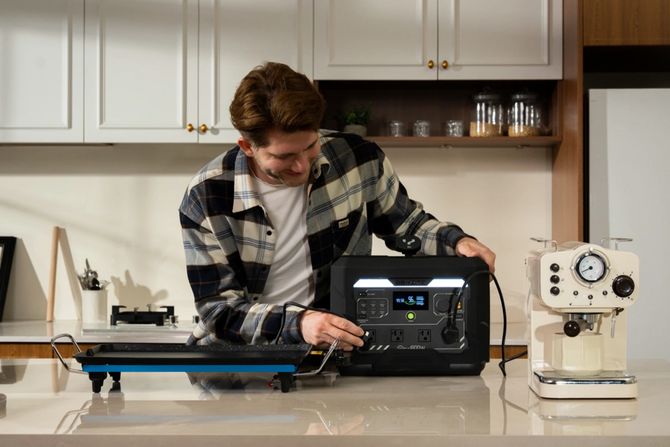
This makes them the go-to home emergency power backup for apartments, condos, rental homes, and anyone who can't safely run a gas generator outside. A portable power station for hurricane outages covers all your essential devices quietly and safely from inside your home.

Click the image to shop now
| Feature | Portable Power Station | Gas Generator |
|---|---|---|
| Indoor Safe | Yes | No |
| Carbon Monoxide Risk | None | High |
| Noise Level | Silent | 60 to 80+ dB |
| Fuel Required | No | Yes, hard to find post-storm |
| Recharge via Solar | Yes | No |
| Best For | Fridge, WiFi, phones, lights, CPAP | Central AC, well pumps, whole-home |
Which GEYOTO Backup Power Setup Is Right for You?
Two setups cover most households in hurricane-prone areas and choosing between them comes down to what you need to keep running.
 Shop the N1000
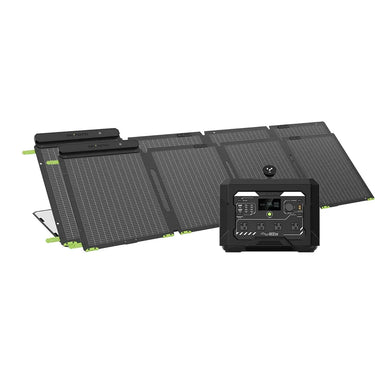
GEYOTO N1000 - 1024Wh
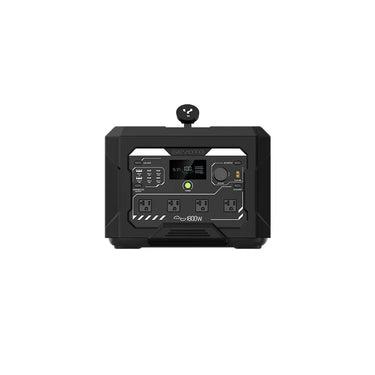
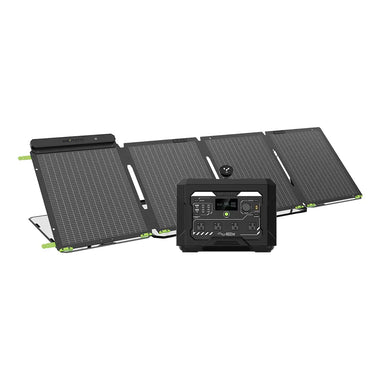
If you need to power a refrigerator, WiFi router, phones, lights, and a CPAP machine, the GEYOTO N1000 fits the job. It holds 1024Wh and delivers 1800W of continuous output with a 2400W constant mode and a 3000W P-Boost surge capacity for harder-starting devices. It charges from zero to full in just 68 minutes via a wall outlet.
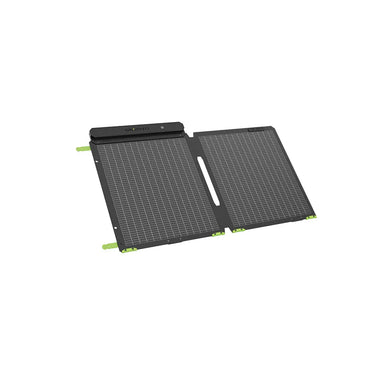
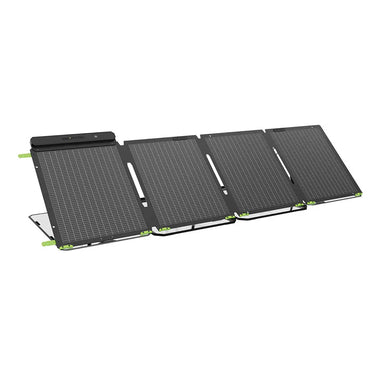
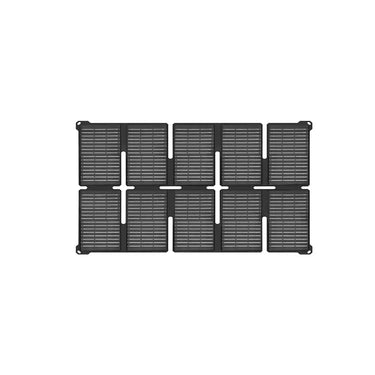
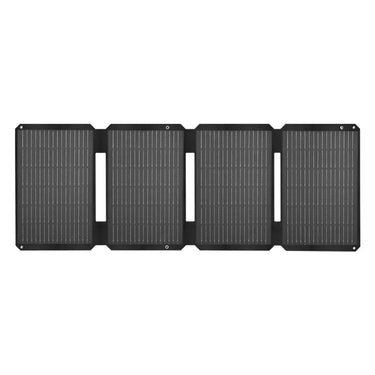
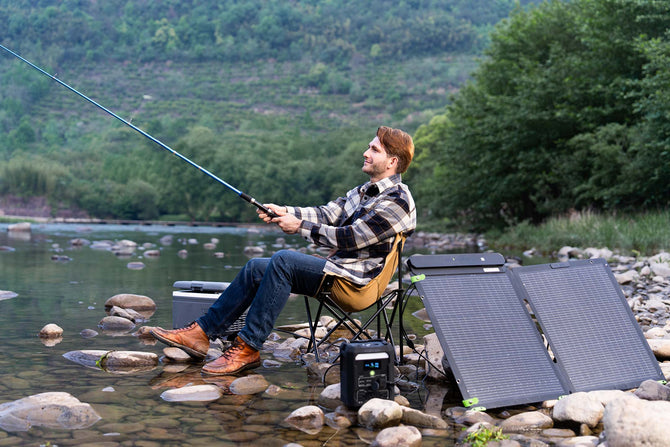
Pair it with a GEYOTO S200 solar panel and you start recharging from sunlight once the storm clears. That combination turns your setup into a true solar generator for hurricane season solution, giving you multi-day power coverage without depending on the grid at all.
 Shop the N300
GEYOTO N300 - 256Wh
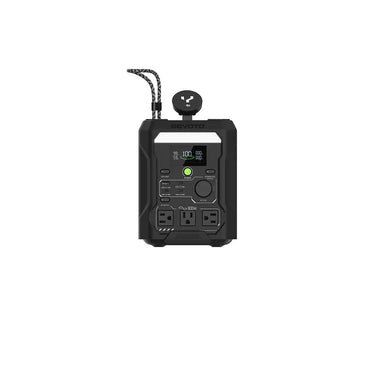
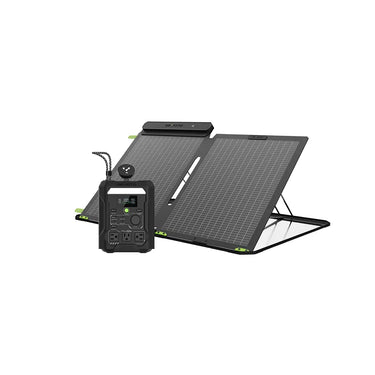
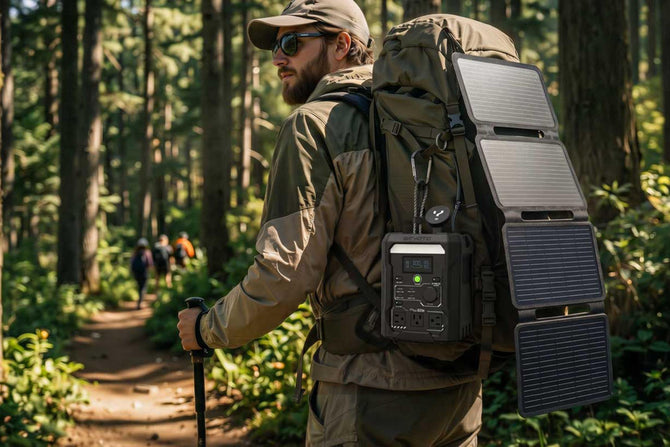
If you mainly need to keep phones charged, a router running, a laptop going, and some lights on during a shorter outage, the GEYOTO N300 at 256Wh and 300W output stays compact, lightweight, and charges fully in just 1.5 hours.
It covers backup power for hurricane season situations where your device list stays light. It won't run a full-size fridge but for communication, light, and device charging it handles the job well.
Both units run on LiFePO4 batteries, both carry UL indoor safety certification, both come with a 3-year warranty that extends to 5 years with member registration, and both include a built-in UPS with under 10ms switchover and a 25W wireless charging pad.
Conclusion
Hurricane season doesn't wait and neither should your preparation. The households that come through long outages with the least stress sort their backup power before a single storm warning appears on the forecast.
Know your devices, check their wattages, and decide honestly what truly needs to stay on versus what can wait. Charge your backup power station fully before the season peaks. Pre-cool your food, freeze your water bottles, and keep a solar panel ready to start collecting sunlight the moment the skies clear after the storm.
The right generator for hurricane season isn't necessarily the biggest or most powerful one. It's the one that safely covers your essentials, keeps your household connected and fed, and does it all without fumes, noise, or a trip to a sold-out gas station.
Explore GEYOTO portable power stations and solar generator kits before this season's first named storm forms. The best time to prepare always comes before you need to.


