

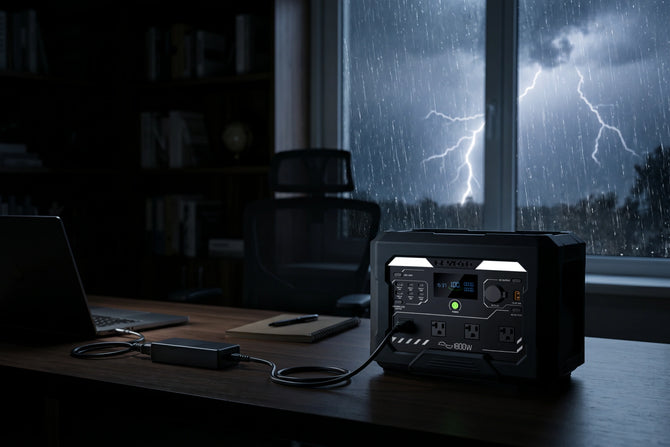




Hurricane season is a testing time for a large portion of the population. Power loss preparation is different across the country. Private homes with personal yards have the space to store backup equipment. Apartments and condos typically lack space and are subject to building restrictions. High-rise buildings also have safety restrictions, making traditional generators unfeasible.
Multi-family homes face a different challenge. Once power is lost, the goal is not to fully power the home, but rather to keep devices connected until the utility is restored to service. Hurricanes are a major factor in power outages, hence having a backup plan to charge mobile phones, laptops, power WiFi routers, small fans, and run a CPAP for the night is crucial. For smooth running and power, a portable power station is the most appropriate choice.
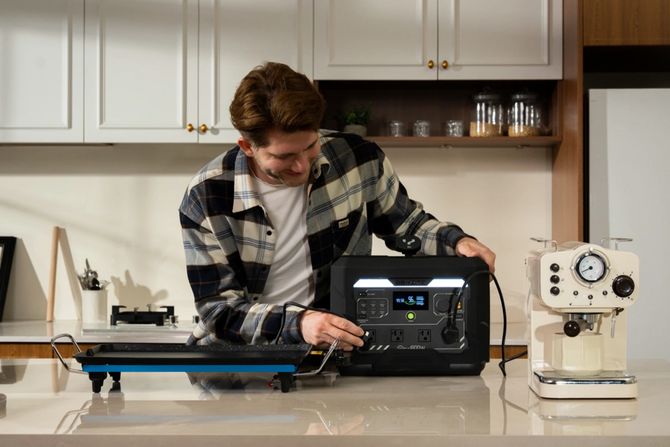
Unlike traditional generators, portable power stations can be used indoors in an apartment, as they run on no fuel, produce no exhaust, and run without the noise of a traditional generator provided all instructions are followed.

Click the image to shop now
Hurricane Preparation in An Apartment vs A Home
Hurricane preparation in an apartment involves challenges not faced by single-family homes. Distance and space restrictions, as well as shared walls, elevators, and regulations all affect what backup solutions can be used.
Many apartments even fully prohibit the storage of fuels. In many situations, a gasoline generator cannot be stored, and even if there are no restrictions, there is no safe way to operate one.
Gas generators should never be used in any indoor location or in a location adjacent to your home. Gas generators can pose serious health barriers such as carbon monoxide buildup, in your home. For a situation like this, consider portable solutions that prioritize safety for residents and help assist important needs.
Focus on Essential Power, Not Every Appliance
One of the common misconceptions made by residents who live in apartments during hurricanes is that generators need to have the ability to power every appliance. The opposite is true.
Hurricane prep and the need for backup power should be prioritized by determining which devices and appliances are important. For an apartment, a portable power solution can power your devices and keep them working while there is a power outage.
They can power;
- phones and tablets
- Routers
- LED Light Bulbs
- Laptops
- Small Appliances (Fans, etc)
- CPAP Machines
- Medical Devices
- Refrigerators (considered to be a critical need by some)
The appliances that should be considered the most essential during a power outage should be the top backup power priority.
Keep Communication Devices Powered
Smartphones become critical devices during a weather emergency. They alert users to weather updates, serve as a means of contact with family, provide navigation, and have insurance information. All of which require that a smartphone maintain battery power.
A portable power station means you can charge your phones multiple times after the storm without having to sit in your car or look for a public charging station.
If you can still connect to the internet, you can power the Wi-Fi router to continue to receive updates, instructions, and information, as well as to continue to participate in virtual work and classes and to use communication apps.
Extended Power Outages Become More Manageable with Better Lighting
After the sun goes down, navigating the dark can be dangerous. Rechargeable LED lights can be used to light up the rooms, veranda, and hallway, while using less power than typical lights.
For a longer-term power cutout, rechargeable power stations are recommended over the battery ones.
Remain Comfortable During Hot Weather
Hurricanes often occur in the summer period. After the power goes out after the storm, it can be days before power is restored.
While a portable power station cannot be used to run the A/C, a small energy-efficient power station can be used to run a small fan to help cool down the apartment during the hot summer nights.
This is especially true of apartments where the windows are sealed shut and can not be opened.
Run Your Medical Equipment
Some people have medical equipment that needs power, and it can not wait for the power company to come back online.
A CPAP machine is a great example. Depending on how the machine is set and how much power it needs, a portable power station can operate the machine for a night.
If your household relies on medical equipment, verify the power needs of the equipment before hurricane season. Talk to your manufacturer or healthcare provider about backup methods to supplement power.
Limited Refrigerator and Medication Cooling
Hurricanes can create a loss of power for days. People worry about losing food and medications.
Do not consider portable power stations as backup systems for all appliances in your home. Power stations that can power appliances with larger power draws, may be enough to power a medication cooler or a refrigerator.
Why Portable Power Stations Fit Apartment Living
The power stations have portable, rechargeable power supplies. Because of this, there are some distinct advantages for people living in smaller spaces when compared to older forms of backup power systems that rely on combustion power supplies.
No Gas
Power stations are easily recharged and do not need to have fuel supplies stored in the living space or be refueled when severe weather is predicted.
No Fumes
Power stations do not combust while in use, so there is no risk of forming a dangerous gas while the system is in use. Because of this, they may be used inside homes during emergencies as long as the manufacturer's guidelines are followed.
No Noise
While living in an apartment, noise comes from the neighbors, etc. To keep the peace, a portable power station is a better choice than a fuel-powered generator because they allow you to charge your phone LEDs, and power a router and even a piece of medical equipment.

Click the image to shop now
Choosing the Right GEYOTO Portable Power Station
Choosing the right GEYOTO portable power station also depends on your family's emergency needs.
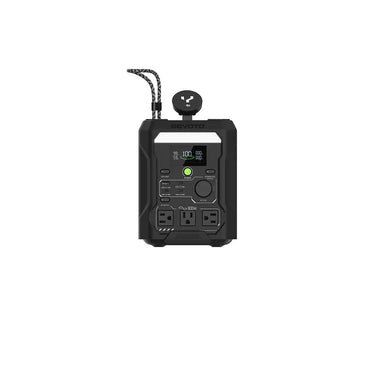
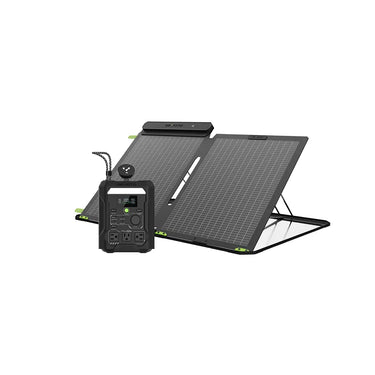
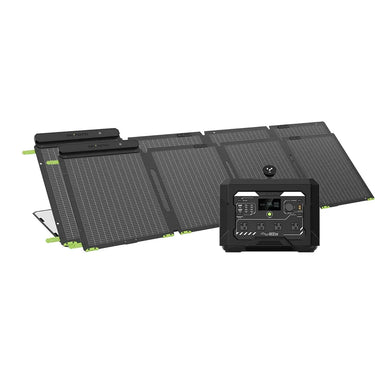
The GEYOTO N300 has a 256Wh battery and a 300W battery. Because of this, it is a good choice to charge smartphones, tablets, Wi-Fi, LEDs, small cameras, and other small electronics. Because of its small size, it is also a great backup power source for individuals and students living in apartments, as they have limited storage space for emergency supplies.

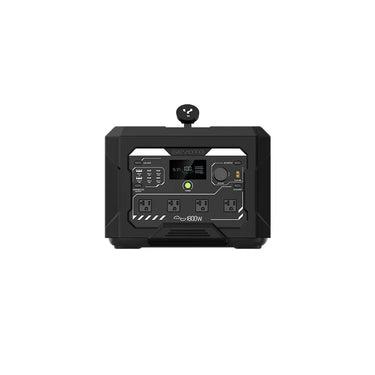
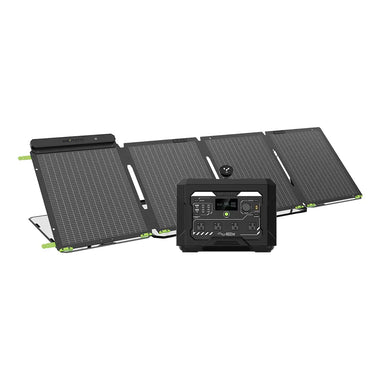
For bigger power needs, GEYOTO N1000 has a 1024Wh battery with a 1800W battery, and is a good choice for laptops, small fans, communication gear, CPAP machines, and for limited use, a small refrigerator for cooling medication or other time-tested needs.
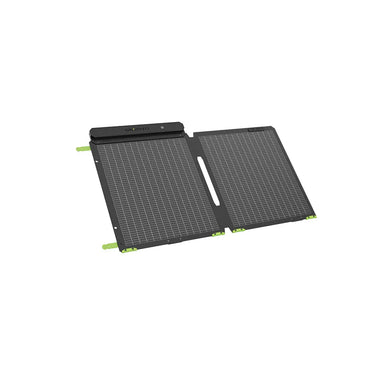
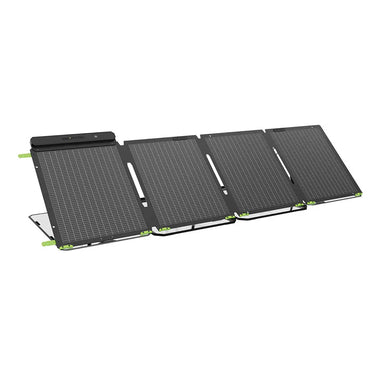
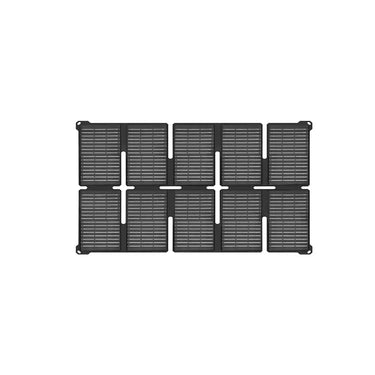
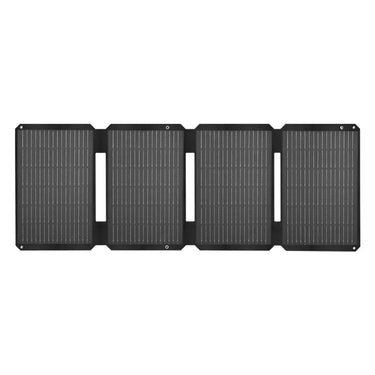
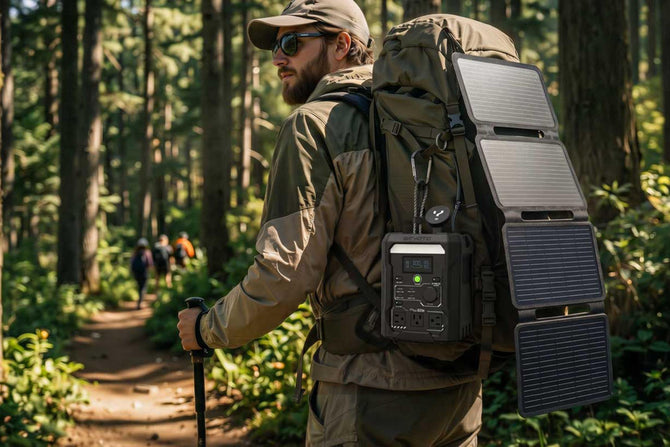
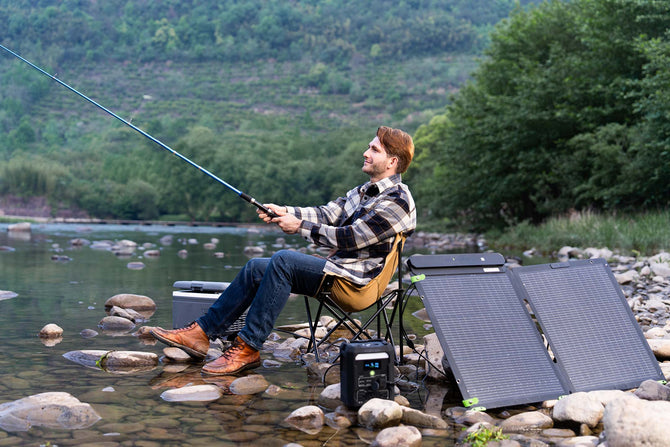
Both models have AC charging with the option to use a solar charger or use the charger in your vehicle.

Build Your Hurricane Backup Plan Before the Storm
It is crucial to set up your Hurricane Backup Plan before the storm emerges. Preparing before a hurricane arrives is considered reliable.
An apartment emergency kit should have:
- A portable power station that is fully charged
- Charging cables for important devices
- LED lights that can be recharged
- Flashlights
- Bottled water
- Shelf-stable food
- Prescription medication
- Battery-operated weather radio
This will help you remain calm while staying put during storm occurrences or emergencies.
Final Thoughts
Hurricane season means apartment residents have to think about special problems, but planning for safe emergency power does not involve gas, complicated installations, or excess noise.
Renters and condo owners can increase their emergency preparedness and power systems with portable power stations. Portable power stations allow you to keep power for your devices while remaining safe during the hurricane season Portable power stations, like the compact GEYOTO N300 or the more flexible GEYOTO N1000, can be used to power lighting, communication devices, and other electronics.


