

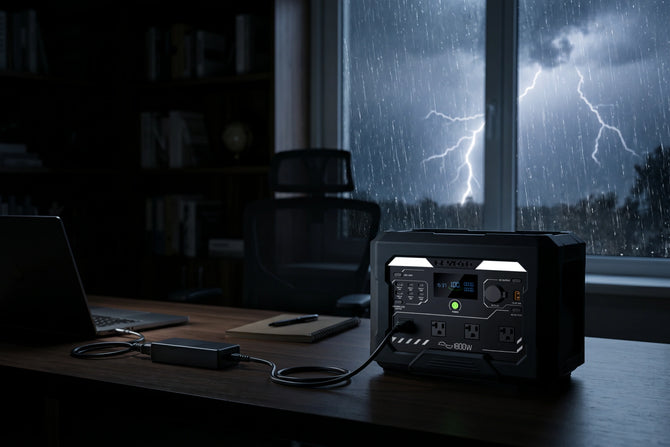




Flooding and other physical forces can affect the daily lives of community members due to power outages. Disasters can arrive at any time or moment during day or night. These disruptions to electrical supply, fuel supply, and pharmacy service can last several days. While personal communication networks may be available, public communications networks are typically slow or are completely disabled.
For these reasons, every household should stock a 72-Hour Emergency Kit. It is recommended that food and water be included, along with a variety of other necessities. Emergency preparedness has evolved to include important daily items like first-aid kits and cell phone chargers.
This guide provides various examples of a 72-Hour Emergency Kit for families, renters, students, seniors, caregivers, and pet owners.

Click the image to shop now
Why the First 72 Hours Matter
Standard emergency protocols, during the first 72 hours, focus on the most life-threatening situations. Access to services that are normally taken for granted may be delayed. During that time, you should expect that you will not have access to:
- Working electric power
- Clean water
- Pharmacies and stores
- Gas stations
- Cell service
- Emergency responders
Preparation for the first three days of an emergency goes a long way to helping a household be self-sufficient for that time. Water and medical needs are the two most essential emergency items.
Water: The Essential Need
Water should always be at the top of the list of emergency supplies.
An emergency supply often includes one gallon of water for 24 hours or 72 hours per person. This means three gallons of water per person and twelve gallons for a four-member household. List the following people when considering your water supply.
- Infants
- Elderly
- Pregnant Women
- Sick People
- Pets
- People that Live in warm climates
Replenish bottled water annually, and while the water is in storage, keep it in a cool environment.
Non-Perishable Food
Think about foods that will be easy to eat if you are unable to cook. Some examples of good foods to have stored are:
- Canned Vegetables
- Canned Soup
- Canned Beans
- Peanut Butter
- Protein Bars
- Trail Mix
- Dried Fruit
- Crackers
- Shelf-Stable Milk
- Tuna or Canned Chicken
There are many other options, but also be sure to include a manual can opener, and other eating utensils if needed. You should regularly check storage so food is not wasted.
Reliable Lighting
Since power shortage can occur when the sun is gone, be sure to include reliable lighting in your emergency kit.
Consider including:
- LED Flashlights
- Headlamps
- Batteries
- LED Lanterns
Battery-powered or rechargeable lights paired with a Portable Power Station are great options. Lighting a candle will only be an option if you have no other choice, since that is an emergency fire risk.
Communication and Information
Keeping updated is essential in an emergency. Some things you should carry are a battery-powered or rechargeable weather radio with good backup battery supplies, your printed emergency contacts, local maps, and any additional supplies you think necessary. Radios can receive emergency news even when cell-phone service is not available.
First Aid Supplies and Medications
First aid supplies belong on every emergency supplies checklist.
Your kit must include:
- Bandages
- Tape
- Ointment
- Pain meds
- Thermometer
- Tweezers
- Gloves
- Medications
- Glasses
- Vital Records
Keep copies of necessary documents in a safe binder.
Include:
- ID
- Insurance
- Medical records
- Prescriptions
- Contacts
- Property records
- Bank records
- Hygiene Supplies
Good hygiene will become harder to maintain as the outage drags on.
Supplies to include:
- Toilet paper
- Wipes
- Hand sanitizer
- Soap
- Toothbrushes
- Toothpaste
- Trash bags
- Paper towels
- Face masks
Having these supplies on hand helps lift people's spirits and decreases the chances of illness.
Seasonally Appropriate Clothing and Shelter Items
Having the supplies on hand for the clothing and shelter needs of everyone during an emergency will help keep everyone more comfortable.
These supplies can be packed in your kit:
- Socks
- Rain gear
- Blankets
- Sleeping bags
- Thermal Blankets
- Shoes
- Gloves
- Clothing Layers
Don't Forget Your Pets!
You need to also include emergency supplies for pets so they also will have the comforts of home and a reduced level of stress during an emergency.
Pack the following supplies:
- Pet Food
- Pet Water
- Bowls
- Medications
- Carrier
- Waste Bags
- Vaccination Records
- Toys
Why You Should Include a Backup Power Supply in Your Emergency Kit
Backup power supply units and batteries belong on every emergency kit checklist.
Consider all of the daily comforts and conveniences of modern life and all of the things we have come to depend on the power grid for.
These items become useless without power:
- Phones
- Internet
- Medical Devices
- Lights
- Laptops
- Cameras
- Rechargeable Radios
- Emergency Supplies
Although gasoline generators come to mind, they should not be used indoors because they produce lethal carbon monoxide. They also bring the burdens of fuel storage, maintenance, and heavy noise.
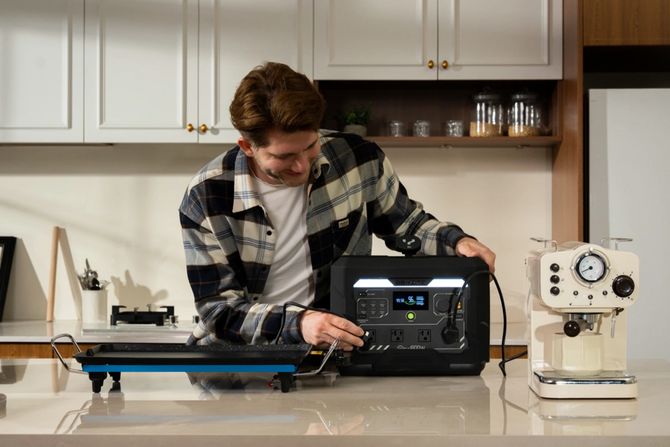
The portable power station is more ideal for households. This safer option allows us to have backup power indoors. Since portable power stations do not produce exhaust, they do not have that concern and can be used indoors based on the manufacturer’s recommendations.
Choosing the Right Portable Power Station for Emergency Preparedness
The right portable power station for emergency kits greatly varies based on the household.
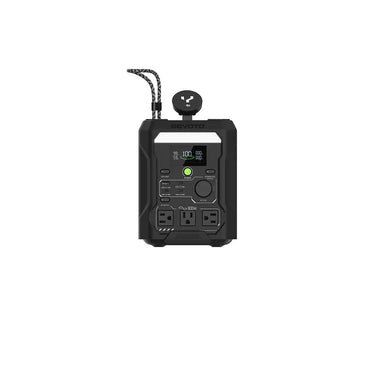
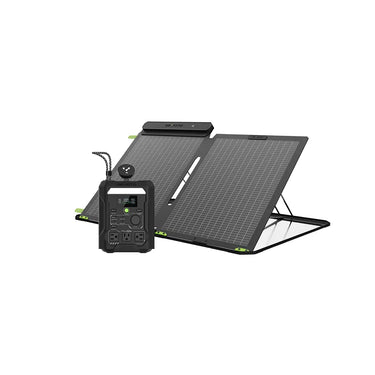
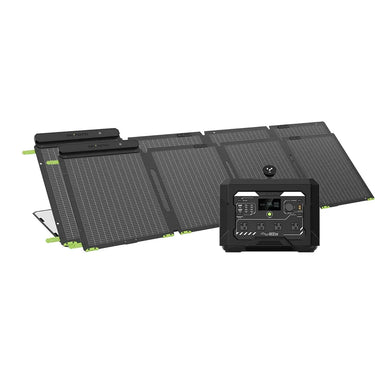
For the light emergency kits of individuals, students, renters, etc. the GEYOTO N300 at 256Wh and 300W is a great option. It will fully recharge your phone multiple times, power lights, maintain a charge for cameras and routers, and run a work laptop.

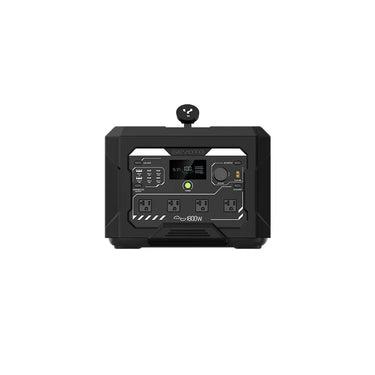
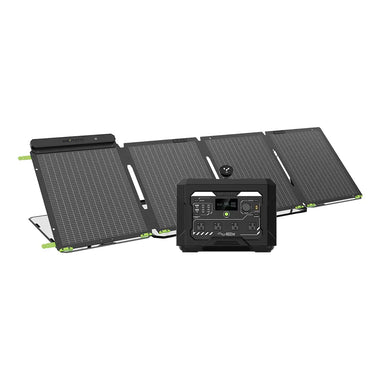
For families and longer outages, the GEYOTO N1000 with a 1024Wh and 1800W AC output and 13 ports to power multiple devices at once is a great option. It also varies in run time based on what devices are plugged in and supports laptops, phones, lights, routers, a CPAP, a small fan, and a range of other important electronics. It features a LiFePO₄ (LFP) battery that can fast-charge to 80% in less than an hour.
Whereas, a complete home generator power requires a big amount of investment. Portable power stations are less costly, while keeping you connected to the power system, and keeping the lights on.

Put-to-Place vs Evacuation
While they may differ, Your 72 hours emergency kit can be applied to both situations. If You Stay Home, you want to have enough of the following supplies on hand to last for at least 3 days:
- Water
- Food
- Backup lighting supplies
- A portable power station
- A weather radio
- A first aid kit
- Medications
- Sanitation supplies
If you need to evacuate, the portable emergency kit is most effective.
Which Supplies go First?
- An ID
- Water
- Food
- Medications
- Phone chargers
- A Compact Portable Power Station
- A Flashlight
- A Small First Aid Kit
- Pet supplies
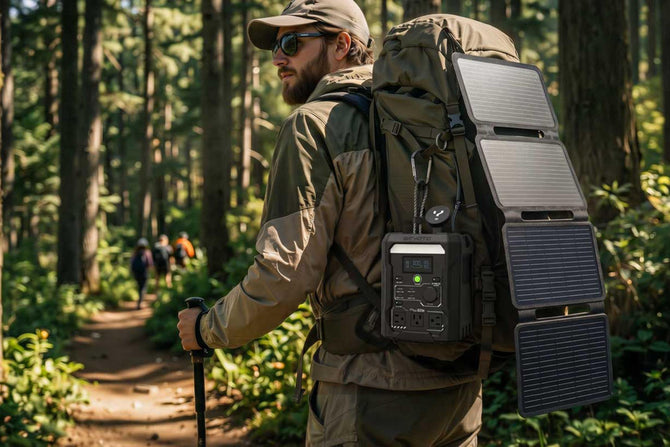
- A backpack storage for a portable emergency kit.
Update Your Supplies Frequently
Have you set your emergency kit and forgotten it? Updating your supplies regularly makes them more effective.
What to do every 6-12 months?
- Remove expired foods
- New bottled water
- Recharge Portable Power Stations
- Replace the first aid kit supplies and check the plastic covers
- Check and replace batteries
- Check contact lists
- Updated kits mean you are less likely to need them.
Final Thoughts
A thoughtfully made 72 Hour Emergency Kit is much more than food and bottled water. Currently, many emergencies include long-lasting power outages affecting communication, remote work, medical devices, and accessing information.
For the critical first three days after a disaster, a combination of food and water, first aid supplies and hygiene items, important documents, and a backup power for emergencies will provide more protection to you and your loved ones.


